
The Non‑surgical Procedures and Functions of Medical Reviewers (Scotland) Bill has been passed by the Scottish Parliament, introducing landmark protections for public safety in the cosmetic treatments industry.
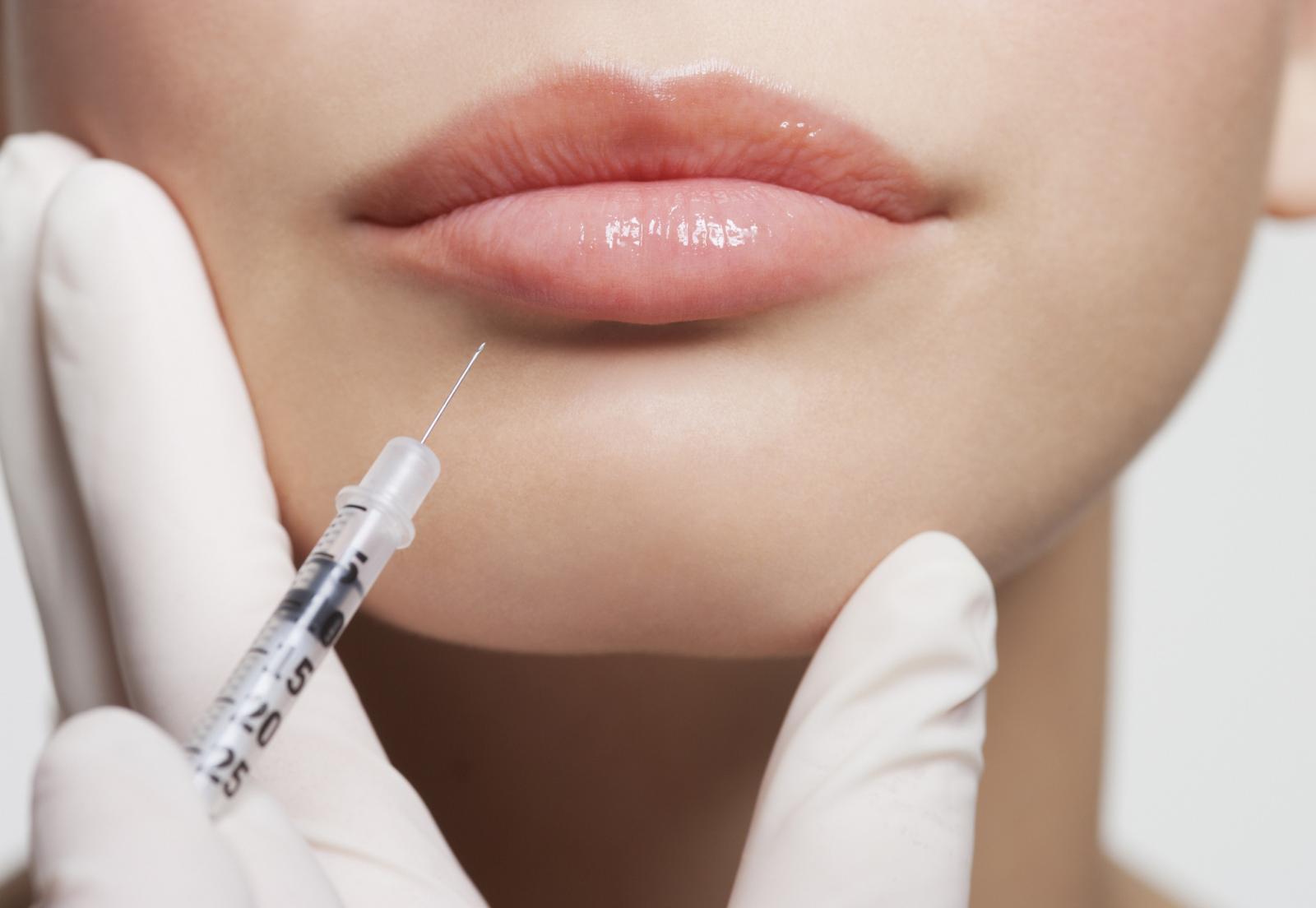
The legislation delivers long‑called‑for regulation of high‑risk non‑surgical procedures such as Botox injections, dermal fillers and similar aesthetic treatments.
Under the new law, high‑risk procedures must be carried out by, or under the supervision of, designated healthcare professionals and only within registered, regulated premises. The Scottish Government says the reforms will bring long‑overdue consistency and accountability to an industry currently marked by significant variation in standards.
The Bill also makes it illegal for under‑18s to receive non‑surgical cosmetic procedures, strengthening safeguarding for children and young people. Ministers say this measure is crucial to addressing pressures created by social media, unrealistic beauty standards and the rising number of young people seeking cosmetic treatments.
Healthcare Improvement Scotland will receive new powers to inspect premises where there are reasonable grounds to believe an offence is taking place. This will enable regulators to intervene swiftly where unsafe practices are suspected, helping to prevent harm before it occurs.
The Scottish Government has committed to working with clinics, salons and practitioners to support a smooth transition to the new regulatory model. Businesses will have until at least September 2027 to meet the new requirements, providing time to adjust operations, train staff and upgrade facilities where necessary.
Ministers say the transition period ensures that reputable providers can continue operating while bringing the entire sector up to a clear, enforceable safety standard.
Scottish Public Health Minister Jenni Minto said:
"Non-surgical cosmetic procedures are increasingly popular, and when not carried out safely they can cause serious and lasting harm.
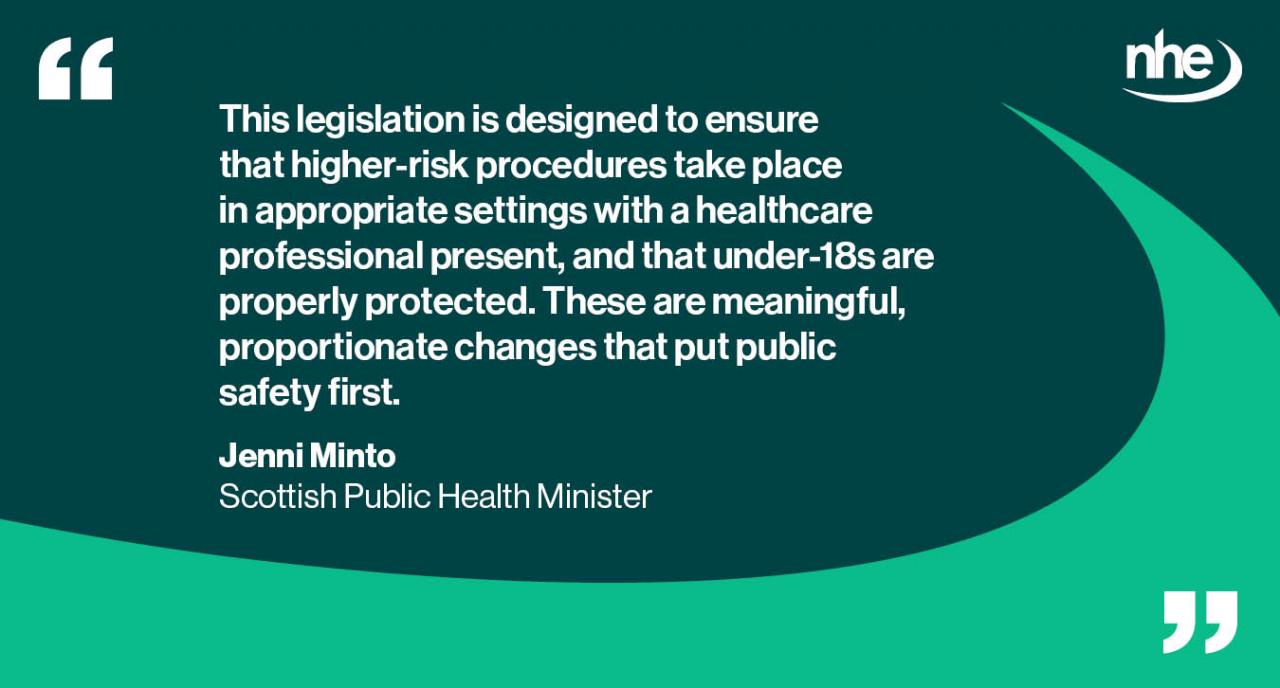
“This legislation is designed to ensure that higher-risk procedures take place in appropriate settings with a healthcare professional present, and that under-18s are properly protected. These are meaningful, proportionate changes that put public safety first.
“I also recognise the importance of ensuring businesses are supported to adapt to new requirements and we have listened closely to the sector. The offences in the Bill cannot come into force before September 2027 giving an extended period of time for businesses to respond to these changes. The Bill is designed to be responsive to changes in the industry, and the procedures will be kept under review to ensure the list remains effective and proportionate.
"I am incredibly grateful to everyone who campaigned so passionately on this issue - their determination has helped shape stronger legislation. I am also grateful to colleagues across the Parliament who worked together constructively to pass this Bill.”
With demand for cosmetic enhancements growing and increasing reports of complications from poorly regulated treatment settings, the Bill marks one of Scotland’s most significant interventions in aesthetic safety to date. By ensuring higher‑risk procedures are only performed by trained experts in controlled environments, the legislation aims to reduce preventable harm and increase confidence in an industry that has, until now, lacked robust oversight.
Image credit: iStock