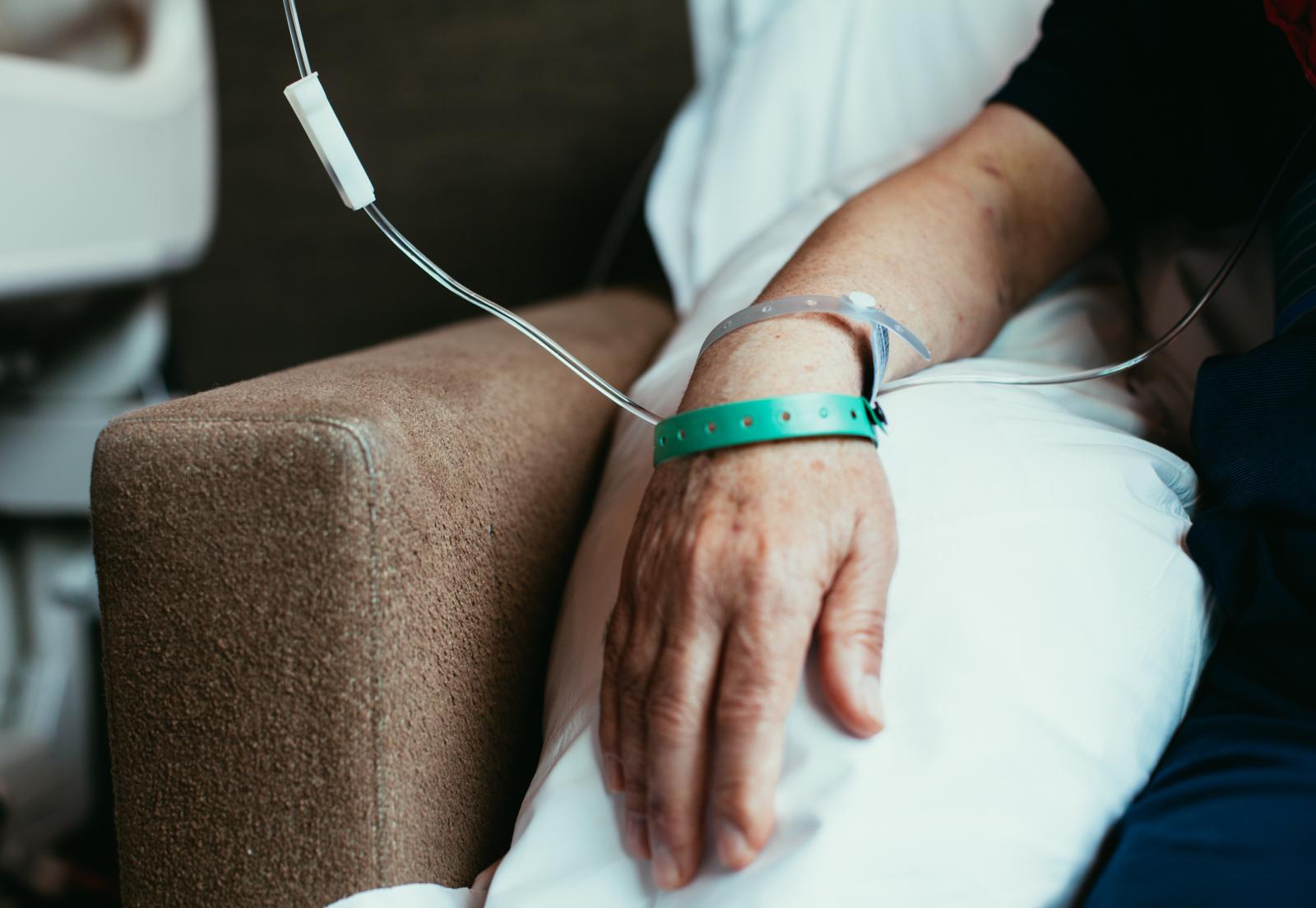

Patients across England will receive faster diagnosis, quicker treatment and better long‑term support under the government’s landmark new National Cancer Plan, which sets out the most ambitious cancer survival targets in NHS history.
For the first time, the NHS will commit to ensuring that three in four people diagnosed with cancer from 2035 onwards are cancer‑free or living well five years after diagnosis. Ministers say this represents the fastest improvement in cancer outcomes this century and is expected to save 320,000 lives over the lifetime of the plan.
While more people survive cancer than ever before, progress has slowed over the last decade. The NHS has not met its central cancer performance target of 85% of patients starting treatment within 62 days of referral since 2014, and survival rates for some cancers lag behind countries including Australia, Denmark, Romania and Poland.
Currently, around 60% of patients survive for five years or more, with 2.4 million people living after a cancer diagnosis. The government says the new plan will accelerate improvement and close the gap with leading international health systems.
By March 2029, the NHS will meet all three cancer waiting‑time standards, ensuring hundreds of thousands more patients receive timely diagnosis and treatment.
Health Secretary Wes Streeting said:
“Cancer survival shouldn’t come down to who won the lottery of life. But cancer is more likely to be a death sentence in Britain than other countries around the world.
“As a cancer survivor who owes my life to the NHS, I owe it to future patients to make sure they receive the same outstanding care I did.
“Thanks to the revolution in medical science and technology, we have the opportunity to transform the life chances of cancer patients. Our cancer plan will invest in and modernise the NHS, so that opportunity can be seized and our ambitions realised.
“This plan will slash waits, invest in cutting-edge technology, and give every patient the best possible chance of beating cancer.”
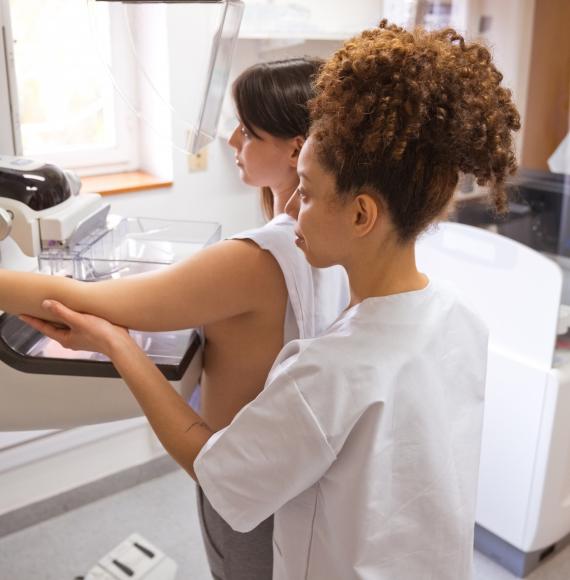
Central to the plan is a £2.3 billion investment in diagnostics, delivering 9.5 million additional tests by 2029. This will include:
- More scanners and diagnostic equipment
- Expanded use of digital and automated testing
- Community Diagnostic Centres operating up to 12 hours a day, seven days a week, bringing tests closer to where people live
Since July last year, the NHS has already diagnosed or ruled out cancer on time for an additional 213,000 cases, and 170 community diagnostic centres are now open, with more than 100 of them offering evening and weekend appointments.
The National Cancer Plan also sets out major reforms to how cancer is treated:
- Robot‑assisted surgery will expand from 70,000 procedures a year to 500,000 by 2035, reducing complications and freeing up hospital beds.
- Specialist cancer centres will review and treat more patients with rarer cancers, bringing together expert teams to agree the best treatment plans.
- Genomic testing will be offered to every patient who could benefit, helping doctors tailor treatments based on the DNA of each person’s cancer.
- Smarter waiting lists, using new technology to offer patients the earliest available test appointments across NHS providers in their area.
The government has also announced a new AI pilot to detect hard‑to‑reach lung cancers earlier and with fewer invasive tests, and a new employer partnership to support England’s 830,000 working‑age cancer patients to remain in work during and after treatment, improving wellbeing and financial security.
Professor Peter Johnson, NHS National Clinical Director for Cancer, also commented:
“Almost everyone will know someone who has been affected by cancer – a friend, a partner, a parent or a child – and for many people it will be part of their own story too.
“This plan sets a clear roadmap for the NHS to diagnose more cancers earlier, ensure more patients are treated on time and improve survival, so that hundreds of thousands more people live longer, healthier lives with or after cancer over the next decade.
“This is alongside delivering the latest breakthroughs in cancer treatment and care to every corner of the country, improving access to pioneering trials and ensuring there is wraparound support for people closer to home.
“The National Cancer Plan will see the NHS deliver world-class cancer care, offering renewed hope for millions and ensuring the health service is there for patients whenever they need it.”
Alongside improvements in care, the government is taking action on prevention, including a ban on smoking and a ban on junk food advertising before 9pm. These measures aim to reduce future cancer incidence and ease long‑term pressure on the NHS.
By combining record investment, new technology and system‑wide reform, ministers say the plan will rebuild cancer services and deliver better outcomes for patients across England.
Image credit: iStock