

A major international clinical trial is underway to help people with Type 1 diabetes regain crucial warning signs of dangerously low blood sugar levels.
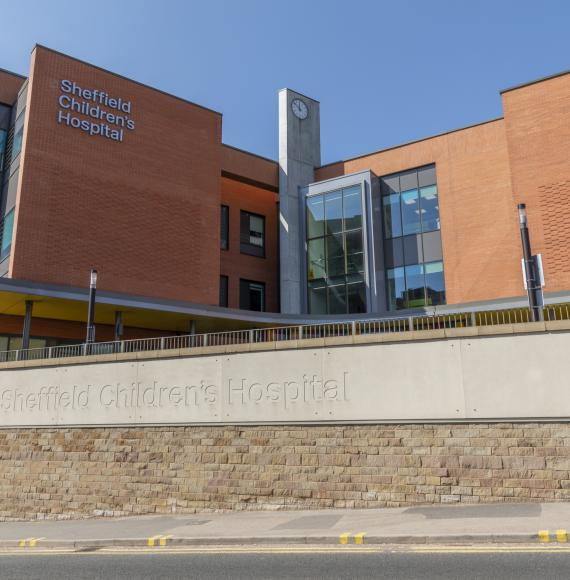
The study, led in the UK by Sheffield Teaching Hospitals NHS Foundation Trust in collaboration with the University of Sheffield, University of Leicester and University Hospitals of Leicester NHS Trust, is part of a multinational programme funded by the US National Institutes of Health.
Known as the CLEAR (Closed Loop and Education for Hypoglycaemia Awareness) trial, the research will compare three cutting-edge approaches to restoring the body’s natural ability to detect low blood glucose levels.
These include:
- An ‘artificial pancreas’ system that continuously monitors glucose and automatically adjusts insulin delivery
- Two specialist education programmes – MyHypoCOMPaSS and HARPdoc – designed to help patients recognise subtle symptoms and better manage their condition
The trial aims to identify which approach is most effective in restoring awareness and preventing severe hypoglycaemic episodes.
For people living with Type 1 diabetes, recognising early warning signs, such as shaking or sweating, is critical to avoiding life-threatening complications.
However, around one in four patients experience impaired awareness of hypoglycaemia, meaning these vital symptoms fade over time. This significantly increases the risk of severe episodes, which can lead to unconsciousness, seizures or even death.
Researchers say that even with modern glucose monitoring technology, restoring this natural “alarm system” remains essential.
The trial is being led by Professor Simon Heller from the Sheffield Diabetes Centre and Professor Pratik Choudhary from Leicester Diabetes Centre. Research sites span the UK, the United States and Australia, reflecting the global importance of improving diabetes care.
Professor Heller, International Consortium Co-lead and Honorary Consultant Physician at Sheffield Teaching Hospitals NHS FT, commented:
“A quarter of people living with type 1 diabetes experience a delay or inability to perceive the initial warning signs of hypoglycaemia. This has huge consequences, both on patients and the wider community, with patients describing imposed changes to their lives such as leaving employment, stopping hobbies they enjoy and spending more time at home or being supervised by others. Rates of anxiety, depression and distress from diabetes are higher. Fear of having a hypo can also lead to people running their glucose levels higher leading to higher chances of having other diabetes-related complications.”
Within the UK, Sheffield will coordinate recruitment and treatment for participants in the north, while Leicester will oversee those in the south. Additional support for the educational programmes will be delivered in Newcastle and at King’s College Hospital.
After the first year, researchers will assess how effectively each intervention restores hypoglycaemia awareness. Participants will then have the option to try an additional treatment in the second year.
Image credit: iStock