
Patients across England are set to benefit from faster and more convenient access to tests, checks and scans, following a £237 million government investment to create 36 new and expanded Community Diagnostic Centres.
The funding will significantly increase NHS diagnostic capacity and help deliver more care in local community settings, reducing hospital visits and speeding up diagnosis.
The investment forms part of the government’s wider £26 billion a year funding increase for the NHS, which has already helped drive record levels of diagnostic activity.
Last year, the NHS in England carried out a record 29 million tests and scans, reflecting sustained investment in modernising diagnostic services. In 2025, almost 30 million key diagnostic tests were completed — the highest level ever recorded.
In the first 18 months of this government, the NHS has delivered 3.5 million more tests compared with the 18 months prior to July 2024. Today’s investment aims to accelerate this progress further.
As part of the programme, four brand‑new Community Diagnostic Centres will open during 2026/27, each equipped with state‑of‑the‑art facilities.
The new centres will be located in Gorton, Luton, Boston, and Bideford. These centres will help meet growing demand for diagnostics while ensuring patients can access services closer to where they live.
Alongside the new builds, 32 existing Community Diagnostic Centres will be expanded and improved.
Of these:
- 17 centres will be physically expanded, adding new rooms and advanced diagnostic equipment such as MRI, CT and ultrasound scanners
- 15 centres will receive targeted enhancements, including specialist equipment, new clinic rooms or additional services such as audiology, ophthalmology and respiratory care
Together, these improvements will substantially increase the range, volume and speed of diagnostic testing available locally.
By expanding CDC capacity, patients will be able to access a greater range of tests at their local diagnostic centre, reducing the need to travel to hospital sites.
The government said many of the upgrades will begin benefiting patients as early as this year, improving experiences and supporting earlier diagnosis and treatment.
Community Diagnostic Centres are local hubs that provide access to a wide range of tests, including:
- MRI scans
- CT scans
- Ultrasound
- Other routine and specialist diagnostic checks
Located in convenient community settings such as high streets, shopping centres, retail parks and leisure centres, many CDCs operate 12 hours a day, seven days a week.
This flexibility enables patients to book appointments around work, caring responsibilities and everyday life.
Wes Streeting, Health and Social Care Secretary, said:
“Thanks to this government’s investment and modernisation, the NHS delivered a record number of tests and scans last year. But there’s still a long way to go before we’re catching disease on time.
“I was one of the lucky ones - my kidney cancer was caught early, and today I’m living cancer-free. But it shouldn’t be a question of luck. The NHS should be there for all of us when we need it, catching illness earlier so we can treat it faster.
“As part of the record investment we are making in the NHS’s recovery, these new are CDCs part of the biggest expansion in NHS diagnostics in a generation - continuing the progress we’re making and helping save lives.
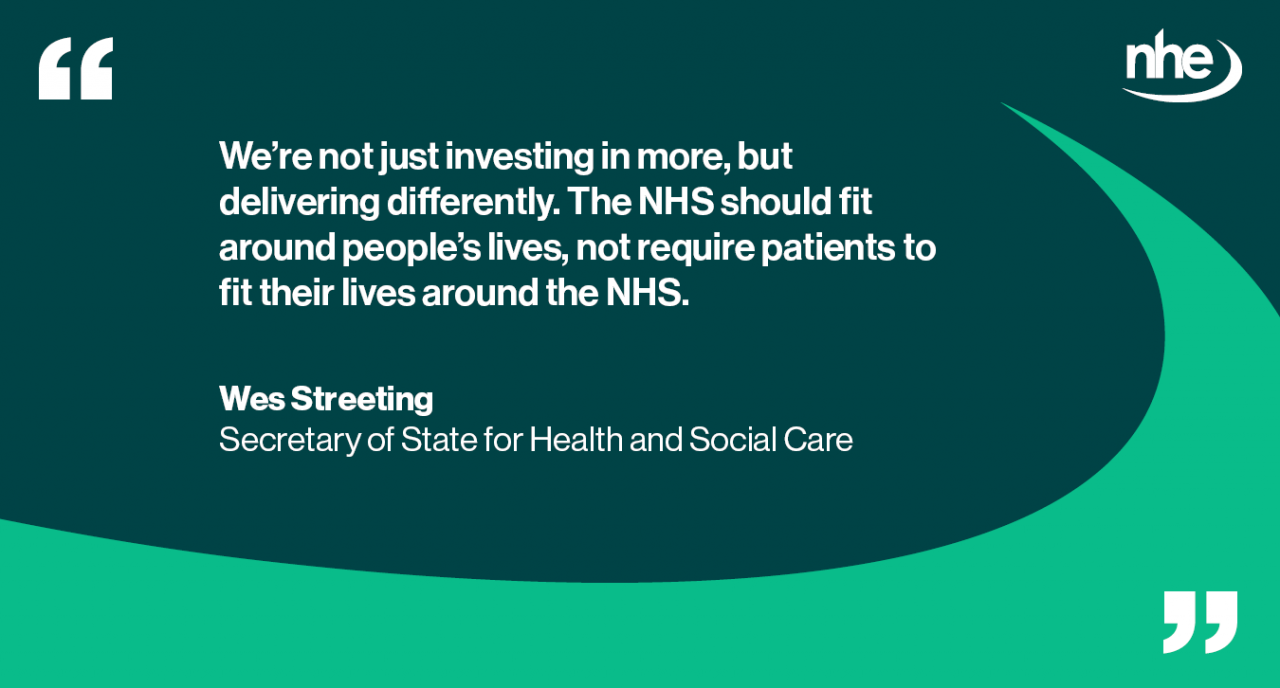
“We’re not just investing in more, but delivering differently. The NHS should fit around people’s lives, not require patients to fit their lives around the NHS. Community Diagnostic Centres mean patients can get tests, checks and scans while they’re doing their shopping on the weekend or on the way to pick up the kids from school - without travelling across town to a hospital.
“This is part of the extra £26 billion the government is investing in a new, modern NHS that is fit for the future.”
By separating diagnostics from busy hospital settings, CDCs help reduce pressure on acute services while ensuring patients receive timely investigations.
The government said the expansion reflects a long‑term commitment to earlier diagnosis, improved outcomes and modernised NHS services, ensuring patients can access high‑quality care in the most appropriate setting.
Image credit: iStock