
Patients across Wales are set to benefit from faster diagnoses and improved treatment times following a major £12 million investment in new scanning and X-ray equipment.
The funding, announced by the Welsh Government, will see ageing and unreliable imaging systems replaced across nine hospitals, boosting capacity and reducing delays caused by maintenance issues.
Hospitals including Royal Gwent Hospital, Bronglais Hospital and Wrexham Maelor Hospital will receive upgraded CT scanners, X-ray machines and bone density equipment.
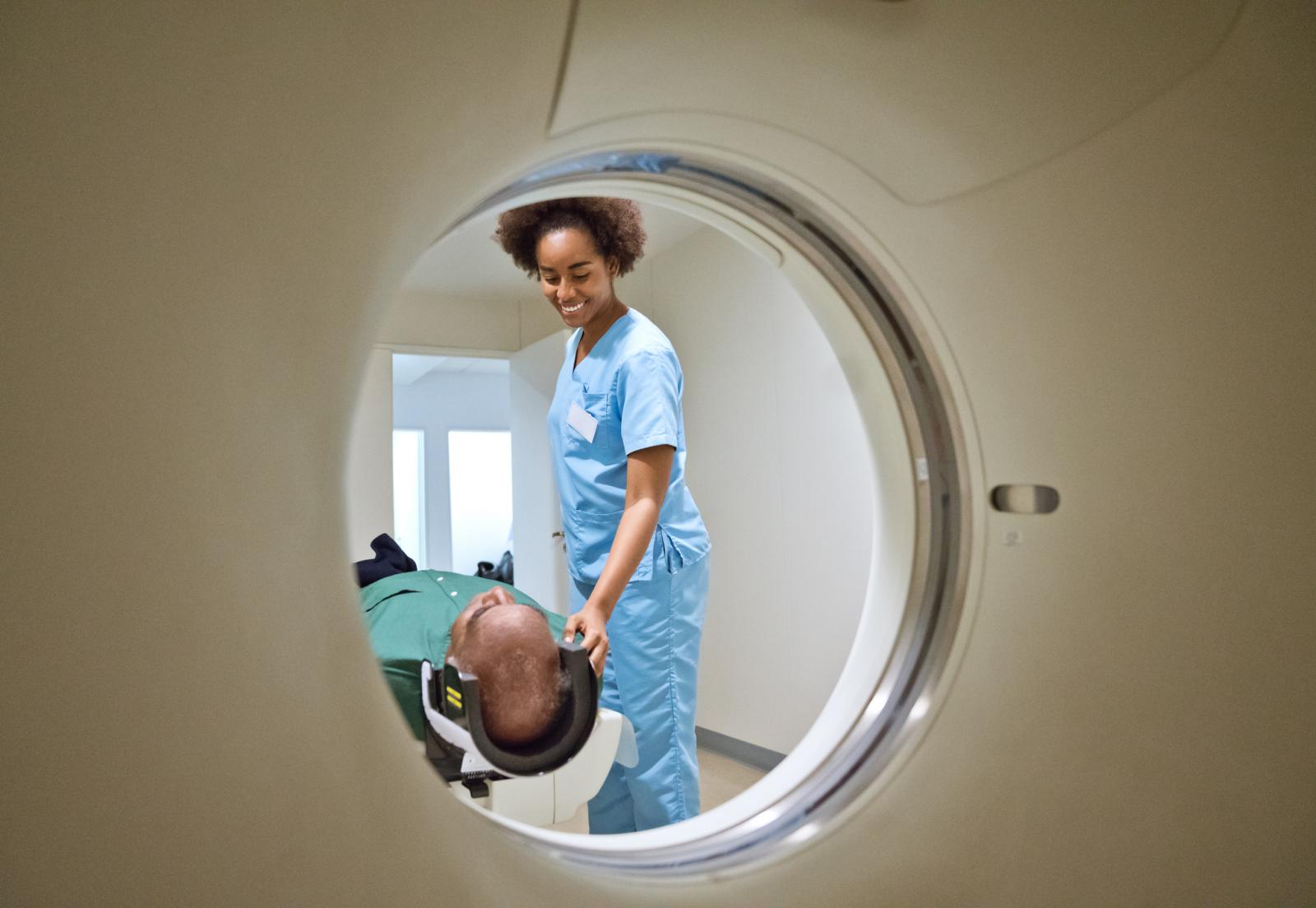
The new technology is expected to deliver clearer imaging, greater reliability and shorter waiting times – ensuring patients are diagnosed and treated more quickly.
Outdated systems have increasingly struggled with breakdowns and costly repairs, often disrupting services. The latest investment aims to futureproof radiology departments and strengthen clinical resilience across the NHS in Wales.
Aneurin Bevan University Health Board will receive more than £2.7 million to replace a SPECT-CT scanner at the Royal Gwent Hospital, significantly reducing downtime and improving diagnostic capacity.
Meanwhile, Cardiff and Vale University Health Board is set to benefit from nearly £2 million to upgrade fluoroscopy equipment at University Hospital Llandough. These systems provide real-time imaging used during diagnostic and minimally invasive procedures.
In west Wales, Hywel Dda University Health Board will replace a 20-year-old bone density scanner at Bronglais Hospital following a £628,000 investment, helping to increase patient throughput amid rising demand.
A further £6.7 million will fund nine new digital X-ray rooms across multiple health boards, including Betsi Cadwaladr University Health Board, Cardiff & Vale and Swansea Bay University Health Board.
Hospitals set to benefit include Bryn Beryl Hospital, Dolgellau Hospital, Mold Community Hospital, Children's Hospital for Wales, Singleton Hospital and Neath Port Talbot Hospital.
Welsh Cabinet Secretary for Health and Social Care, Jeremy Miles, said:
“We are replacing ageing equipment with the latest technology in a bid to improve the resilience, reliability and efficiency of diagnostic services across Wales.
“This equipment – including CT scanners, X-rays and high-resolution imaging of bones, organs and soft tissues – will help increase the number of scans able to take place and improve patient flow through the healthcare system.
“Improving the ergonomics of X-ray equipment will also make it easier to use for staff, with most being fully automated for positioning, so they can be more efficient and benefit patient care.”
These upgrades will expand diagnostic capacity across the country, enabling more patients to be seen closer to home and reducing pressure on overstretched services.
The investment reflects ongoing efforts to modernise NHS infrastructure in Wales, ensuring services can meet growing demand while delivering timely, high-quality care.
Image credit: iStock