

New polling from the Health Foundation and Ipsos reveals that almost half of people in the UK (48%) delayed or avoided contacting their GP about a health concern in the past 12 months, with many citing difficulties accessing appointments.
The findings, based on research conducted in December 2025, show that improving access to general practice remains the public’s top priority for the NHS, tied with improving access to A&E.
Among those who avoided contacting their GP:
- 30% did not expect to be offered a suitable appointment
- 17% believed it would be too difficult to contact the practice
- 14% worried their request would not be taken seriously
- 27% chose to manage the problem themselves or wait for symptoms to resolve
The Health Foundation warns these figures highlight serious risks to the government’s 10‑Year Health Plan, which relies on moving care closer to home and prioritising prevention. Persistent access problems could undermine these ambitions unless investment and workforce expansion, particularly GP recruitment and retention, are prioritised.
The polling suggests broad public support for current NHS measures aimed at improving access:
- 66% support being seen by other healthcare professionals – such as nurses or pharmacists – instead of a GP where appropriate
- 55% prefer using online options, such as the NHS App, to book appointments
However, recent research highlights the need to design such changes carefully to ensure continuity of care is maintained for patients with complex needs, and digital‑first approaches do not disadvantage people with limited online access or lower digital literacy.
Earlier polling on public perceptions shows the biggest challenges facing GP practices include:
- Not having enough doctors (41%)
- Rising patient demand linked to an ageing population (29%)
- Lack of funding (27%)
These pressures align with concerns raised by GPs, professional bodies and healthcare analysts about the sustainability of general practice.
Improving access to A&E has also climbed significantly on the public’s priority list — rising from 25% during the 2024 election period to 36% now.
This reflects the unprecedented strain on emergency departments, including more than 550,000 patients waiting over 12 hours for a hospital bed in 2025, which is a record high.
Despite this, the government’s flagship pledge to reduce routine hospital appointment waiting times ranks only fourth among public concerns.
The polling shows sustained public pessimism about the state of the NHS:
- 42% believe the overall standard of care worsened in the past year
- Only 12% believe it has improved
- Looking ahead, 47% expect standards to deteriorate further in the next 12 months
- Just 15% believe they will improve
Tim Gardner, Assistant Director of Policy at the Health Foundation, commented:
“These findings reflect the tough choices facing policymakers in turning around a struggling health service. The government has pledged to shift care from hospital to community, yet this will only happen with strong foundations in general practice which needs investment and reform.
“Priorities include recruiting and retaining enough GPs, modernising general practice IT and buildings, and rapidly testing and evaluating new ways of delivering care – including balancing speed of access with continuity of care for patients who most need it. Our findings signal that, too often, people are going without the care they need, which risks storing up health problems further down the line and placing more strain on an already stretched service.”
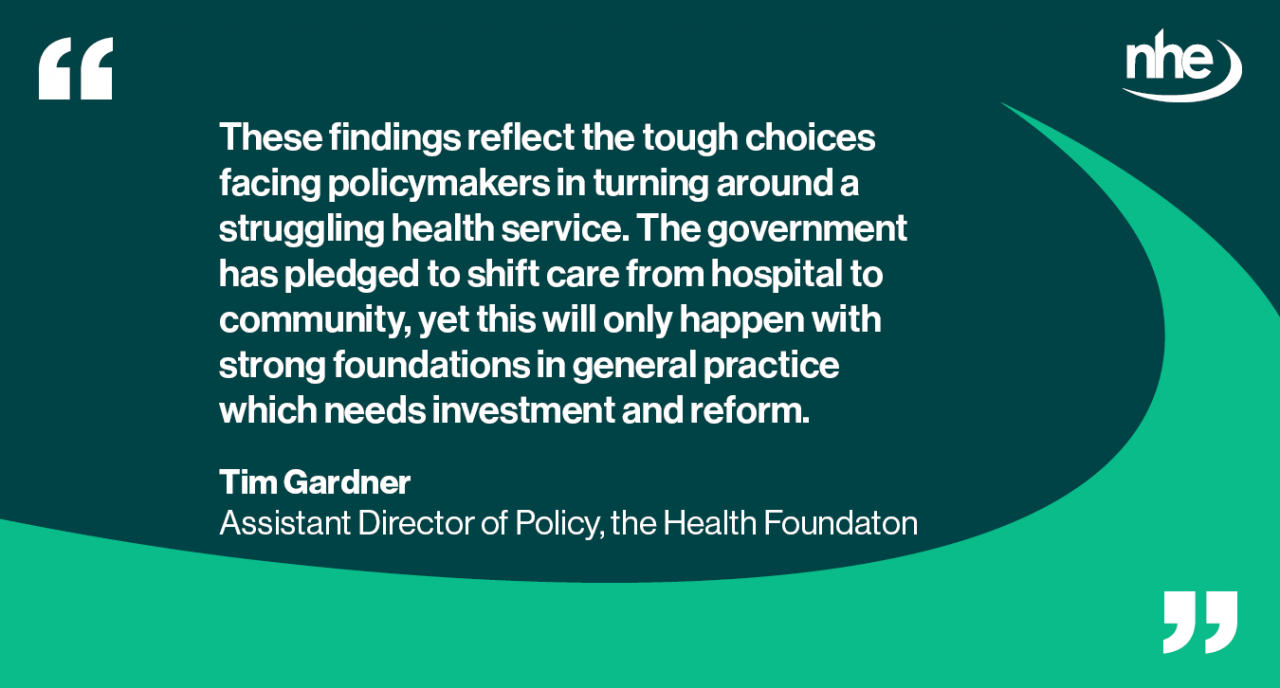
Image credit: iStock