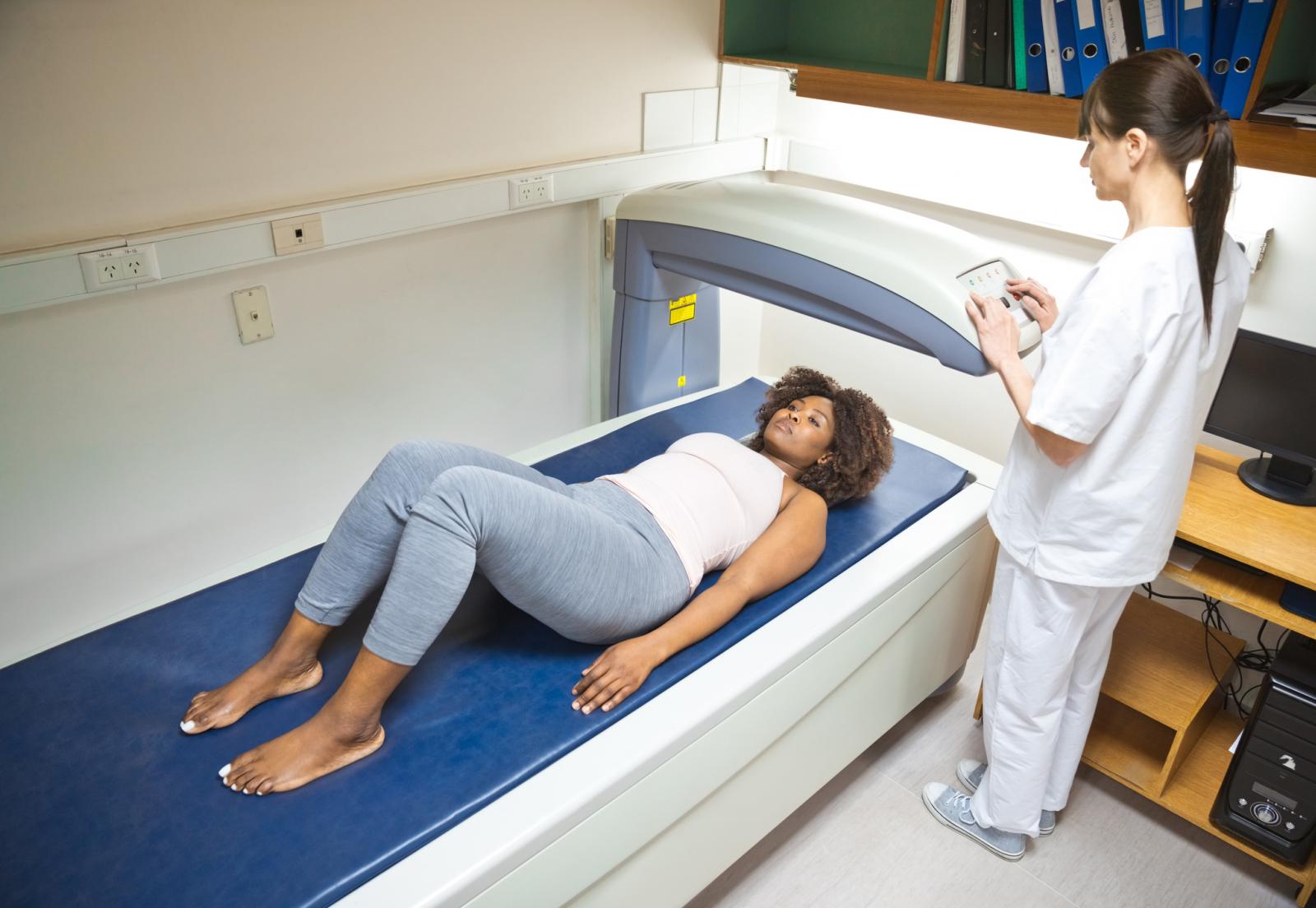
Tens of thousands of patients at risk of osteoporosis and other serious bone conditions will benefit from faster diagnosis as 20 new DEXA bone scanners are rolled out across England.
This investment aims to detect fragile bones earlier, helping prevent painful and life‑changing fractures. The £2.6 million expansion includes 6 brand new scanners to increase national capacity, alongside 14 replacement scanners to modernise outdated equipment and improve image quality.
This builds on the first wave of 13 scanners announced in 2024, 10 of which are already in use. In 2025, more than 16,000 additional DEXA scans were delivered compared with the previous year.
Osteoporosis affects millions of people in the UK and disproportionately impacts women, particularly after menopause. Fragility fractures linked to weakened bones can result in:
- Loss of independence
- Long hospital stays
- Deteriorating quality of life
Ahead of International Women’s Day, the rollout represents a significant step forward in tackling a condition that is frequently undiagnosed until a fracture occurs.
The scanners, known as DEXA (dual‑energy X‑ray absorptiometry) machines, are considered the gold standard for measuring bone density and assessing fracture risk. Earlier diagnosis allows patients to begin medication and make lifestyle changes to strengthen bones and reduce their risk of future breaks.
The investment supports the government’s 10 Year Health Plan, which aims to:
- Cut waiting times
- Modernise diagnostic services
- Shift NHS care from treating illness to preventing it
Earlier detection of bone conditions reduces pressure on hospitals and emergency services, where fragility fractures account for a significant number of admissions.
Dr Lesley Kay, NHS National Clinical Director for Musculoskeletal Conditions, commented:
“Osteoporosis and other bone conditions can have a devastating effect on patients, so improving access to this specialist technology will make a real difference to people’s lives.
“These scanners are the diagnostic gold standard and now tens of thousands more people will be diagnosed at an early stage and treated more quickly, as well as prevented from suffering broken bones.”
The government says it will continue to work with the NHS and regional partners to improve bone health pathways – from first diagnosis and fracture prevention to long‑term follow‑up – ensuring patients receive consistent, high‑quality support wherever they live.
Image credit: iStock