


Public Health Wales is urging renewed focus on brain health after a major review of international evidence found that as many as 45 per cent of dementia cases could be prevented through lifestyle and environmental changes.
The findings challenge the long‑held assumption that dementia is an inevitable part of ageing. Instead, the review highlights growing evidence that risk can be reduced significantly through action across the life course – from healthier living to better management of long‑term conditions.
Dementia remains one of the world’s most pressing public health issues. In 2019, an estimated 57 million people were living with the condition worldwide. This figure is expected to rise to 153 million by 2050, driven largely by ageing populations and increasing life expectancy.
It is already the seventh leading cause of death globally and a major driver of disability in older adults. The economic consequences are also stark: global costs reached $1.3 trillion in 2019 and are projected to more than double by 2030.
Public Health Wales says these trends underline the need for prevention‑focused strategies that reduce both the human and financial burden of dementia on families, services and society.
The review identifies 14 modifiable risk factors that, if addressed, could prevent up to 45 per cent of dementia cases. These include:
- Physical inactivity
- Smoking
- Excessive alcohol consumption
- Untreated hearing loss
- Untreated vision loss
- Social isolation
- Hypertension
- Diabetes
- Obesity
The evidence reinforces the importance of early and sustained lifestyle action, particularly in midlife, when risk‑reduction efforts are most effective.
Public Health Wales highlights promising international approaches, including Finland’s landmark FINGER trial – a two‑year “multidomain” lifestyle intervention combining physical activity, healthy eating, cognitive training, and management of vascular risk factors.
Participants at risk of dementia showed significant cognitive improvements, and the model is now being adopted globally through the WorldWide FINGERS network.
Public Health Wales argues that such programmes demonstrate the value of integrated, long-term, community-led interventions. Public Health Wales’ Head of International Health, Dr Mariana Dyakova, said:
“I welcome this Public Health Wales report, which strengthens the case for early, sustained action to protect brain health.
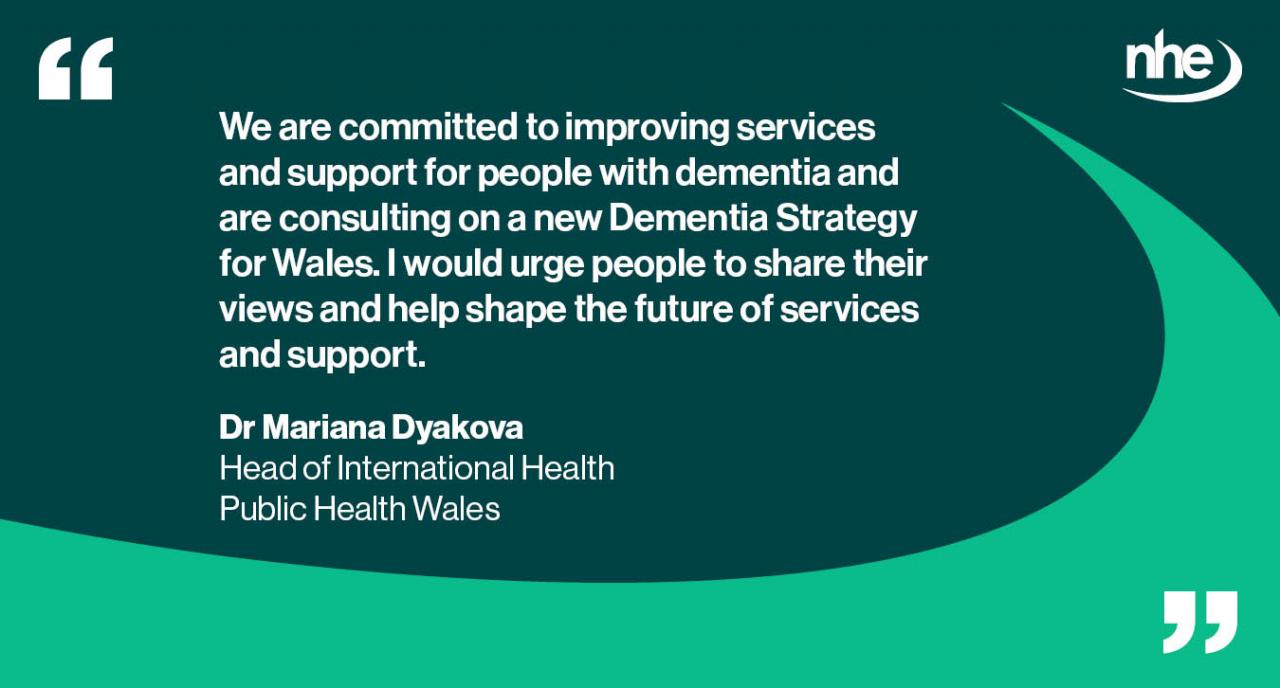
“We are committed to improving services and support for people with dementia and are consulting on a new Dementia Strategy for Wales. I would urge people to share their views and help shape the future of services and support.”
The organisation is encouraging people in Wales to take proactive steps to reduce their risk. Recommended actions include:
- Staying physically active
- Eating a balanced diet
- Maintaining regular social contact
- Managing high blood pressure, diabetes and high cholesterol
- Seeking treatment for hearing or vision loss
- Avoiding smoking
- Reducing alcohol consumption
These actions not only support brain health but also contribute to wider physical and mental wellbeing.
With dementia set to place escalating pressure on health and social care systems, Public Health Wales emphasises that prevention must play a central role in public policy. For local authorities, health boards and community organisations, the findings underline the importance of designing environments and services that support healthy ageing, social connection and access to preventive healthcare.
Image credit: iStock