
People with diabetes who also live with a disability may be left without the support they need to safely self‑administer insulin at home, creating potentially life‑threatening risks, according to a new report from the Health Services Safety Investigations Body (HSSIB).
The investigation found that community support for diabetes care is often fragmented, with services not consistently working together to recognise changes in a person’s needs or make reasonable adjustments. Diabetes care in the community can involve GPs, community pharmacies, community nursing services, specialist diabetes teams, and urgent and emergency care, but the report highlights a lack of coordination across these settings.
As a result, the HSSIB is calling on NHS England and the Department of Health and Social Care (DHSC) to strengthen expectations around community support and to develop a practical, standardised way for services to assess whether patients, families and carers are able to manage insulin safely.
Self‑administration of insulin and disability
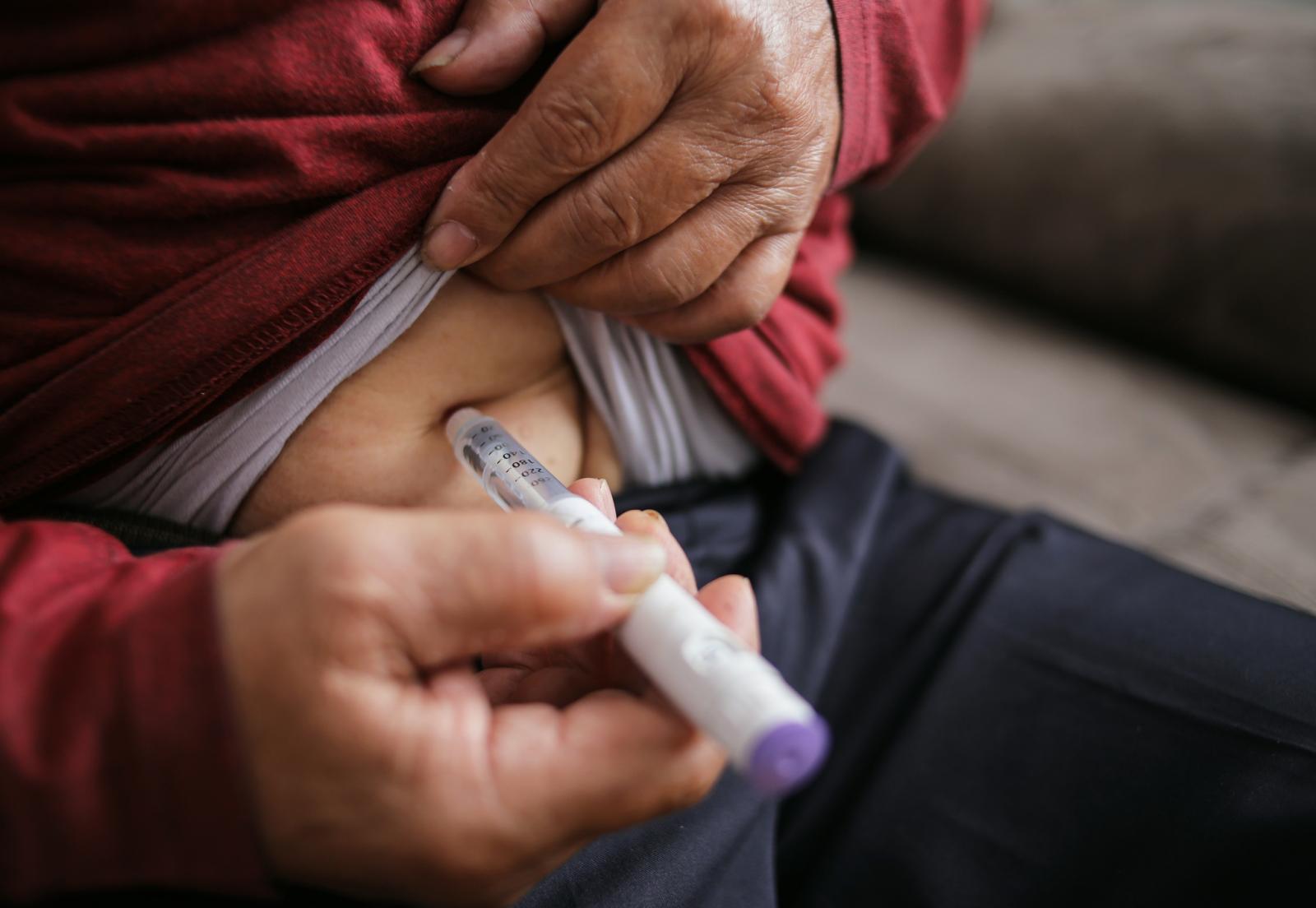
Many people with diabetes successfully manage their condition by self‑administering insulin, either through injections or by using hybrid closed‑loop systems that combine continuous glucose monitoring with insulin pumps. Self‑management can support better blood sugar control and significantly reduce the risk of complications.
However, the report warns that a disability or impairment can affect a person’s ability to manage insulin safely if appropriate support is not in place. The risks are significant. Short‑term complications include diabetic ketoacidosis, a potentially fatal condition caused by a build‑up of acids in the blood, while long‑term complications can include vision loss, foot problems, heart attacks and nerve damage.
The scale of the issue is growing. An estimated 16.8 million people in the UK were living with a disability in 2023/24, a figure expected to rise further. The most commonly reported impairments relate to mobility, stamina, breathing, fatigue and mental health, with older people also more likely to experience difficulties with dexterity, hearing, vision and memory.
Such impairments can directly affect a person’s ability to measure, prepare and administer insulin correctly. The HSSIB found that harm can occur when existing or emerging disabilities are not recognised, or when necessary adjustments are not made. In some cases, people may not be routinely monitored for changes in their condition during long‑term condition reviews. In others, healthcare professionals may misinterpret the Mental Capacity Act, particularly when assessing a person’s ability to make decisions about their medication.
Key patient safety themes
During the investigation, the HSSIB reviewed patient safety incident reports and heard directly from patients, families, carers and NHS staff. Three recurring patient safety themes emerged:
- Supporting the development of people’s competency – including skills, knowledge and experience – to manage insulin safely
- Recognising and responding when people’s circumstances change, such as deterioration in a disability
- Ensuring appropriate assessment of mental capacity in relation to insulin management and decision‑making
Safety recommendations
In response, the HSSIB has issued formal safety recommendations to NHS England and the Department of Health and Social Care, calling on them to:
- Provide clearer guidance for community service models that empower and support people to manage insulin safely
- Develop a practical assessment tool for community services to evaluate the competency of patients, families and carers supporting people with diabetes and a disability
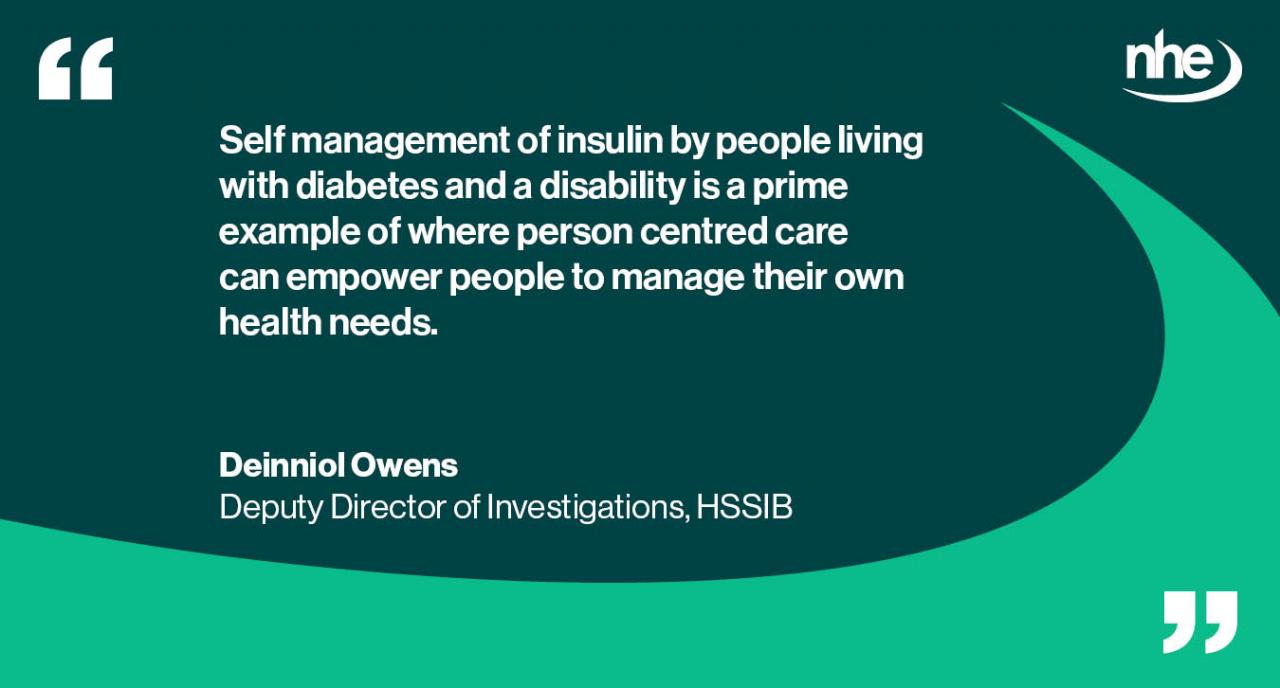
Commenting on the findings, Deinniol Owens, Deputy Director of Investigations at HSSIB, said:
“Self‑management of insulin by people living with diabetes and a disability is a prime example of where person‑centred care can empower people to manage their own health needs.
“Our patient safety report offers practical solutions and learning that national bodies, integrated care boards and healthcare providers can take onboard to tackle the issue of incorrectly administered insulin by patients with a disability. Implementation of our safety recommendations would not only benefit patients and their families and carers, but also the NHS staff that care for them across the many different community services that can be involved in diabetes care.”
The HSSIB says the findings highlight the need for better joined‑up care, clearer accountability and stronger system‑wide support to prevent avoidable harm and ensure disabled people with diabetes can manage their condition safely and with dignity.
Image credit: iStock