
Hundreds of thousands more women attended NHS breast screening last year, leading to thousands of additional early cancer diagnoses, according to new figures from the NHS Breast Screening Programme.
In 2024/25, 1.94 million women aged 50 to 70 attended screening within six months of their invitation, an increase of 193,745 compared with the previous year’s 1.75 million. As a result, 19,291 breast cancers were detected, equivalent to 9 cases per 1,000 women screened. This represents a 16% rise in cancers diagnosed through screening compared with 16,677 cases the previous year.
The NHS says this means thousands more women accessed treatment earlier, when it is typically more effective and options are greater.
Attendance among women invited for screening for the first time rose to 63.6%, the highest level in ten years.
In total, 4.79 million eligible women are now up to date with breast screening — also the highest level in a decade. Overall coverage within the programme’s three‑year standard now stands at 71.8%, up 1.8 percentage points on last year.
Despite this progress, around three in ten women did not take up their screening invitation.
Local screening services are working with NHS England to improve attendance through:
- Targeted outreach in lower‑uptake areas
- Reminder text messages
- Expanded use of mobile screening units to bring services closer to communities
In February last year, the NHS launched its first‑ever national breast screening campaign, supported by Breast Cancer Now and featuring public figures including Victoria Derbyshire, Julia Bradbury and Shirley Ballas, who shared personal messages to encourage participation.
During the campaign, online engagement surged, with tens of thousands visiting NHS breast screening webpages in a single week and a sharp rise in clicks to the screening service finder.
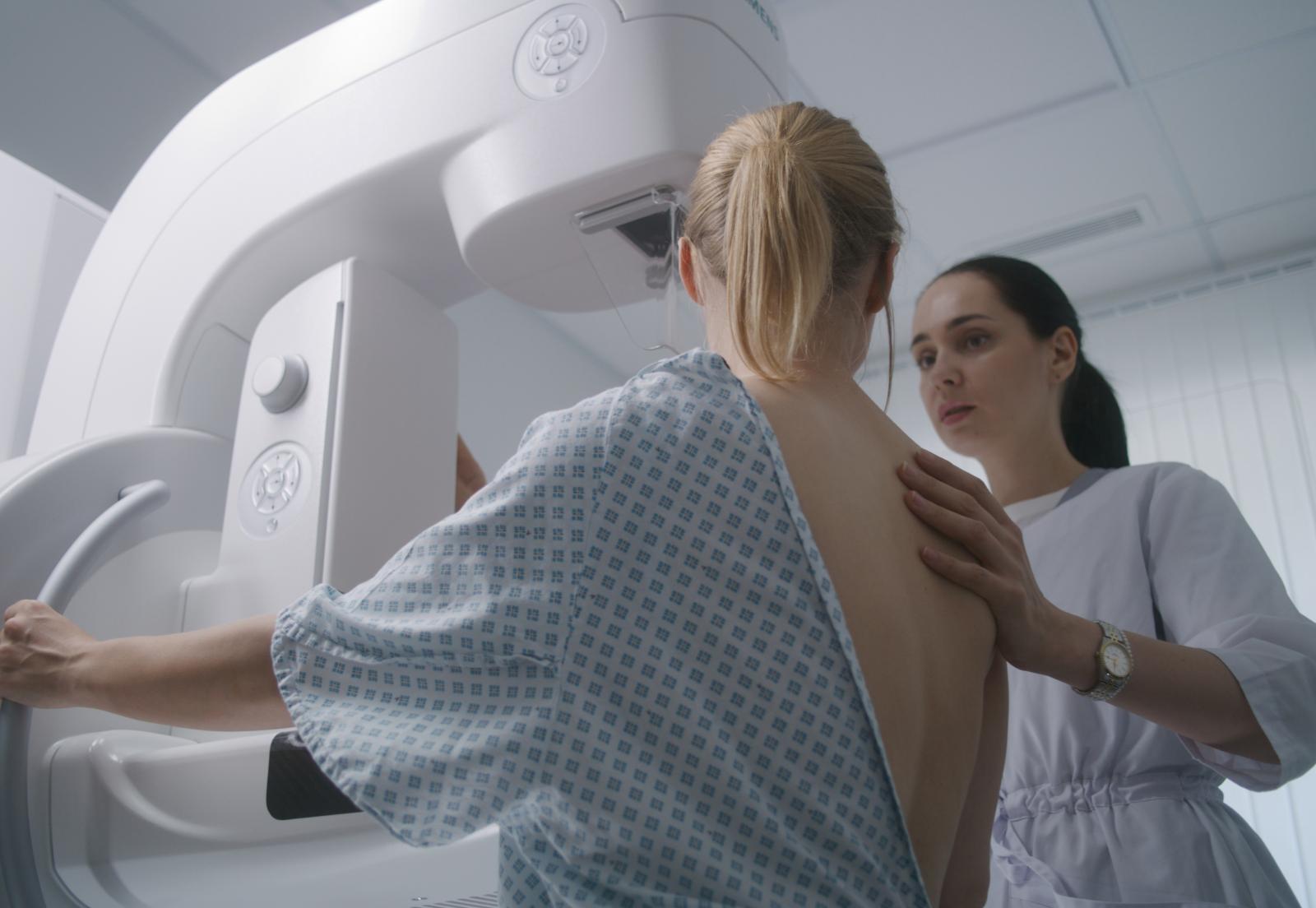
Women aged 50 to 71 are invited for breast screening every three years, with the programme delivered through static clinics and mobile screening units across England.
Dr Harrison Carter, NHS England’s Director of Screening, said:
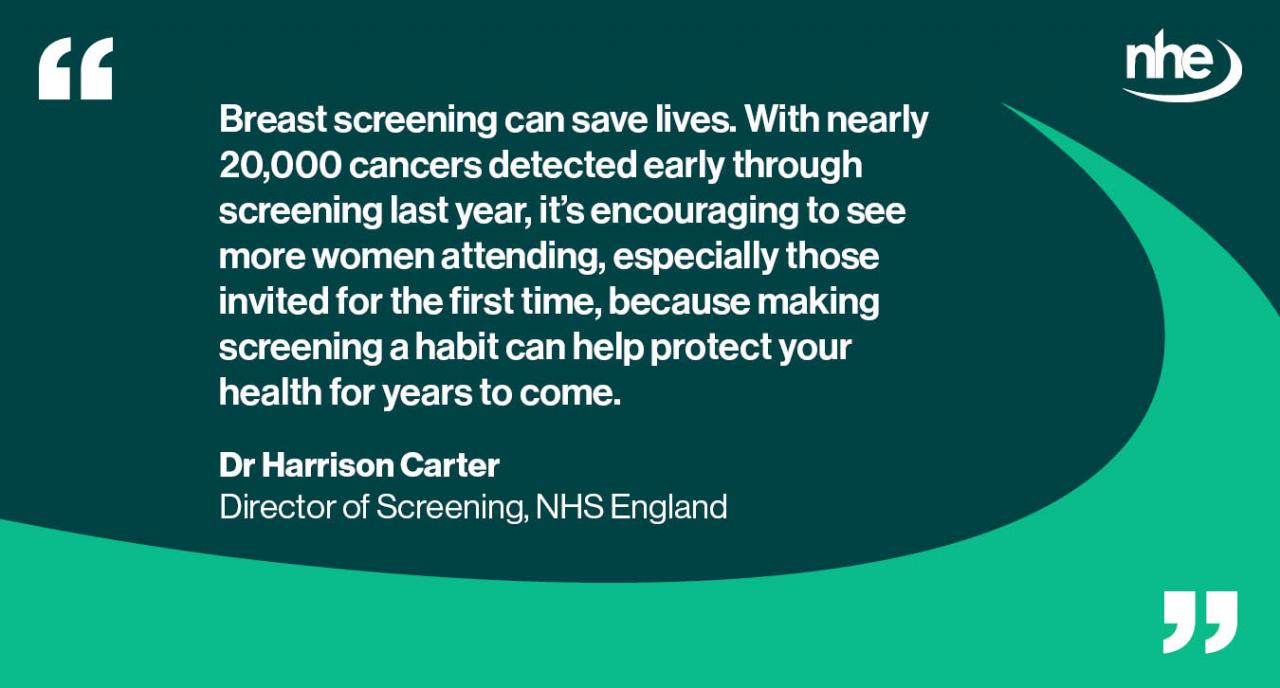
“Breast screening can save lives. With nearly 20,000 cancers detected early through screening last year, it’s encouraging to see more women attending, especially those invited for the first time, because making screening a habit can help protect your health for years to come.
“But we know there are a range of reasons why some women don’t come forward and there is much more still to do to support more women to access breast screening. If you receive an invitation, please don’t ignore it. It’s an appointment that could save your life.”
The NHS emphasises that breast screening carries some risks, with some women potentially being diagnosed and treated for slow‑growing cancers that might not have caused harm, whilst mammograms do not detect every breast cancer. However, for most people, the benefits of early detection outweigh the risks, helping save lives through early, more effective treatment.
Image credit: iStock