
Patients attending GP practices across Scotland are now benefiting from a new digital dermatology service designed to speed up assessments, reduce pressure on waiting lists and improve outcomes for people with skin conditions.
Since the national rollout in September, GPs have already referred more than 12,000 patients through the new system. It is estimated that as many as 130,000 dermatology referrals a year could be made digitally, potentially reducing demand on dermatology waiting lists by up to 50%.
The rollout has been backed by £1.8 million of Scottish Government funding through the Accelerated National Innovation Adoption (ANIA) initiative.
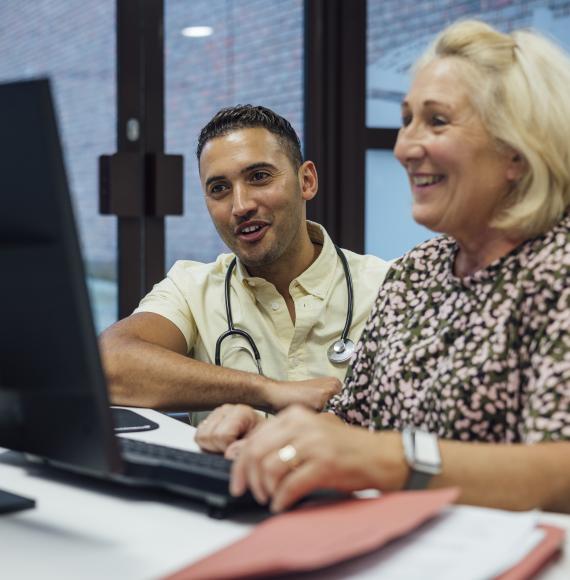
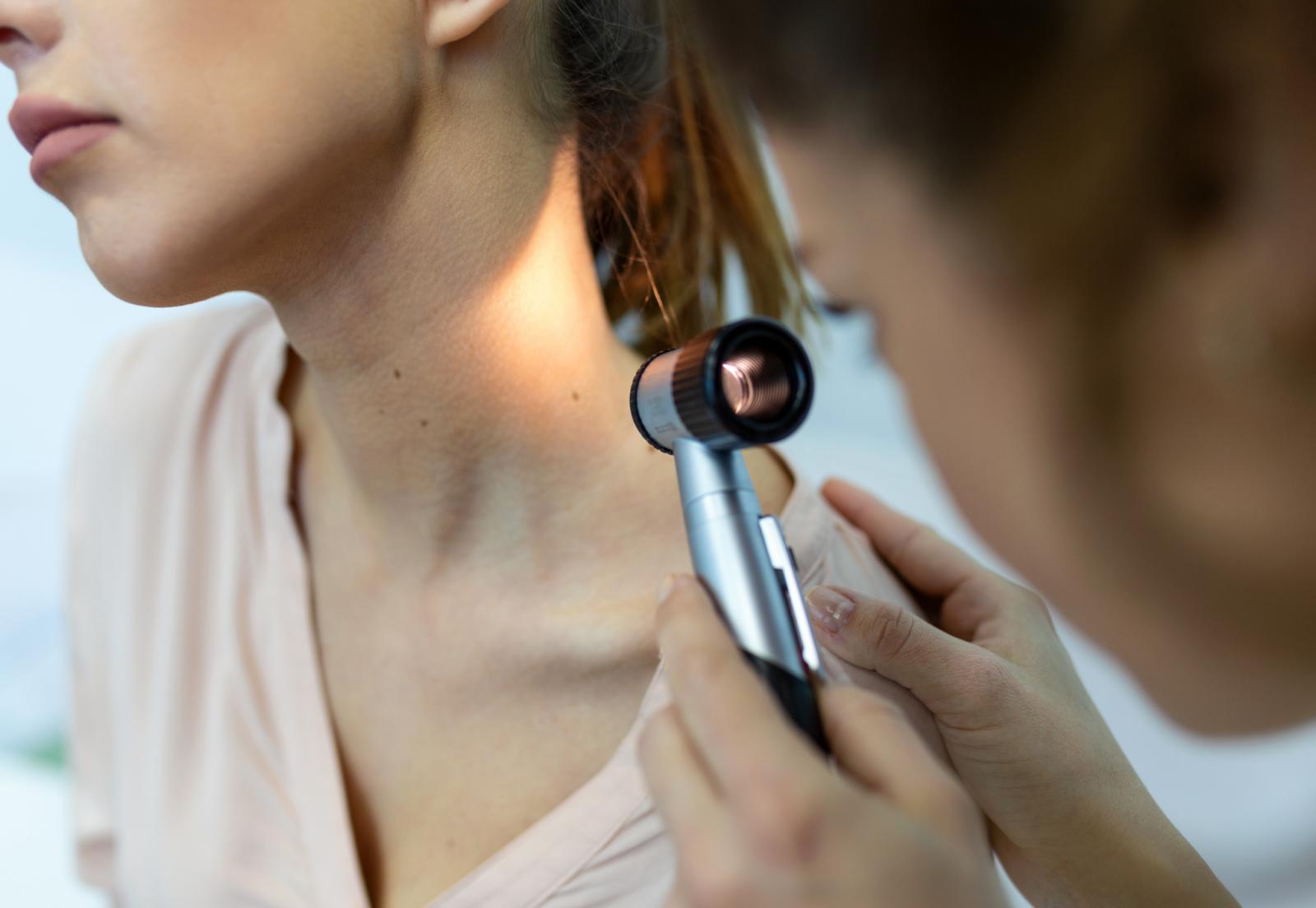
The service allows GPs to securely send high‑quality images of a patient’s skin condition to dermatology specialists using a mobile device. Specialists then carry out a digital initial assessment, ensuring patients receive the right next step more quickly — whether that is a face‑to‑face appointment, redirection to a more appropriate service, or advice on self‑management.
Around half of all dermatology referrals each year involve suspected skin cancer. The new approach enables clinicians to rule cancer in or out sooner, offering faster reassurance or quicker diagnosis for patients.
Early identification of melanoma is critical. Survival rates are high when the disease is caught early:
- Stage 1: almost all patients live five years or more
- Stage 4: only around 50% survive five years
Scottish Health Secretary Neil Gray said:
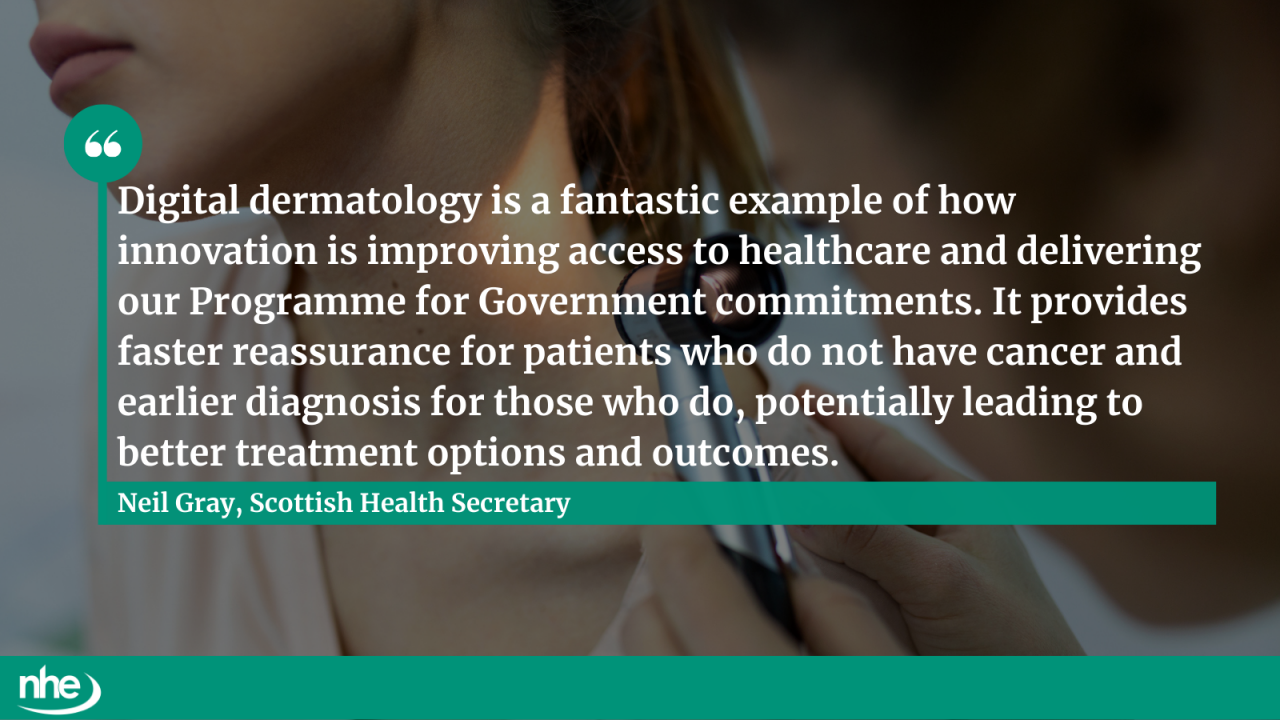
“Digital dermatology is a fantastic example of how innovation is improving access to healthcare and delivering our Programme for Government commitments. It provides faster reassurance for patients who do not have cancer and earlier diagnosis for those who do, potentially leading to better treatment options and outcomes.
"I want to thank everyone who has worked hard to deliver this successful national rollout as we continue to harness technology to reform our NHS for the future."
By improving access to rapid expert assessment, the digital service aims to reduce the number of people presenting with late‑stage melanoma, when treatment options are more limited.
Health leaders say the transformation demonstrates how digital innovation can strengthen the NHS, improve patient experiences and support earlier intervention.
Image credit: iStock