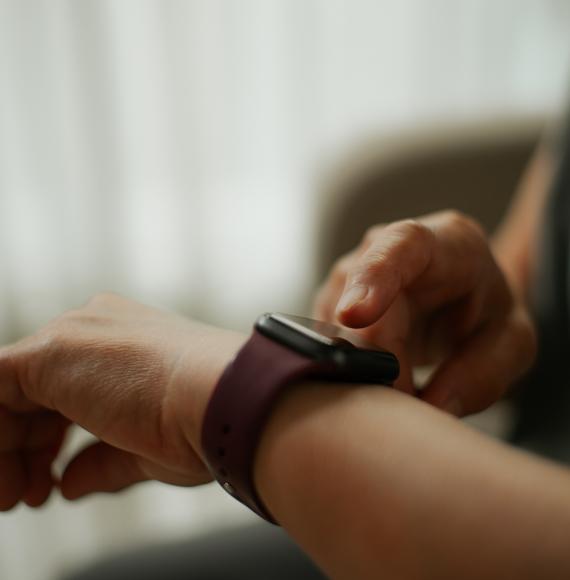
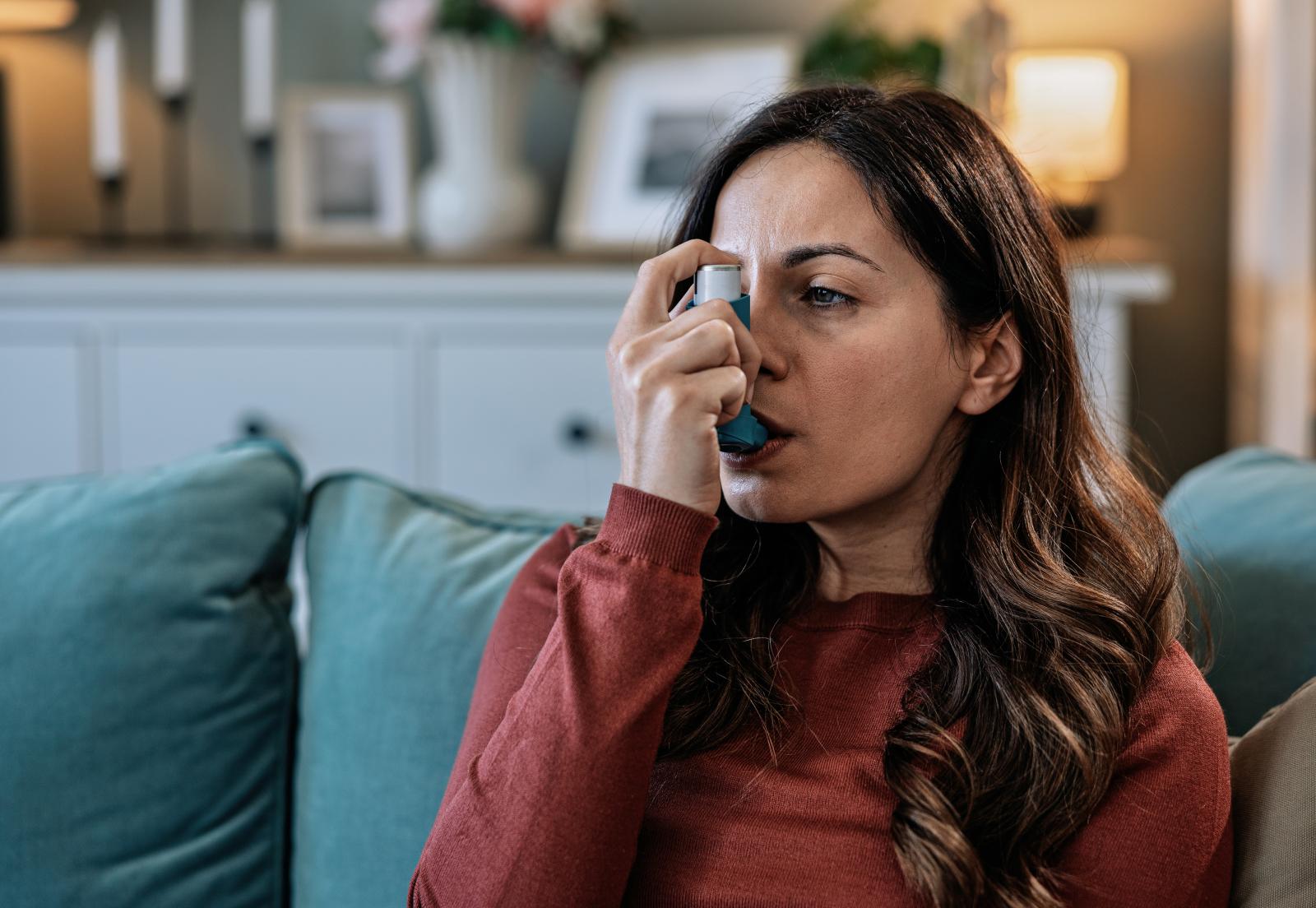

People living with asthma could soon benefit from innovative digital tools on their phones or tablets to help manage their condition more effectively, according to draft guidance published by NICE.
The guidance recommends that eight digital platforms can be used in the NHS during a three-year evidence generation period, giving patients access to personalised support alongside regular healthcare appointments.
The platforms provide:
- Personalised asthma action plans accessible digitally rather than on paper.
- Tools to track symptoms and medication, plus reminders to take inhalers.
- Educational content, including videos on inhaler technique.
- Options for some platforms to share data with GPs or nurses, making appointments more efficient.
These technologies are designed for different groups, including adults, children, young people, and parents/carers.
The eight recommended platforms are: Asthmahub, Asthmahub for parents, AsthmaTuner, Digital Health Passport, Luscii, myAsthma, RDMP (Respiratory Disease Management Platform), and Smart Asthma.
Asthma affects around 5.4 million people in the UK — one in every 12 adults and one in every 11 children. Poorly controlled asthma can lead to emergency hospital visits and avoidable deaths. Many patients struggle with paper-based action plans or inhaler technique, making digital solutions a potential game-changer.
Early evidence suggests these tools can improve asthma control scores, reduce hospital visits, and increase confidence in managing the condition.
NICE has also published draft guidance on digital technologies that use algorithms and AI to support diagnosis of asthma and COPD through spirometry testing. One technology, ArtiQ.Spiro, is recommended for NHS use during an evidence generation period in GP surgeries and community diagnostic centres.
Nice’s HealthTech Programme Director, Dr Anastasia Chalkidou, said:
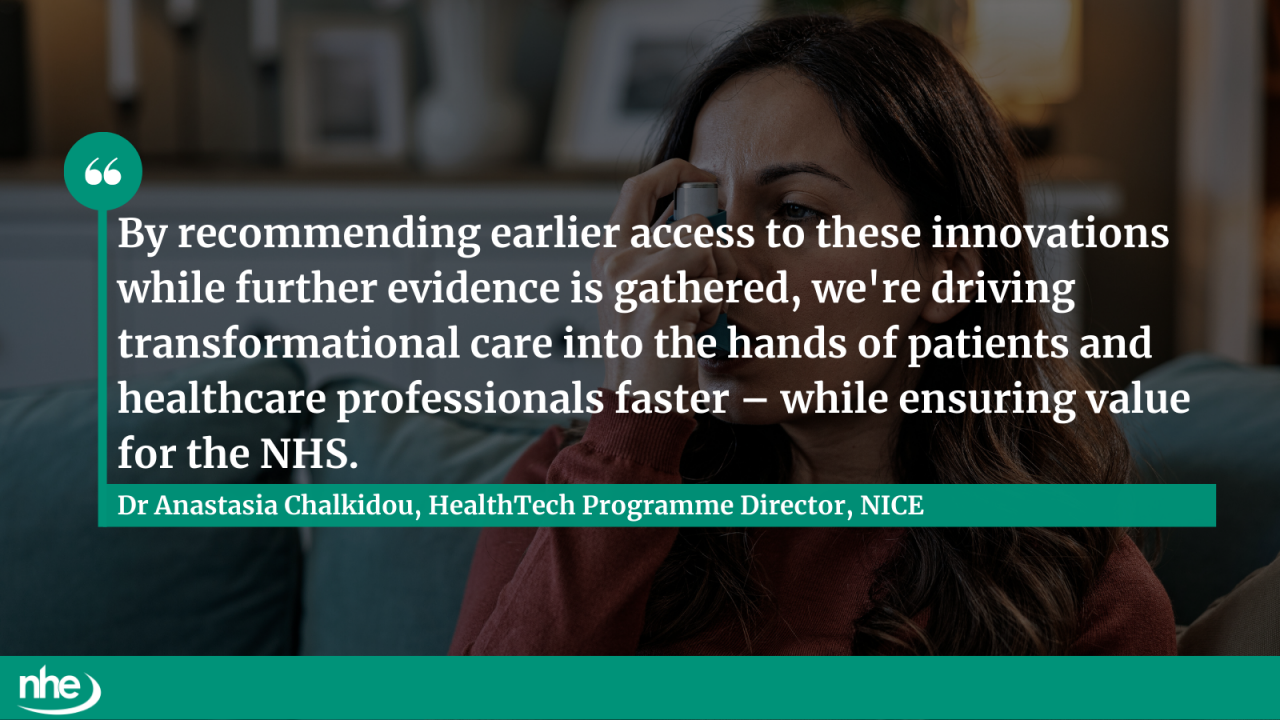
“Our independent committee has rigorously assessed the evidence for these digital technologies and concluded they show real promise in helping people better manage their asthma.
“By recommending earlier access to these innovations while further evidence is gathered, we're driving transformational care into the hands of patients and healthcare professionals faster – while ensuring value for the NHS.”
These tools check the quality of spirometry tests, interpret results, and guide diagnosis decisions — enabling less experienced staff to perform tests and potentially reducing waiting times. With an estimated 200–250 patients per 500,000 people awaiting assessment, this could help ease backlogs and improve access to care. Four other technologies require further research before they can be recommended.
Both sets of draft guidance are open for consultation until 21 January 2026. NICE is welcoming feedback from healthcare professionals, patients and the public before final recommendations are made.
Image credit: iStock