
Patients living in England’s most deprived and underserved areas are set to benefit from earlier and potentially lifesaving cancer diagnoses, thanks to a major new £200 million government scheme aimed at ending postcode lotteries in cancer care.
The investment will fund targeted early‑diagnosis initiatives across local neighbourhoods, with a clear focus on improving screening uptake, addressing long‑standing health inequalities and catching more cancers at the earliest, most treatable stages.
Despite improvements in survival rates over recent decades, progress has slowed in the last ten years, and England now lags behind several European countries for many cancer types. The government says it is determined to reverse this trend by focusing on earlier diagnosis – widely recognised as the single most important factor in improving survival.
Recent data highlights stark inequalities. Between March 2021 and December 2023, rates of premature cancer deaths were 101% higher in Blackpool (208 deaths per 100,000 people) than in Harrow (104 per 100,000), the lowest in the country. These gaps widen further when accounting for ethnicity, socioeconomic status and place of birth.
Early diagnosis rates between 2013 and 2020 also varied significantly between the most affluent and deprived areas, reinforcing the need for a targeted national response.
There are signs of progress. Government reforms – including streamlined referral routes, better primary care support and expanded lung cancer screening – have contributed to the first sustained increase in early diagnosis in over a decade.
Early‑stage diagnosis in 2024 and 2025 reached record levels, equating to around 10,000 more people diagnosed earlier in the last year alone.
From 2026, Cancer Alliances – regional partnerships that coordinate NHS cancer services – will receive support through the three‑year Neighbourhood Early Diagnosis Fund, part of the wider £200 million ring‑fenced investment for 2026–27.
The funding will enable Cancer Alliances to:
- Work with neighbourhood health services, screening providers and commissioners
- Partner with local community groups and charities
- Identify barriers to screening uptake
- Design targeted, locally tailored campaigns to address specific inequalities
The aim is to reduce the gap in early diagnosis rates between the most and least deprived communities.
The scheme builds on successful initiatives already underway. Mobile lung cancer screening units – such as those operating in Greater Manchester – are bringing services directly into communities. More than 1,200 lung cancers have been detected through this programme, with nearly 80% found at an early stage.
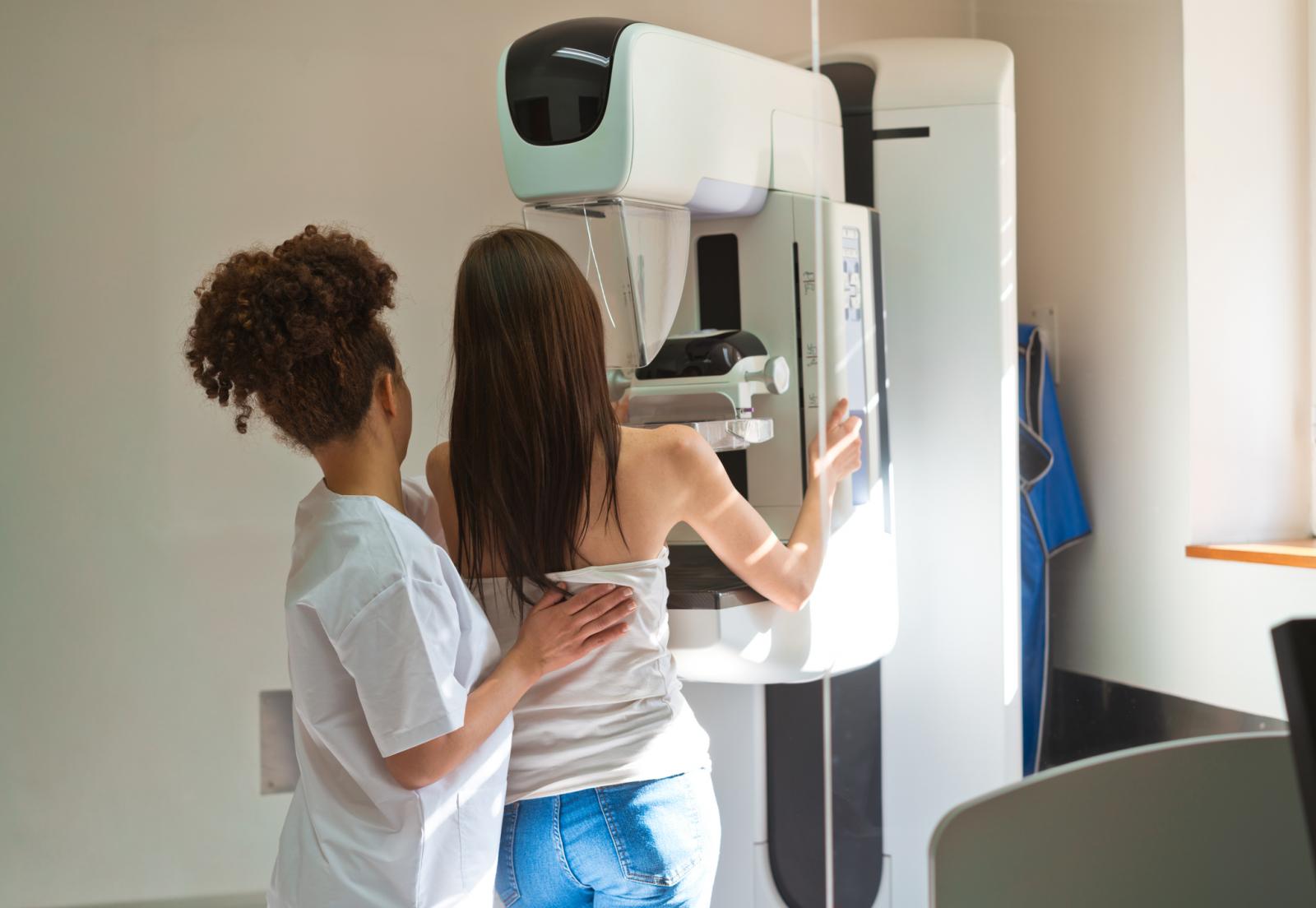
In Liverpool, a new mobile breast screening unit is helping overcome transport barriers by visiting areas with historically low screening uptake. It aims to improve access for women in North and Central Liverpool, ensuring more people receive timely breast cancer checks.
Patients consistently report wanting faster diagnosis, better access to innovative treatments, and care shaped by the latest research. In response, the government has developed a forthcoming National Cancer Plan, co‑designed with clinicians, charities and people affected by cancer.
The plan places patients’ experiences and needs at its core, ensuring they are supported throughout diagnosis, treatment and beyond.
Wes Streeting, Health Secretary, said:
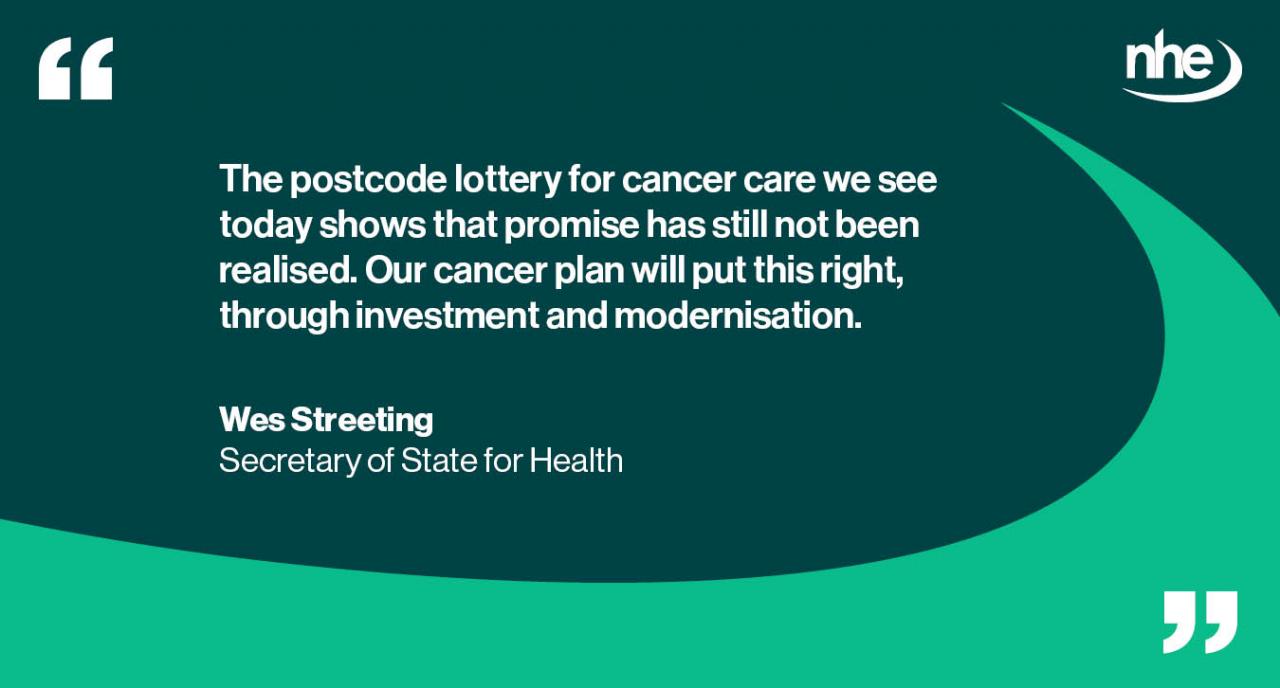
“In 1948, Aneurin Bevan founded the NHS with a promise that the best possible care would be available to all, regardless of their ability to pay or where they live. The postcode lottery for cancer care we see today shows that promise has still not been realised. Our cancer plan will put this right, through investment and modernisation.
“I know from my own experience of being diagnosed with kidney cancer how vital early detection is. It was only caught by chance because I went to hospital about something else entirely. I was one of the lucky ones – but healthcare shouldn’t be left to luck. We will ensure that no community is left behind when it comes to catching cancer early. Wealth should not dictate health.
“Advances in medical science allow us to screen much more accurately for early signs of cancer. Bringing this to every part of our country will help catch cancer earlier and treat it faster.”
The £200 million investment and new neighbourhood‑level initiatives represent a significant step in reducing entrenched health inequalities and ensuring every community – regardless of postcode – can benefit from earlier, lifesaving cancer diagnosis.
Image credit: iStock