

A pioneering partnership approach to criminal justice is delivering tangible, life-changing results for some of the Black Country’s most vulnerable residents, including those trapped in cycles of offending, substance misuse, homelessness and poor health.
Delivered in collaboration with police, probation services and voluntary sector organisations, the Criminal Justice Service has spent the past three years reshaping how support is offered to people on probation. At its core is the Integrated Offender Management (IOM) model – a multi-agency approach designed to tackle the root causes of offending while improving long-term health and wellbeing outcomes.
By bringing key services together, the initiative aims to break the long-standing ‘revolving door’ pattern of repeat offending and custodial sentences. The results so far suggest a positive shift in both outcomes and engagement.
Reaching those previously unseen
Since 2023, the service has supported more than 240 individuals across the Black Country, many of whom present with complex and overlapping needs. These include mental health challenges, substance misuse, learning disabilities, trauma and unstable housing situations.
Strikingly, more than 80% of referrals have been first-time engagements, demonstrating the service’s success in reaching individuals who had previously fallen outside traditional support networks. Many of those supported lack family connections and struggle with essential life skills such as managing finances, understanding correspondence or attending appointments.
The service takes a hands-on, person-centred approach, helping individuals build confidence and independence. This includes supporting access to GP services, housing teams, food banks, social activities and financial advice – often for the first time.
A whole-person approach
Dawn Homer, Service Manager at Black Country Healthcare NHS FT, highlighted the ethos behind the initiative:
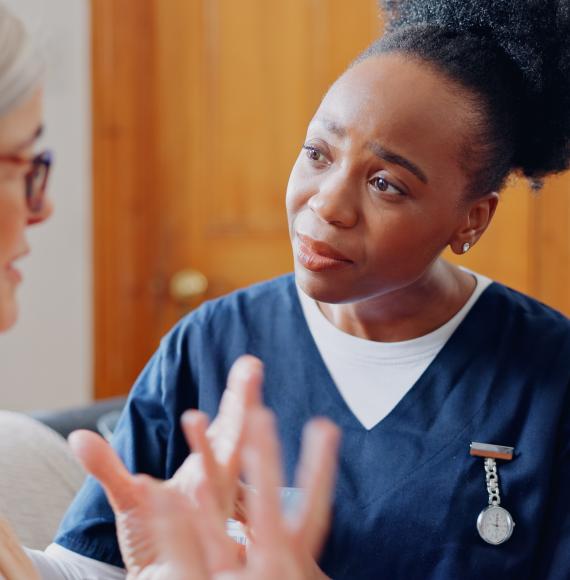
“We talk very much about calming people’s chaos, and that’s what this service does. We see the person first, not the offence.
“Our goal is to ultimately empower the people we work with in the Black Country, and through our partnership working, we come together in one place to do that. It’s exactly the kind of joined-up approach that prevents people from falling through the gaps and missing out on the help that they need. We’ve also recently recruited a second qualified nurse to expand the team and the support we can give to vulnerable people in our communities.”
Her comments underline a broader shift across public services towards integrated, preventative models that prioritise early intervention and sustained engagement over reactive responses.
Building trust and improving engagement
One of the most significant developments has been a noticeable change in how individuals engage with the system. Many service users—who historically avoided support – are now actively seeking help, including upon release from custody.
Feedback consistently highlights the importance of dignity and respect in building these relationships. Service users have described the support as “life changing”, with particular appreciation for an approach that “sees the person beyond the offence”.
For professionals working in criminal justice, health and social care, this reinforces the importance of trauma-informed and person-led delivery models when working with high-need cohorts.
Specialist nursing at the forefront
A key strength of the service lies in its integrated clinical expertise. Specialist nursing support enables the team to address both physical and mental health needs more effectively, particularly for individuals with complex cognitive profiles.
Nurse Kerry McMulkin, recently recognised during International Nurses’ Day awards, exemplifies this approach. With dual training in learning disability and mental health nursing, she plays a crucial role in supporting individuals with nuanced and often unmet needs. Her work includes conducting ADHD screenings and assessments, helping to identify underlying conditions that may contribute to offending behaviour.
This clinical input strengthens the overall offer, ensuring that health interventions sit alongside social and rehabilitative support, rather than being treated separately.
A model for future delivery
As public sector organisations continue to face increasing demand and constrained resources, the success of the Black Country’s IOM approach offers valuable lessons. By embedding collaboration, focusing on prevention and investing in specialist expertise, the service demonstrates how outcomes can be improved for individuals while reducing pressure on the wider system.
For leaders across probation, NHS services and local authorities, this model provides a compelling example of how integrated working can drive both social impact and operational efficiency.
Image credit: iStock