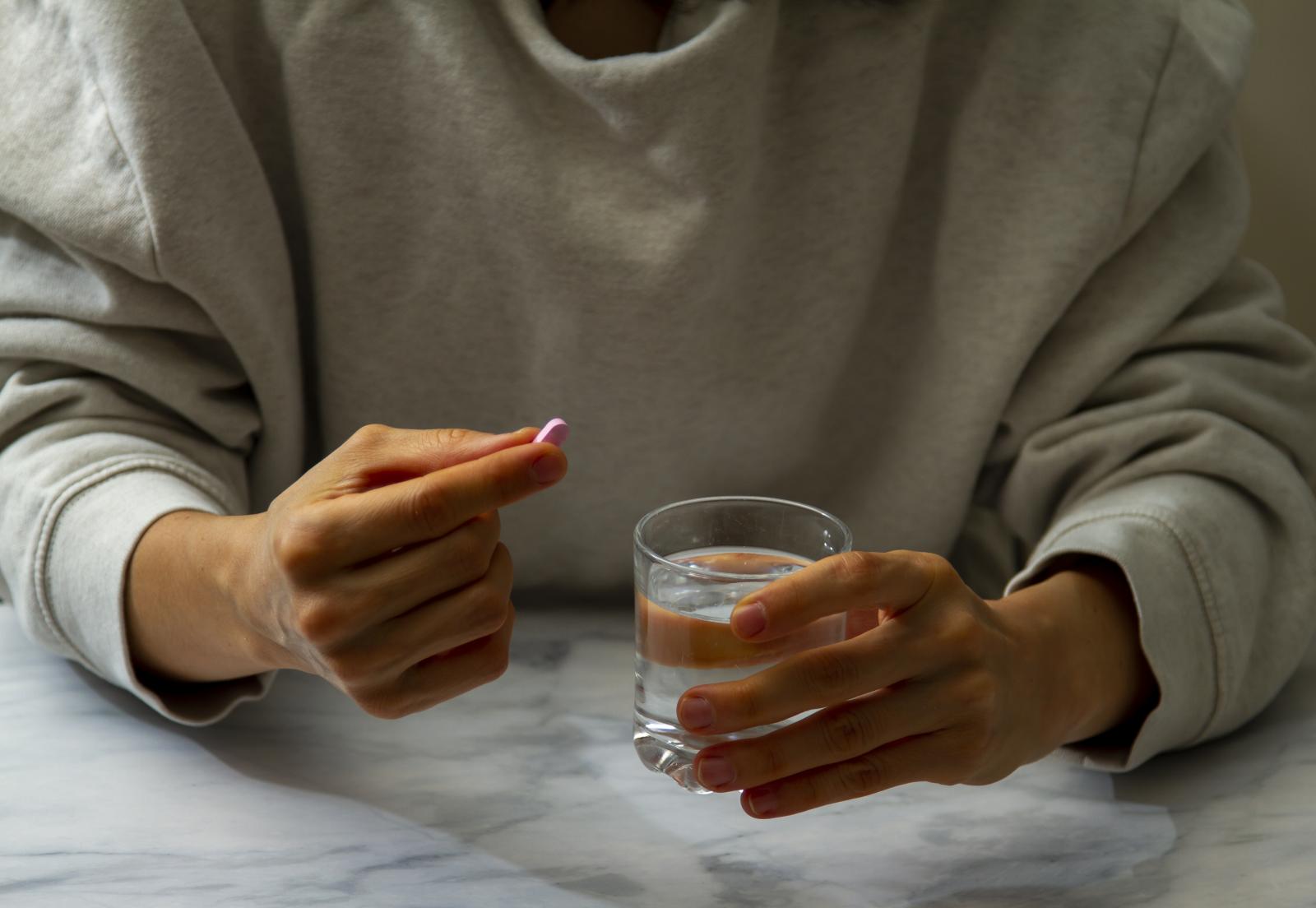

Hundreds of thousands of women across England have benefited from free access to the morning-after pill through community pharmacies since the NHS expanded the service nationwide.
New NHS data reveals that almost 305,000 doses of the emergency contraceptive pill were supplied free of charge through high street pharmacies between October 2025 and March 2026. The initiative removes the need for women to secure a GP or sexual health clinic appointment, enabling same-day access through a confidential consultation with a pharmacist or trained pharmacy technician.
The service forms part of the NHS's wider commitment to improving access to women's healthcare and reducing barriers to contraception. Women visiting participating pharmacies can receive advice on emergency contraception and discuss longer-term contraceptive options during the same appointment.
Community pharmacies are also playing an increasingly important role in providing routine contraceptive care. Since February 2024, pharmacy teams have carried out more than 1.2 million consultations supporting women who wish to continue taking the oral contraceptive pill. A further 192,000 consultations have been delivered for women starting oral contraception for the first time.
With approximately four in five people in England living within a 20-minute walk of a community pharmacy, NHS leaders believe pharmacy-led contraception services are helping to make healthcare more accessible, particularly in areas where accessing traditional services can be more challenging.
The figures also highlight the growing role of pharmacies in delivering preventative healthcare and supporting women's reproductive health closer to home.
Dr Sue Mann, NHS National Clinical Director for Women's Health, said:
"Making the emergency contraceptive pill free through NHS pharmacies was a major step forward for women’s health, giving women quicker and easier access to emergency contraception exactly when they need it – with no appointment, no waiting and no judgement.
“This service is already making a real impact, particularly for women living in more deprived communities, by making contraception easier to access closer to home.
“Crucially, this isn’t just about emergency contraception – community pharmacies can also help women start or continue the contraceptive pill, meaning they can leave with a longer-term plan, not just a one-off solution.”
The latest figures demonstrate how community pharmacies are becoming a cornerstone of accessible women's healthcare, helping to ease pressure on GP practices while ensuring women can obtain timely support when they need it most.
Image credit: iStock