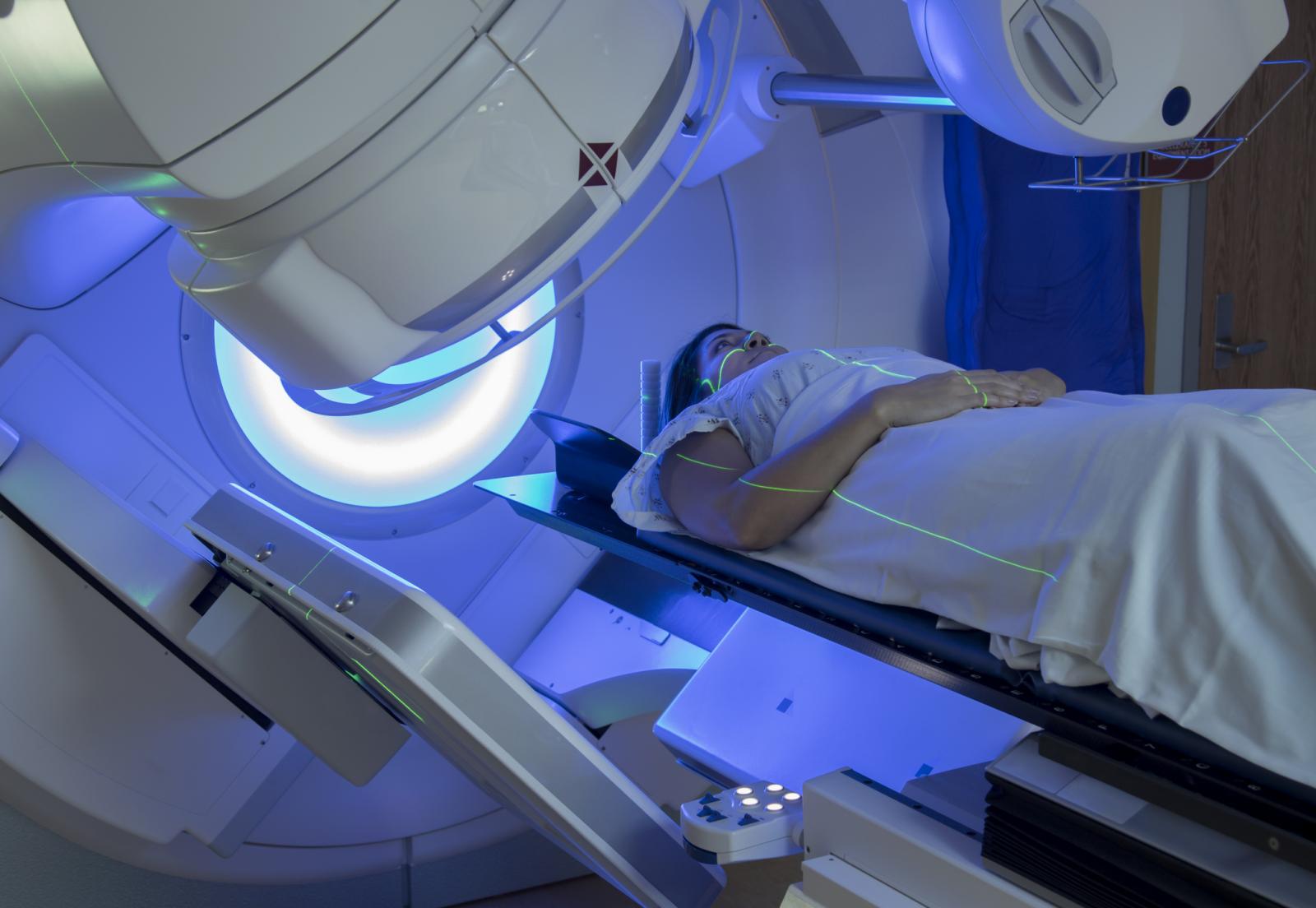

More than 1,000 women have now joined a major UK clinical trial that could dramatically reduce the number of hospital visits required for breast cancer radiotherapy, cutting treatment from three weeks to just five days.
The government-backed FAST-Forward Boost trial, currently running across 39 hospitals in the UK, is investigating whether a shorter radiotherapy schedule combined with an additional targeted dose, known as a "boost", can safely reduce treatment times while continuing to prevent breast cancer from returning.
The study is being led by The Institute of Cancer Research, London, and funded through the National Institute for Health and Care Research (NIHR). If successful, the approach could spare patients around 10 hospital visits, while also reducing travel costs, limiting time away from work and family, and helping the NHS treat more people with existing resources.
The milestone has been announced as the government intensifies efforts to improve cancer care through earlier diagnosis, innovation and stronger patient support.
A key part of that effort will see Ashley Dalton MP take on a new role advising on the delivery of the National Cancer Plan. Dalton, who is living with metastatic breast cancer, stepped down from her position as Parliamentary Under-Secretary of State for Public Health and Prevention on 2 March 2026 to focus on her health and manage the side effects of treatment.
Her appointment is intended to ensure that the voices and lived experiences of cancer patients remain central to policy decisions and future service improvements.
Health and Social Care Secretary Yvette Cooper said:
“This trial shows how the UK is using our world beating research capabilities to pursue huge improvements and transformations in cancer treatment for patients in our NHS.
“This programme is aiming to radically shorten the treatment times for breast cancer - to support patients and save more lives. The UK is home to some of the best medical research and clinical expertise in the world, and this trial is the latest example of what we can achieve when we bring them together.
“Better cancer care also means listening to those who know what it means to live with it.
“That’s why Ashley Dalton’s appointment as adviser on the National Cancer Plan is so important. Her personal experience of cancer, alongside her previous experience at the Department of Health and Social Care, will help ensure the Plan reflects the realities of people living with cancer.”
The announcement coincides with the end of Breast Cancer Awareness Month and comes alongside encouraging screening figures. Data shows that 63.6% of women attended their first breast screening appointment, the highest uptake recorded in the past decade.
Despite this improvement, around four in 10 women invited for screening for the first time still do not attend.
The government is therefore continuing to encourage greater participation in breast screening programmes, highlighting the role early detection plays in improving treatment outcomes and survival rates.
Ashley Dalton MP said:
“It’s a real honour to be appointed the Government’s Cancer Advisor. Publishing the National Cancer Plan was a huge professional and personal achievement of mine and I have been determined to ensure that the commitments in it are driven forward.
“Now I can do this in a more formal way, working directly with the responsible Minister, James Frith.
“My time as Health Minister taught me so much, and so has living with metastatic breast cancer. I want to use my experiences in the best way I can, to support the commitment in the National Cancer Plan that by 2035, 3 out of 4 people diagnosed with cancer will be cancer free or living well with cancer after 5 years.”
Alongside the radiotherapy trial, the government, NHS England and the NIHR are supporting the rollout of artificial intelligence technologies designed to improve the analysis of mammograms. Officials are also working with Breast Cancer Now over the next three years to help women recognise the signs and symptoms of breast cancer and access trusted support following treatment.
The National Cancer Plan sets out a long-term strategy to improve cancer outcomes by increasing early diagnosis rates, expanding access to innovative treatments and ensuring people living with cancer receive comprehensive care and support throughout their journey.
Image credit: iStock