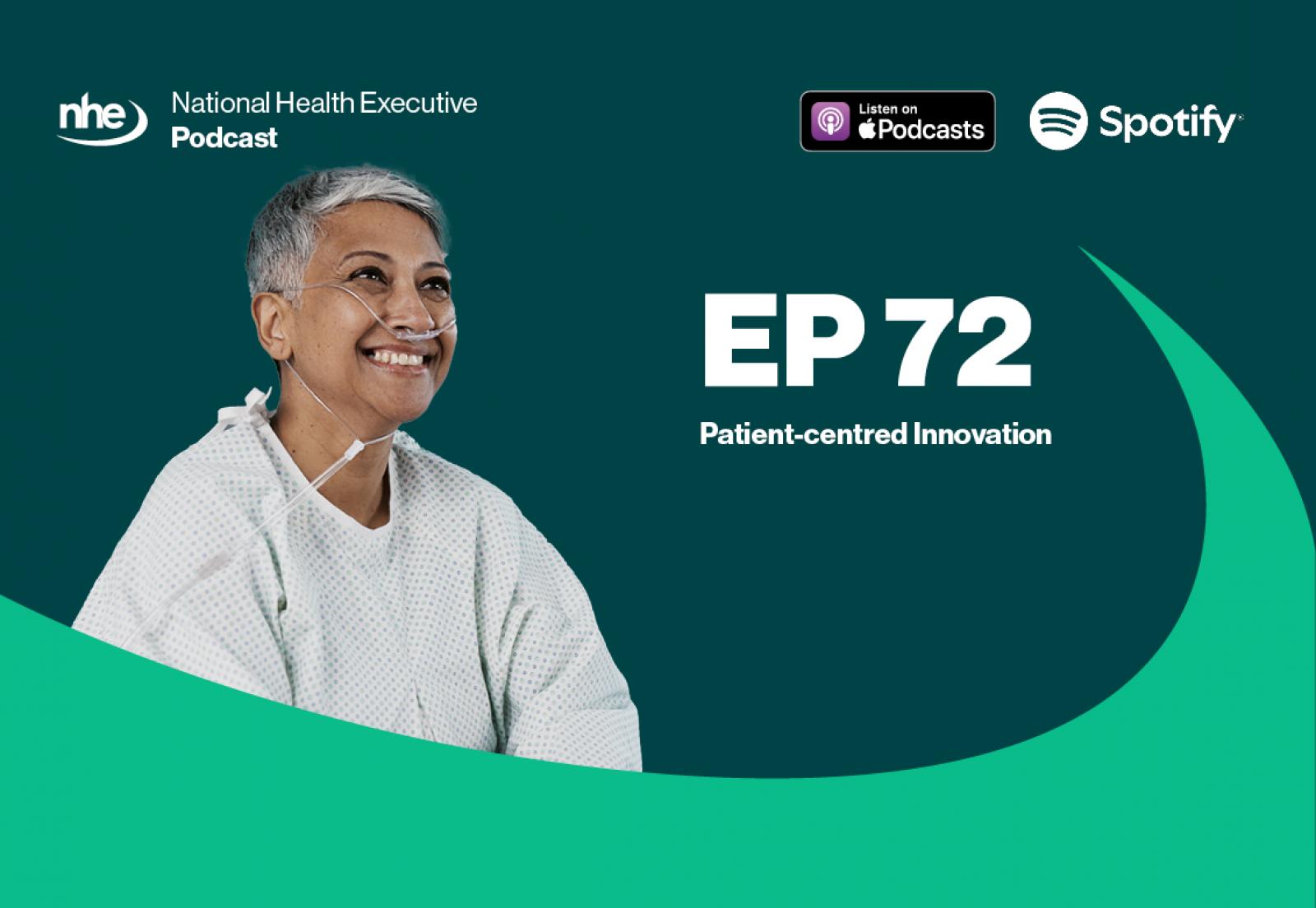

Innovation in healthcare is often pictured as a new machine, a digital tool or a major investment. But what if some of the most meaningful changes begin with a conversation? In this episode of the National Health Executive Podcast, Judith Hughes, Gary Perry and Haran Hussain join host Gail Emms to explore how co-design – creating services with patients, rather than simply for them – can improve care and help build a more sustainable NHS.
A recurring challenge is timing. NHS proposals can take shape and reach decision-makers before patients have had a real opportunity to influence them. By then, the broad direction may already be set, leaving teams trying to fit feedback around a decision that has effectively been made.
The panellists argue that patient involvement should begin much earlier: while the need is being understood and options are still open. Complaints, surveys, community feedback, staff insight and conversations with people who use services can all help identify what needs to change. But listening is only the beginning. Patients also want to know what their input led to. Closing that loop – explaining what was heard and what happened next – is essential to building trust.
One example discussed is the redesign of a stroke pathway, including rehabilitation. Talking with stroke survivors, support groups and local communities brought practical realities into view, including the impact of travel. Information such as heat maps can be useful, but it does not always capture the lived experience of getting to hospital, finding one’s way through a building or making repeated journeys for care.
That principle applies to all kinds of services. A pathway may look efficient on paper, yet fail to match how people actually behave or what they need. Haran Hussain describes this as following the “desire line”: the route people naturally take, rather than the one a designer assumes they should take. Small details—where supplies are placed, how appointments work or whether a service feels accessible—can determine whether a carefully planned approach succeeds.
The episode offers a striking example from renal care. Patients attending regular dialysis appointments were asked whether they would prefer to bring their own cup or blanket. These modest choices could make long visits feel more personal, while reducing reliance on disposable items and hospital linen. Conversations with patients and staff prompted further changes in practice. The renal units discussed reported savings of more than £2 million in 2025.
The lesson is not that one small adjustment alone produces every saving. It is that inviting patients and frontline staff to identify improvements can uncover opportunities that a top-down plan might miss. Co-design can support a more comfortable patient experience and contribute to environmental and financial goals at the same time.
There are real obstacles: time, resources, procurement rules and the risk of leaving marginalised communities out of the conversation. The panellists stress the importance of involving the people most affected, starting with an open mind and planning for change from the outset. They also challenge the assumption that co-design is an optional extra that slows progress. Done well, it can help services avoid designing solutions that do not work in practice.
So where should NHS teams begin? Ask what could be done differently. Find the patient-engagement and communications expertise already within the organisation. Look for examples of good practice, learn from other teams and make space for honest conversations about both what can change and what cannot.