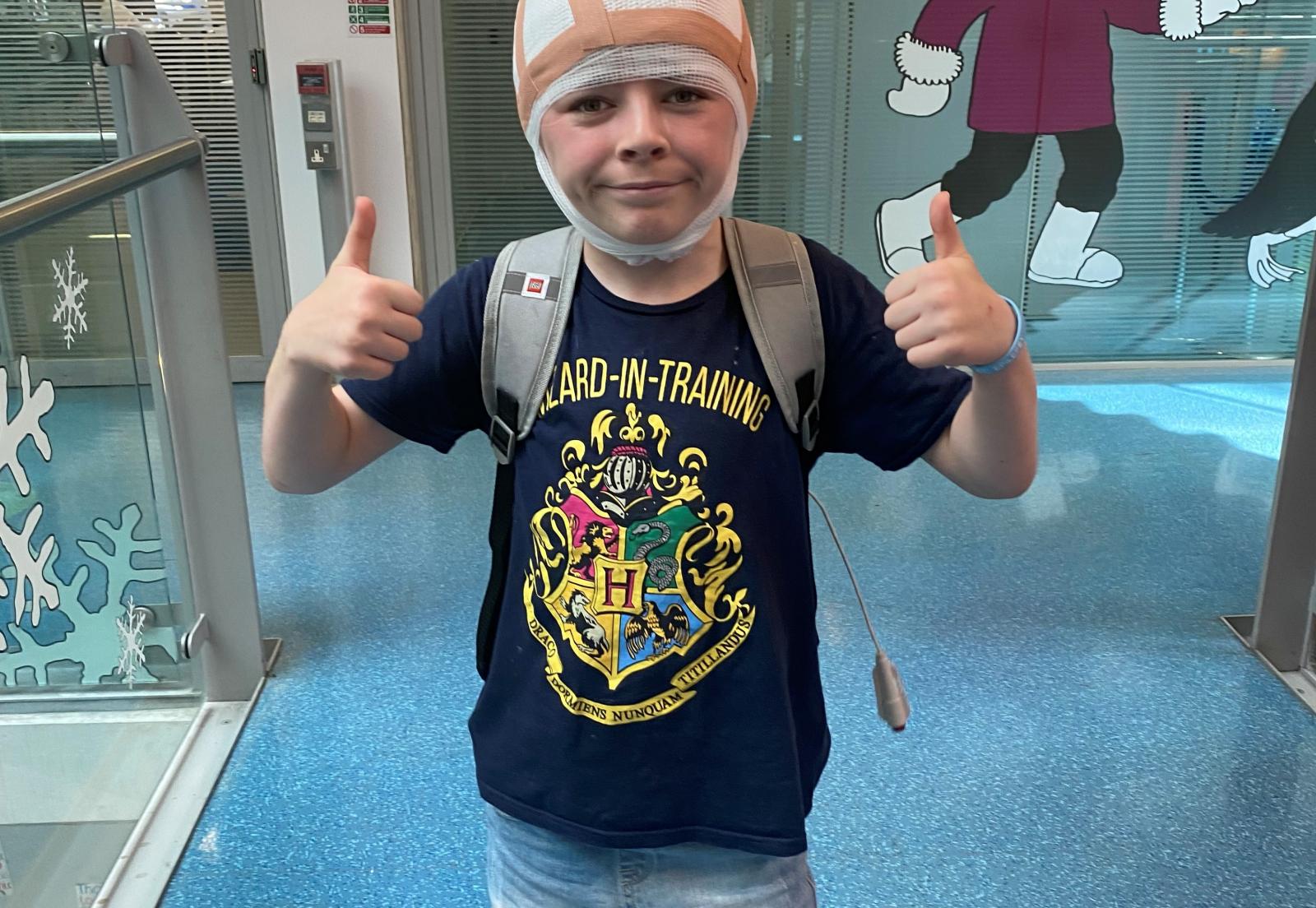

A new research collaboration involving Leo’s Angels, Young Epilepsy, the Epilepsy Research Institute, and the University of Exeter will examine the impact of fragmented healthcare records on children living with epilepsy, with the aim of improving outcomes and reducing pressures on families and the NHS.
The project has been launched by Leo’s Angels, the charity established in memory of Leo O'Brien, who died aged 11 from Sudden Unexpected Death in Epilepsy (SUDEP). Since its formation in 2025, the organisation has been raising £750,000 to support epilepsy research and initiatives designed to improve care for children and young people.
The new study will focus on how information relating to a child's epilepsy diagnosis and treatment is often spread across multiple health, education and social care systems. Researchers will assess both the financial implications and the human cost of disconnected records, making it the first study of its kind to investigate the issue in such detail.
The initiative was inspired by families who reported repeatedly having to explain their child's medical history to different professionals, often acting as the link between services while clinicians worked with incomplete information.
Over the next 12 months, researchers from the University of Exeter will convene a series of roundtable discussions involving parents, carers, young people, clinicians, epilepsy nurses, GPs, teachers and NHS data specialists. The findings will be used to quantify the annual cost of fragmented data for both families and the NHS and identify where better information sharing could deliver the greatest benefits.

Emma O'Brien, Leo's mother and Founder and CEO of Leo's Angels, said:
"I know how exhausting it can be to carry pieces of your child's story between different services, hoping that everyone has the information they need to look after them. It doesn't just impact the family, but we also believe there are wider effects in terms of the quality of care and the child's outcomes.
"The study forms part of our wider commitment to bring lived experience, research, technology, and relevant partners together to drive meaningful change. We are very pleased both charities and the university have agreed to partner with us for this project, and feel sure it will have a positive impact upon children, their families, and the wider NHS going forward."
The research team hopes the evidence generated will strengthen the case for more integrated approaches to data sharing and care coordination for children with epilepsy.
Dr Caroline Farmer, Senior Research Fellow for the University of Exeter added:
"If children with epilepsy are suffering because services are not joined up, our research will highlight the scale of the problem and reinforce the urgent need for a more connected approach to care and protect lives."
The study has also received backing from leading epilepsy charities and research organisations, which believe the findings could help shape future improvements in service delivery.
Dr Lara Carr, Director of Research at the Epilepsy Research Institute, said:
"We are delighted to be involved in this important research, which addresses a significant challenge in epilepsy care. By quantifying the human and economic impact of fragmented data across health, education and social care pathways, this project will generate vital evidence to help drive improvements in care for children and young people with epilepsy and their families."
Dr Jowinn Chew, Head of Research at Young Epilepsy, said:
"Leo’s story is a powerful reminder of why this work matters. No family should have to carry the responsibility of joining up their child’s care or repeatedly making sure that vital information follows them between different services.
"This important research gives us an opportunity to understand the impact fragmented information can have on children, young people and their families and build the evidence needed to make the case for more joined-up care.
"Our role will lie in bringing our research expertise to the project while helping to ensure the voices of young people and healthcare professionals are part of that evidence. Ultimately, this is about helping create a system where the right information is available to the right people, so children and young people with epilepsy can receive the best possible care."
The findings are expected to provide valuable insight into how better-connected data systems could improve care coordination, reduce administrative burdens and support safer outcomes for children and young people living with epilepsy across the UK.
Image credits: Make More Noise