
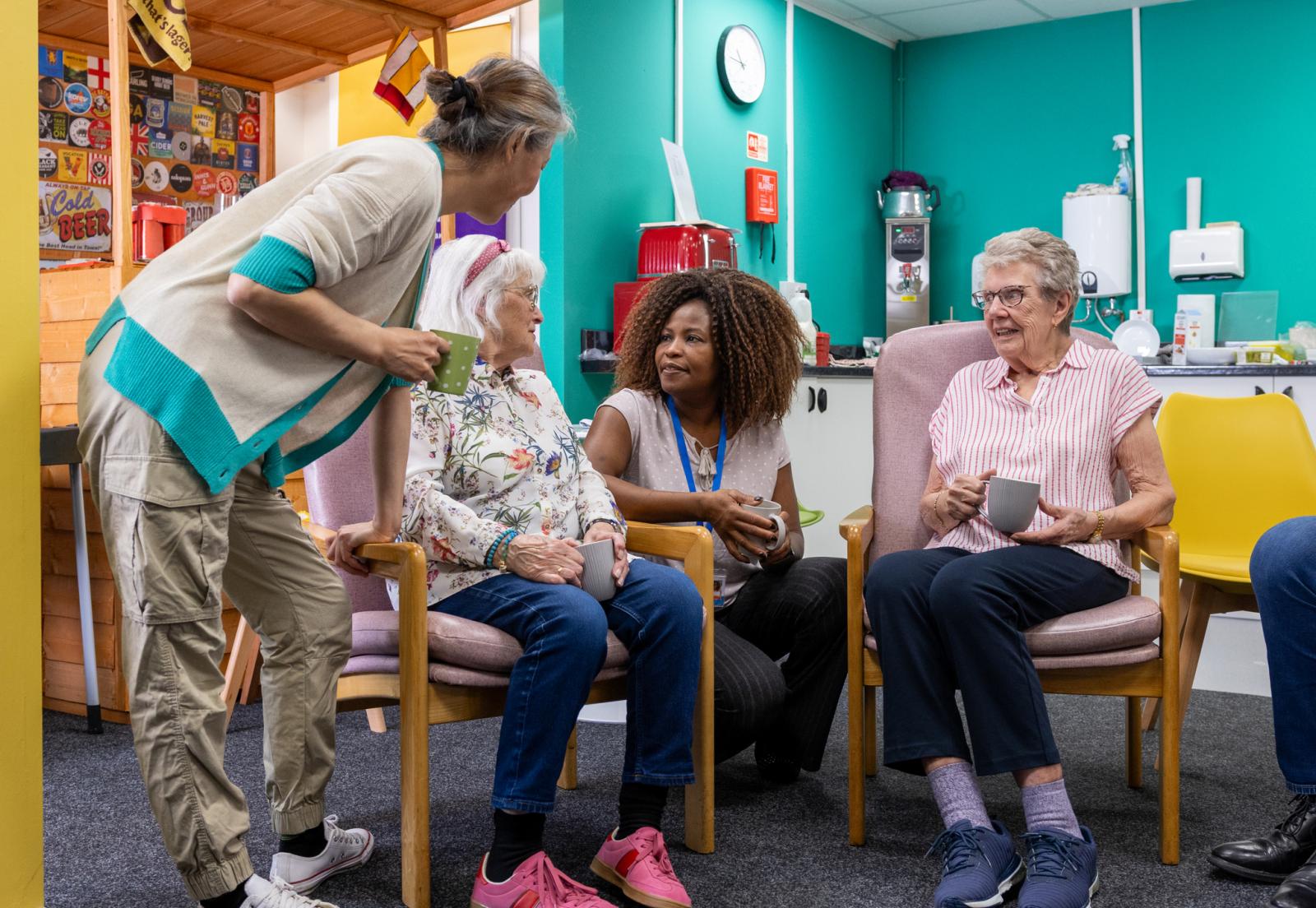

Thousands of people receiving care at home could soon benefit from more familiar carers and better continuity of support under new government plans to reorganise social care around local neighbourhoods.
The proposals will encourage councils to commission homecare services across smaller geographic areas, with one or two primary providers responsible for each neighbourhood. Ministers believe the move could improve the quality of care, strengthen relationships between carers and those they support, and reduce the amount of time spent travelling between appointments.
New guidance and practical toolkits will be published in the spring to help local authorities adopt neighbourhood-based homecare commissioning models. The government has also pledged to work closely with councils in the months ahead to monitor progress and support implementation.
For care workers, the changes could mean spending most of their working day within a much smaller locality rather than travelling long distances between visits. For people receiving care, it offers a greater likelihood of seeing the same carers regularly, helping to build trust and improve personalised support.
The government argues that having familiar carers can lead to better outcomes, as staff are more likely to recognise changes in a person's health, wellbeing or circumstances and intervene before issues become more serious.
Currently, many local authorities commission individual care visits from several providers operating across large areas. This can result in service users seeing numerous carers throughout the week, while staff spend significant amounts of time travelling from one appointment to the next.
Research carried out by the Health Innovation Network South West examined care rounds across six providers in Bristol and found that reorganising existing visits into neighbourhood-based geographical zones could potentially deliver the same level of care using 35 per cent less staff time and 65 per cent less driving.
Minister of State for Social Care and Mental Health Alison McGovern said:
“We have a growing, ageing population and an NHS facing significant pressures. We are turning it around, but our NHS is at risk of being overburdened. Our National Care Service is the answer, and neighbourhood commissioning is a step towards this.
“Commissioning social care by neighbourhoods will help people stay well, independent and at home for longer. Homecare will be more personalised, and people will see familiar carers who understand their needs and priorities. Carers won’t travel as far, saving time instead of rushing from visit to visit and carrying out set tasks in an impersonal way.
“Under our plans, social care will work in lockstep with our NHS, better care at home means fewer unnecessary trips to hospital. We will work with councils and our NHS to deliver more care in our community, care that is proactive, planned and preventative, as we continue to lay the foundations for our National Care Service.”
The neighbourhood commissioning model forms part of the government's wider 10-Year Health Plan, which aims to shift more health and care services out of hospitals and into local communities.
The approach mirrors wider plans for neighbourhood health services, bringing together GP practices, local authorities, social care providers and voluntary sector organisations to deliver more integrated support closer to where people live.
The announcement follows a recent commitment of £40 million to help GP practices provide enhanced support for around 300,000 vulnerable patients, with the aim of reducing avoidable hospital admissions and preventing serious illness through earlier intervention.
Ministers also say the reforms are part of a broader programme to overhaul adult social care. Plans include the establishment of a fully funded National Care Service, which would provide free personal care for older people based on need rather than ability to pay and operate according to principles similar to those underpinning the NHS.
Alongside neighbourhood commissioning, the government has outlined several measures designed to strengthen the care sector, including:
- An additional £4.6 billion in funding for local authorities by 2028-29 compared with 2025-26 levels.
- The creation of the first-ever Fair Pay Agreement for care workers.
- Development of a long-term adult social care workforce plan.
- Accelerating Baroness Casey's review of adult social care by a year.
- Establishing a new safeguarding board.
- Developing fast-track care pathways for people with motor neurone disease.
- Appointing a dedicated dementia tsar.
For local authorities, care providers and NHS partners, the proposals signal a significant shift towards more localised, preventative and person-centred care delivery, with neighbourhood commissioning expected to play a central role in future social care reform.
Image credit: iStock