
The National Institute for Health and Care Excellence has published draft guidance recommending wider use of hydrophobic lenses during cataract surgery, a move which could reduce complications, improve long-term patient outcomes and save the NHS hundreds of thousands of pounds annually.
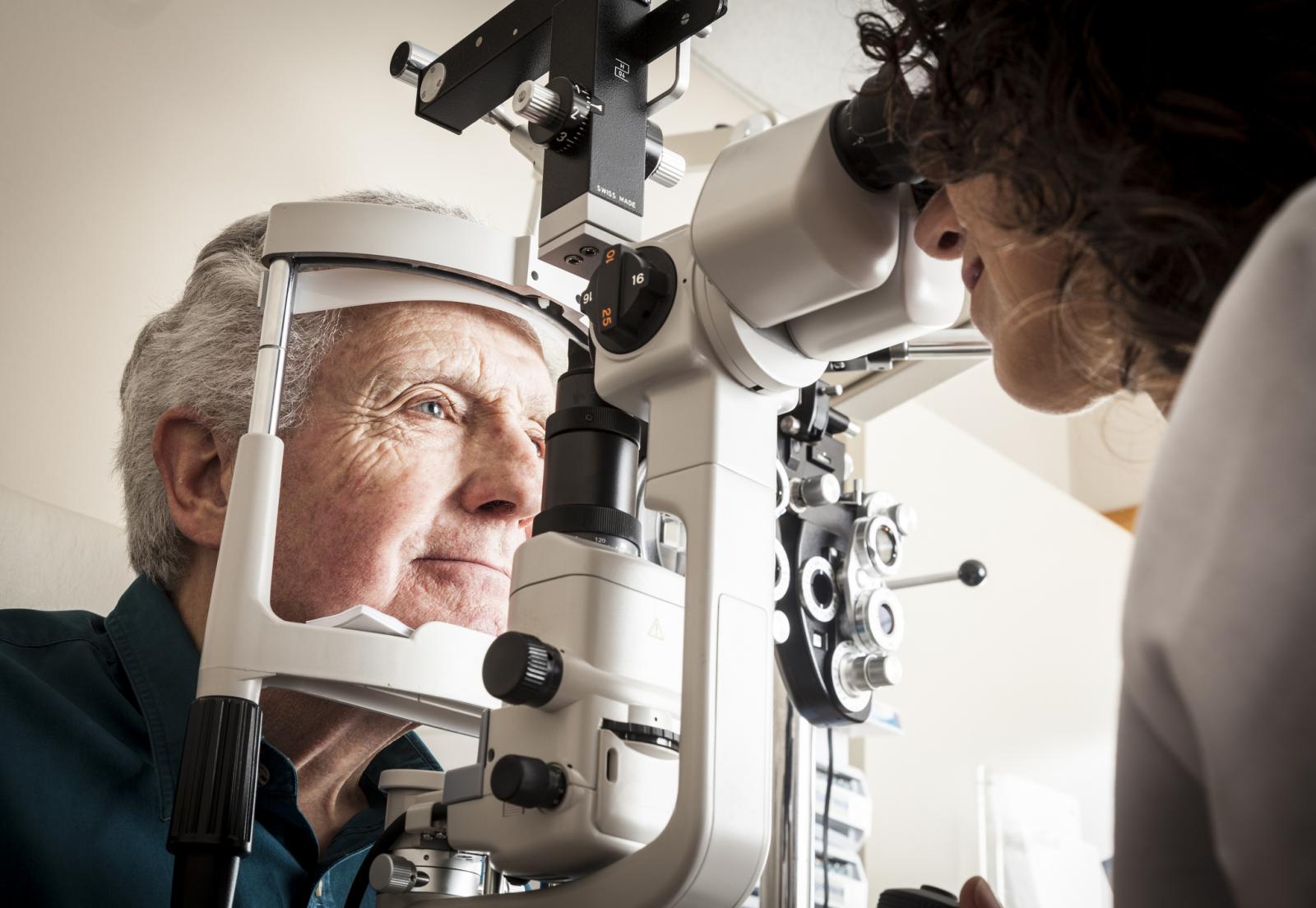
Cataract surgery remains the most commonly performed surgical procedure in the NHS, with more than 681,400 operations carried out in 2023. While the procedure is highly successful, some patients go on to develop clouding behind the artificial lens that replaces the eye’s natural lens during surgery.
This complication, known as posterior capsular opacification (PCO), can occur several years after surgery and causes vision to become cloudy or blurred again. In some cases, patients report their sight deteriorating to a level worse than before their cataract was removed, affecting daily life, independence and confidence. Treatment typically requires a follow-up laser procedure.
After reviewing the available evidence, NICE has concluded that hydrophobic intraocular lenses are associated with a significantly lower risk of developing PCO compared with hydrophilic lenses over follow-up periods of two years or more.
Although hydrophobic lenses are already widely used across the NHS, NICE believes increasing their use further could deliver meaningful benefits for both patients and healthcare services.
According to NICE modelling, increasing the use of hydrophobic lenses by just five percentage points from the estimated 71.7% usage rate reported in 2023 could prevent around 950 cases of PCO every year. The change could also avoid 1,908 healthcare appointments annually and generate savings of approximately £472,000 for the NHS in England.
Dr Anastasia Chalkidou, HealthTech programme director at NICE, said:
“Cataract surgery can make an enormous difference to people's lives, so we want people to get the best possible results from it for as long as possible. Hydrophobic lenses are already widely used, but the evidence suggests increasing their use could mean fewer people experiencing cloudy or blurred vision in the years after their operation.
“Even a relatively small increase in their use could each year avoid around 950 cases and almost 2,000 healthcare appointments.
"We're also recommending that some people are considered for enhanced lenses where improved vision at arm's length would make a difference to their everyday lives, whether that's working on a computer, seeing a car dashboard or cooking.”
The draft guidance also highlights the potential role of enhanced monofocal lenses, which can improve intermediate vision while maintaining distance vision.
NICE is recommending that these lenses should be considered for people whose lifestyles or daily activities would benefit from clearer vision at arm’s length, such as when using a computer, reading a vehicle dashboard or preparing meals. The organisation says patients should be fully informed about the benefits and limitations of these lenses and involved in a shared decision-making process with their healthcare professional.
The guidance further recommends that artificial lenses used during cataract surgery should have a square-edged design rather than a rounded edge. Square-edged lenses are already routinely used within the NHS because of their association with a lower risk of developing PCO.
Cataracts develop when the eye’s natural lens becomes cloudy, leading to blurred vision and, if left untreated, eventual sight loss. Surgery involves removing the affected lens and replacing it with an artificial alternative designed to restore vision.
NICE hopes the latest recommendations will help more patients achieve lasting improvements in sight while reducing the need for additional treatment and follow-up appointments.
Image credit: iStock