
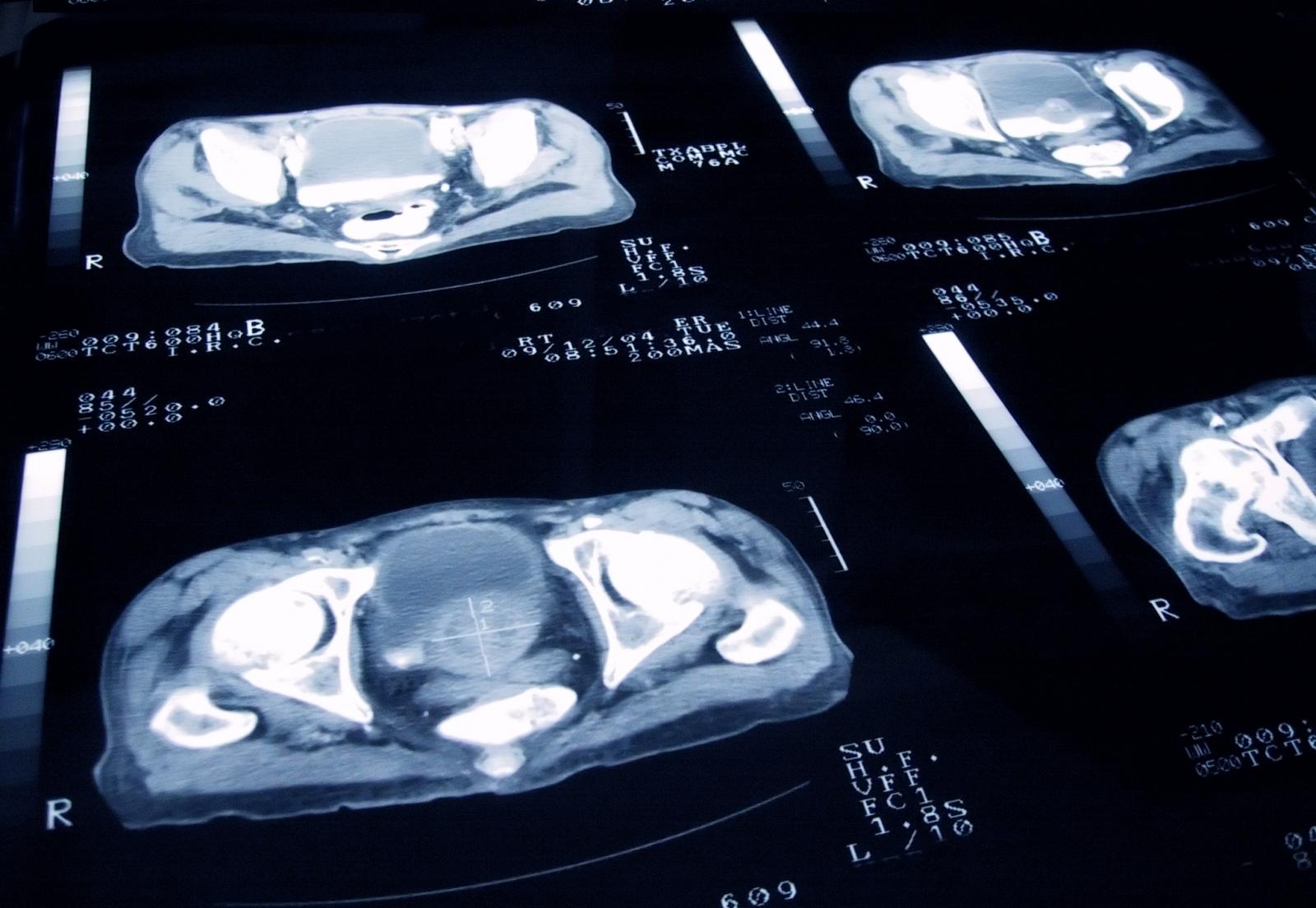

New artificial intelligence technologies could help NHS radiologists identify prostate cancer more accurately and consistently from MRI scans, following draft guidance published by the National Institute for Health and Care Excellence.
The recommendations come as prostate cancer diagnoses continue to rise across England, with more than 58,000 new cases recorded in 2023. At the same time, increasing demand for MRI imaging is placing significant pressure on radiology departments already facing workforce and capacity challenges.
NICE has proposed that five AI-powered technologies should be made available across the NHS during a two-year evidence-generation period to support clinicians in detecting clinically significant prostate cancer on MRI scans.
The technologies recommended are:
- AI-Rad Companion Prostate MR
- DeepHealth Prostate
- ProstatID
- Prostate Intelligence (Pi)
- QP-Prostate
These tools are designed to assist radiologists by highlighting areas of concern on MRI scans, helping improve the accuracy and consistency of reporting while reducing the risk of missed abnormalities.
Importantly, the technologies are intended to support clinical decision-making rather than replace specialist expertise.
MRI scans play a critical role in the prostate cancer diagnostic pathway. They help clinicians assess whether cancer is likely to be present and determine whether further investigations, such as a biopsy, are required.
Not all prostate cancers need immediate treatment. Many low-risk tumours can be safely monitored over time. Accurate MRI interpretation is therefore essential in distinguishing patients who require intervention from those suitable for active surveillance.
With increasing numbers of patients requiring scans, NICE believes AI could help radiology departments improve productivity and prioritise cases more effectively.
NICE's independent committee concluded that the technologies show promising potential, particularly in healthcare settings where specialist prostate MRI expertise may be limited.
The software can identify and outline suspicious lesions, classify levels of risk and generate additional information to support radiologists during image interpretation.
However, the committee also noted that current evidence remains limited, with mixed findings across studies. Further real-world NHS data is required to assess diagnostic accuracy, patient outcomes, workflow impact, cost effectiveness and performance across diverse patient populations.
Dr Adrian Hayter, GP and Chief Medical Officer at NICE:
“These tools could help radiologists identify clinically significant prostate cancer more accurately and consistently, while helping NHS services manage growing demand for scans.
“They would support, not replace, radiologists, who would still review the scan and the AI results before any decisions about patient care.”
Dr Anastasia Chalkidou, programme director for HealthTech at NICE, said:
“These AI technologies have the potential to act like a second pair of eyes, helping radiologists review prostate MRI scans.
"They have the potential to make MRI reporting more accurate and could help identify people whose scans need priority review.
"Our committee concluded that the technologies can be used in the NHS while further evidence is collected on how they perform in routine practice and across different groups of patients."
While five products received provisional backing, NICE did not recommend hProstate or mdprostate for NHS funding after finding no available evidence demonstrating their clinical effectiveness or value for money.
The draft guidance and evidence-generation plan are now open for consultation, with responses set to inform NICE's final recommendations.
As the NHS continues to explore how AI can support diagnostic services, the prostate MRI programme could become an important test case for the wider adoption of clinical decision-support technologies across healthcare.
Image credit: iStock