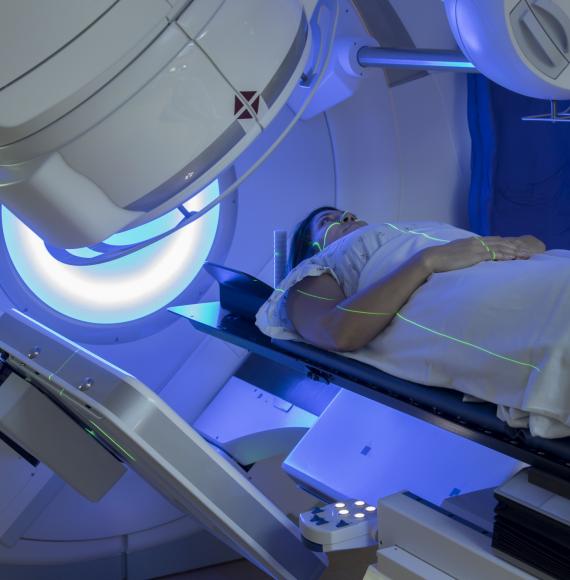
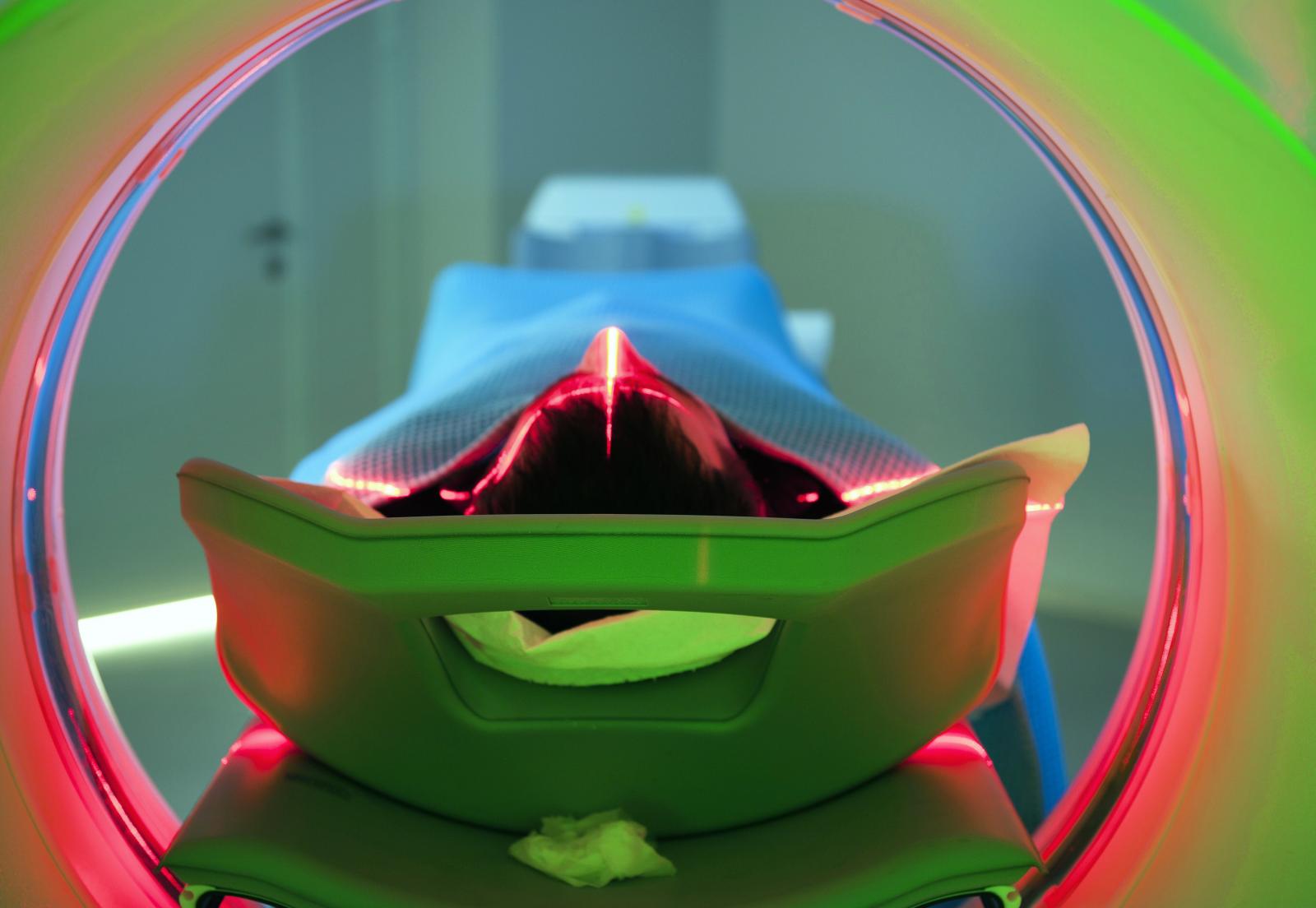

A patient at Leeds Teaching Hospitals NHS Trust has become the first person in the world to receive radiotherapy planned using groundbreaking reirradiation software tools developed through a decade-long collaboration between NHS clinicians, university researchers and industry partners.
The milestone marks a significant step forward for cancer treatment, offering clinicians new ways to safely plan radiotherapy for patients who require treatment in parts of the body that have previously been exposed to radiation.
Developed by experts from Leeds Teaching Hospitals NHS Trust, the University of Leeds, and radiotherapy software specialist RaySearch, the advanced planning tools are designed to support the complex clinical decisions involved in reirradiation, helping clinicians better balance the need to treat cancer while protecting healthy tissue.
Nearly half of all cancer patients in the UK receive radiotherapy as part of their treatment. However, when cancer returns or a new cancer develops in an area previously treated with radiation, clinicians face a significant challenge.
Known as reirradiation, a second course of radiotherapy can be difficult to deliver because healthy tissues have a lifetime limit on how much radiation they can safely receive. Exceeding those limits can increase the risk of long-term complications including chronic pain, scarring, nerve damage, organ dysfunction and delayed healing.
Until now, radiotherapy treatment planning systems have offered limited support for clinicians undertaking these highly specialised assessments.
The newly developed software addresses this challenge by calculating the total amount of radiation a patient has received across both their original treatment and proposed reirradiation course.
This allows clinical teams to assess cumulative radiation exposure in far greater detail when designing treatment plans. By understanding precisely how much radiation different tissues have already absorbed, clinicians can develop more targeted treatment approaches while reducing the risk of damaging healthy organs and structures.
The technology has now been incorporated into the latest version of RaySearch's radiotherapy treatment planning platform, making the tools available to clinicians and scientists beyond Leeds.
The first patient treated using radiotherapy designed with the new software has completed a course of five treatment sessions at Leeds Cancer Centre.
The development follows more than ten years of research led by specialists in Leeds, whose work has helped shape international understanding of how reirradiation can be delivered more safely and effectively.
The collaboration between NHS clinicians, academic researchers and industry partners demonstrates how translational research can move from scientific investigation into real-world patient care.
For NHS cancer services, the innovation could lead to more consistent treatment planning, improved patient outcomes and enhanced opportunities for future radiotherapy research.
John Lilley, Head of External Beam Radiotherapy Physics at Leeds Teaching Hospitals NHS Trust, said:
“Accounting for the previous radiotherapy when planning a new course is extremely challenging. Alongside our colleagues from the University of Leeds, we have been working for over ten years on the research that has underpinned the development of these new tools, and I am delighted that they are now available to teams in other hospitals. The tools will also give future radiotherapy trials better information about how changing the way that reirradiation is delivered influences the patients’ outcomes.”
As cancer survival rates continue to improve, increasing numbers of patients may require further radiotherapy later in life. Innovations that improve the safety and effectiveness of reirradiation could help oncology teams offer treatment options to patients who may previously have faced greater clinical risk.
The introduction of these tools also highlights the growing role of advanced software, clinical data analysis and research partnerships in supporting precision medicine across the NHS.
For cancer centres across the UK, the availability of these tools through RayStation® could help standardise and enhance one of the most complex areas of radiotherapy planning, while creating better evidence for future clinical trials and treatment protocols.
Image credit: iStock