

The government has unveiled a £40 million initiative designed to help GP practices provide proactive care to up to 300,000 of England's most vulnerable patients this winter, in a move aimed at reducing avoidable hospital admissions and easing pressure on NHS services.
The new funding package will enable Primary Care Networks (PCNs) to identify and support patients most at risk of becoming seriously unwell during the winter months. Those eligible include people living with heart disease, frailty, emphysema and chronic obstructive pulmonary disease (COPD).
Under the scheme, GP teams will offer personalised interventions such as medication reviews, health checks, home assessments and nurse-led respiratory clinics, helping patients remain well at home and reducing the likelihood of emergency hospital admissions.
The programme forms part of a broader government strategy to strengthen NHS resilience ahead of another challenging winter period, while continuing efforts to shift care closer to patients' homes and reduce pressure on overstretched emergency departments.
Keeping Patients Well at Home
Announcing the initiative, Prime Minister Andy Burnham stressed the importance of preventative community care in reducing demand on hospitals.
Prime Minister Andy Burnham said:
“If we want to take the pressure off our hospitals this winter, we've got to keep people well at home. So we're backing GPs to reach the most vulnerable people early, before a small problem turns into a trip to A&E.
"People deserve the right care in the right place. And our NHS staff, who work so hard, deserve the right tools to provide it.”
"I'm not going to pretend this winter will be easy. But with new technology, upgrades for hospitals and more care available closer to home, we'll make sure the NHS is there for everyone when they need it."
Practices will receive £126 for every eligible patient supported through the programme, providing targeted funding to deliver proactive care where it can have the greatest impact.
Supporting General Practice Through Winter
Health Secretary Yvette Cooper described the programme as a practical step towards improving both patient care and NHS performance during periods of increased seasonal demand.
Secretary of State for Health and Social Care Yvette Cooper said:
“This practical plan helps GPs and local teams to provide more support for the frailest patients in the community to keep them well through the winter months - that is better for patients and means they are also less likely to need hospital care.
"After such a heavy summer for our NHS as a result of the heat, everyone is working together to prepare for more challenging winter pressures. That includes the roll out of flu vaccinations, investing in extra urgent care capacity and strengthening partnerships with social care.
"With thousands more GPs in post and millions more GP appointments this year, the £40m programme to support vulnerable patients in the community is part of our plan to help patients, improve primary care and also to support our NHS through the heavier winter months."
The announcement comes as NHS England reports significant growth in primary care capacity. There are now more than 2,800 additional GPs compared with July 2024, taking the total number of fully qualified full-time equivalent GPs to more than 30,500, the highest number in over a decade.
Over the past year, GP practices have delivered more than 400 million appointments, approximately 24 million more than during the equivalent period before July 2024.
A Greater Role for Primary Care
NHS leaders believe general practice is uniquely placed to identify patients at risk and intervene before conditions deteriorate.
Dr Amanda Doyle, National Director for Primary Care and Community Services at NHS England, said:
“GPs and their teams are delivering record numbers of appointments this year, and with their role at the heart of communities, they are perfectly placed to spot patients at greatest risk of becoming very unwell.
“By offering more support to our most vulnerable patients such as home assessments to prevent falls, we will help keep them well and prevent them ending up in hospital this winter."
Sector leaders have broadly welcomed the funding while calling for longer-term investment in proactive neighbourhood-based care.
Professor Andy Brooks, Clinical Chair, National Association of Primary Care (NAPC), said:
“We welcome this investment, and the ambition here is right. Proactive, personalised care for the people most at risk is where general practice adds great value, and NAPC will be supporting practices to make the most of the opportunity that this scheme offers. This is a valuable first step, and we’d like to see national policy go even further. We look forward to working with the government to learn from this scheme and build sustainable, lasting proactive care within neighbourhoods.”
Ruth Rankine, Director of Primary Care, Community and Neighbourhood Health at the NHS Alliance, said:
“Practices know which of their patients are most at risk this winter. This funding gives them the capacity to act early, with medication reviews, health checks and support for people with frailty and long-term conditions, before problems turn into hospital admissions. That’s better for patients and better for the NHS. It also moves care closer to home, where it should be. The next step is to make this kind of proactive care a permanent part of how neighbourhood health is funded and delivered.”
Part of Wider NHS Winter Preparations
The £40 million investment sits alongside a wider package of measures to strengthen NHS services during winter.
More than 13.6 million people in England had received their flu vaccination by 1 November, around 300,000 more than at the same point last year. Vaccination rates among school-aged children have also risen significantly, with 2.4 million children vaccinated, almost half a million more than the previous year.
Additional winter preparedness measures include:
- £190 million allocated to help manage winter pressures.
- £140 million invested in 14 urgent care schemes.
- 25 new or expanded urgent care sites opening this winter.
- Nearly 2,000 new or replacement frontline ambulances delivered since July 2024.
- A further 125 CT and MRI scanners operational across the NHS since March 2024.
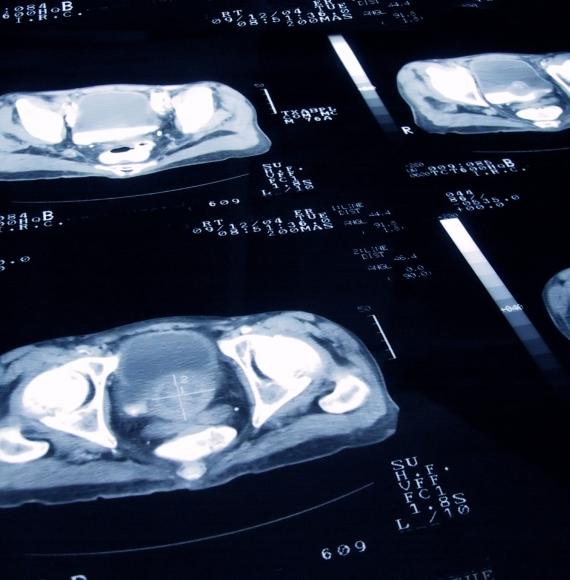
- One million additional diagnostic scans delivered through investment in imaging technology and AI.
Among the new facilities is a £29 million same-day emergency care (SDEC) unit at William Harvey Hospital in Ashford, Kent, which is expected to accommodate an additional 60 patients daily.
East Kent Hospital Trust’s Chief Nursing and Midwifery Officer, Sarah said:
“The SDEC units will help us to provide a faster and more convenient alternative for patients to see a team of experts immediately, and receive rapid assessment, diagnosis and treatment – allowing them to be home again the very same day. This is also a positive milestone for our staff as it supports our work to reduce corridor care, and relieve the pressure on our Emergency Departments.”
As the NHS enters what is traditionally its busiest period, the government is betting that greater investment in preventative primary care will reduce demand on hospitals and improve outcomes for some of England's most vulnerable patients.
Image credit: iStock