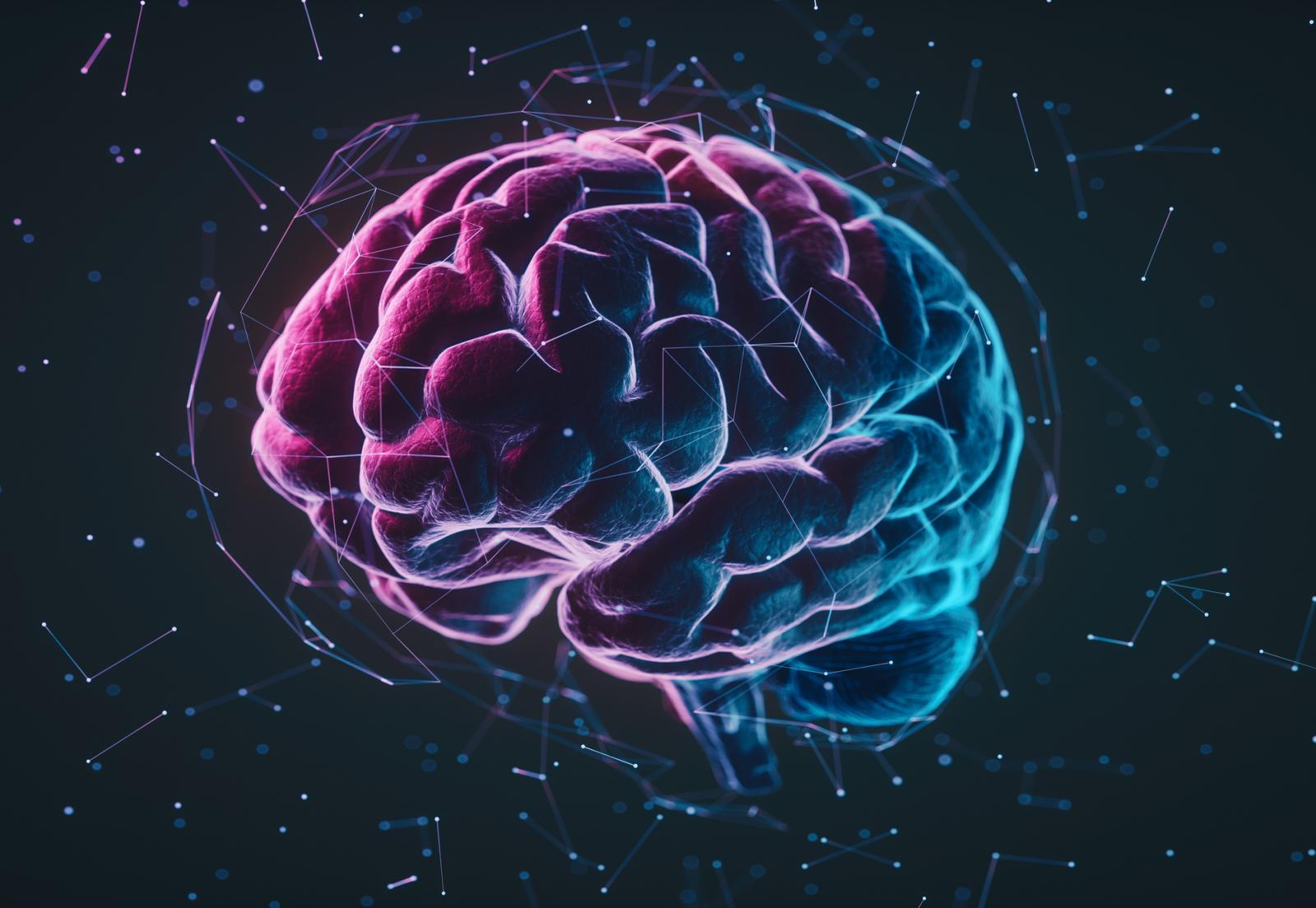

A major new research centre bringing together some of the UK's leading experts in neuroscience, genetics and child health has been launched to uncover how the human brain develops from the earliest stages of life.
The new Medical Research Council (MRC) Centre of Research Excellence (CoRE) for Human Neural Development will unite specialists from King’s College London, University College London (UCL) and The University of Manchester in a landmark programme designed to close critical gaps in understanding how the brain develops from pregnancy through to early childhood.
Backed by up to £50 million in MRC funding over the next 14 years, the centre aims to reveal the biological mechanisms that drive healthy brain development and identify how disruptions in these processes contribute to neurological and neurodevelopmental conditions.
A key focus of the initiative will be translating scientific discoveries into practical clinical benefits. The University of Manchester will lead the centre’s clinical translation programme, helping to ensure breakthroughs in research are rapidly converted into new interventions, treatments and improved outcomes for children and families.
The clinical translation programme will be led by Professor Shruti Garg, Centre Translational Lead and Deputy Director at The University of Manchester. Working closely with Royal Manchester Children’s Hospital (RMCH) and Saint Mary’s Hospital, both part of Manchester University NHS Foundation Trust (MFT), Professor Garg will oversee efforts to bring laboratory discoveries closer to patient care.
Professor Garg, who is also an Honorary Consultant in Child and Adolescent Psychiatry at RMCH, said:
“Manchester’s research will focus on understanding how changes in brain development affect children with genetic conditions, helping to identify those most likely to experience neurodevelopmental difficulties earlier, and accelerating the development of new interventions and treatments.
“By bringing together expertise from across the Centre, our ambition is to identify infants most likely to develop a neurodisability earlier than ever before, to understand when intervention will be most effective, and develop treatments that can improve outcomes for children and families with rare genetic conditions across the country.”
Researchers in Manchester will build on internationally recognised expertise in neurofibromatosis type 1 (NF1), rare genetic conditions and childhood epilepsies. The work is expected to provide crucial insights into how differences in brain development emerge and how earlier intervention could improve long-term outcomes.
The programme will also benefit from the expertise of Professor Siddharth Banka, Co-Lead Investigator within the MRC CoRE for Human Neural Development. Professor Banka is Professor of Genomic Medicine and Rare Diseases at The University of Manchester and Consultant Clinical Geneticist at Saint Mary’s Hospital.
The centre will utilise some of the most advanced technologies available in neuroscience research, including prenatal and postnatal brain imaging, laboratory-grown miniature brain tissue models known as organoids, and artificial intelligence-powered analysis.
Researchers hope these tools will unlock new understanding of the development of the cerebral cortex, the brain region responsible for language, planning, reasoning and creativity.
By combining laboratory discoveries with clinical research, the centre aims to identify measurable markers of healthy brain development that can be monitored in babies and young children. These biomarkers could help clinicians assess development more accurately and accelerate the testing of new therapies and interventions.
The initiative represents one of the most ambitious investments in developmental neuroscience ever undertaken in the UK and could pave the way for earlier diagnosis, targeted treatments and better lifelong outcomes for children affected by neurological and rare genetic conditions.
Image credit: iStock