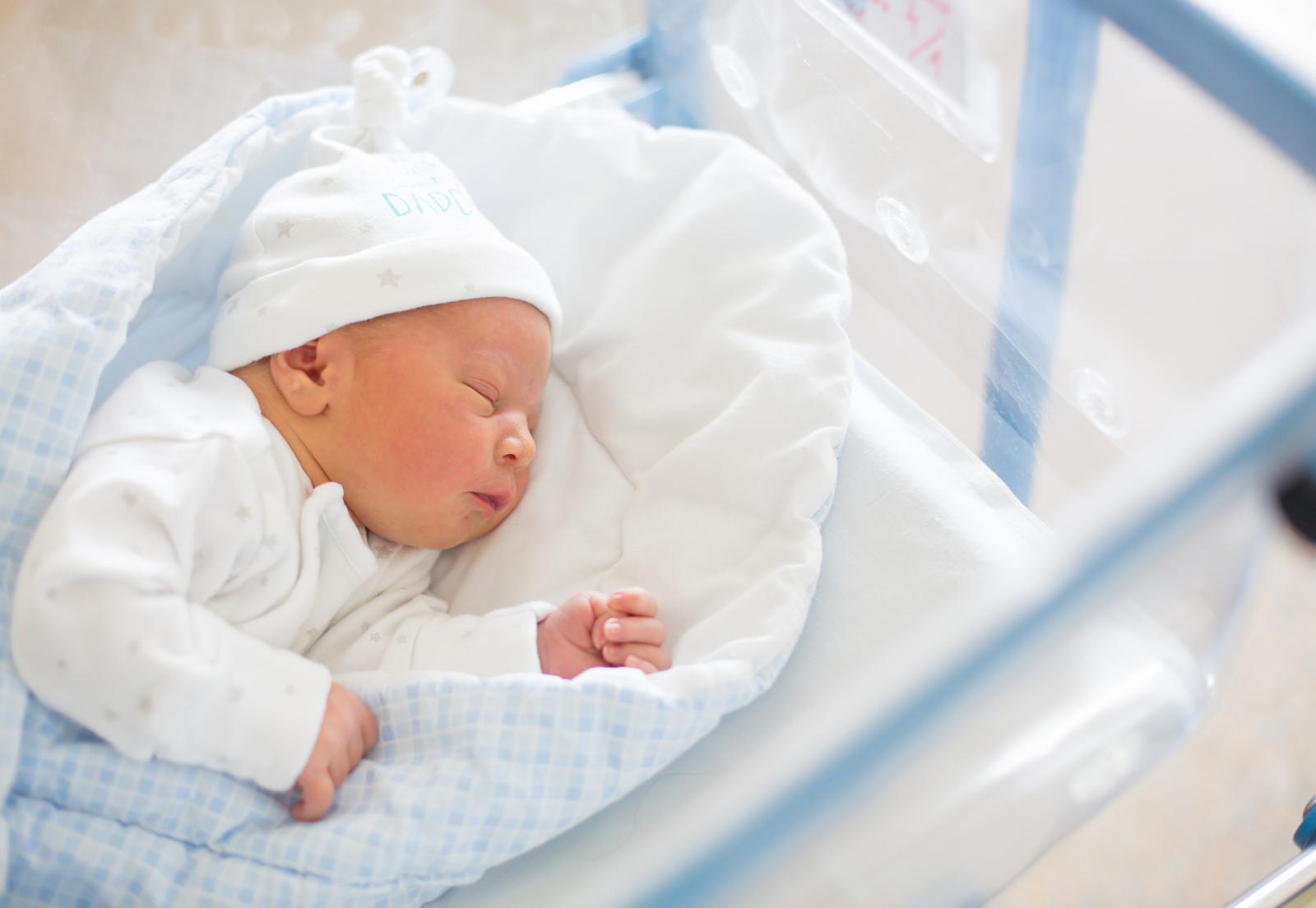

A major investment in newborn screening services will enable Wales to expand testing for rare genetic conditions and prepare for the introduction of future screening programmes.
The Welsh Government has announced £1.21 million funding for a new biochemistry laboratory at University Hospital Wales (UHW), alongside a further £529,000 to support the addition of Hereditary Tyrosinemia Type 1 (HT1) to the national newborn bloodspot screening programme.
The move will strengthen the All-Wales Newborn Bloodspot Screening Service, which currently screens around 28,000 babies every year for nine rare but serious conditions, including cystic fibrosis and congenital hypothyroidism.
The existing laboratory facilities have reached their capacity and are unable to accommodate new screening tests. The new facility at UHW will provide the infrastructure needed to introduce HT1 screening, following recommendations from the UK National Screening Committee.
The enhanced laboratory will also create capacity for future screening developments as evidence emerges for additional conditions. Among those currently being evaluated by the UK National Screening Committee are Spinal Muscular Atrophy (SMA) and Severe Combined Immune Deficiency (SCID), both of which could be added to newborn screening programmes across the UK in the future.
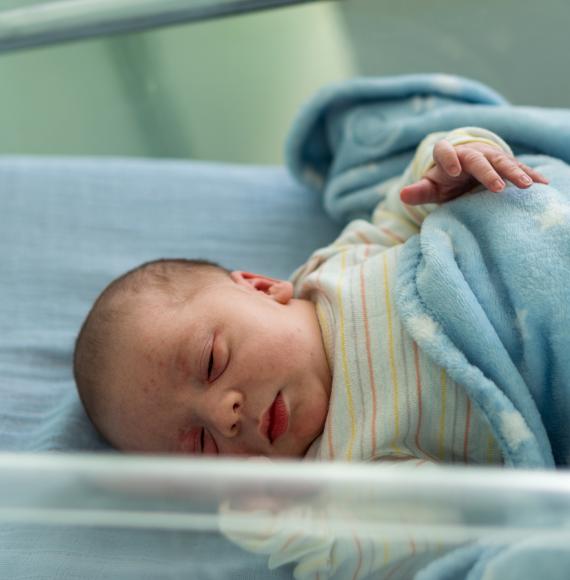
Early identification of these rare conditions can have a significant impact on long-term health outcomes. Babies diagnosed through screening can often begin treatment before symptoms develop, helping to prevent severe complications, disability and, in some cases, death.
Newborn bloodspot screening is a routine part of postnatal care. The test involves taking a small blood sample from a baby’s heel, usually when the infant is between four and six days old. The sample is typically collected by a midwife and sent for analysis.
The programme plays a vital role in identifying serious inherited and metabolic disorders that may not be visible at birth but can have life-changing consequences if left undiagnosed.
Welsh Deputy Minister for Public and Preventative Health, Nerys Evans, said:
“This new lab will modernise and futureproof our newborn screening infrastructure in Wales. We know that screening saves lives and this development means we’ll be well placed to respond to future screening developments and recommendations.
“This investment underlines our government’s clear commitment to provide every child in Wales the best start in life.”
The investment represents a significant step forward in Wales' efforts to modernise diagnostic services, improve early intervention pathways and ensure newborn screening programmes remain aligned with future clinical and scientific advances.
Image credit: iStock