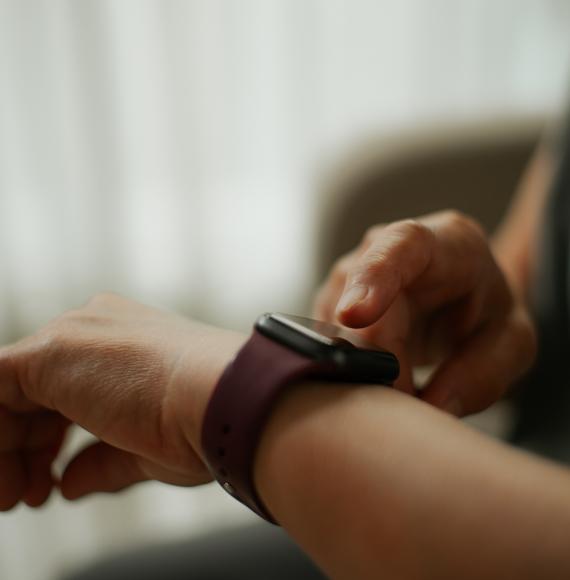
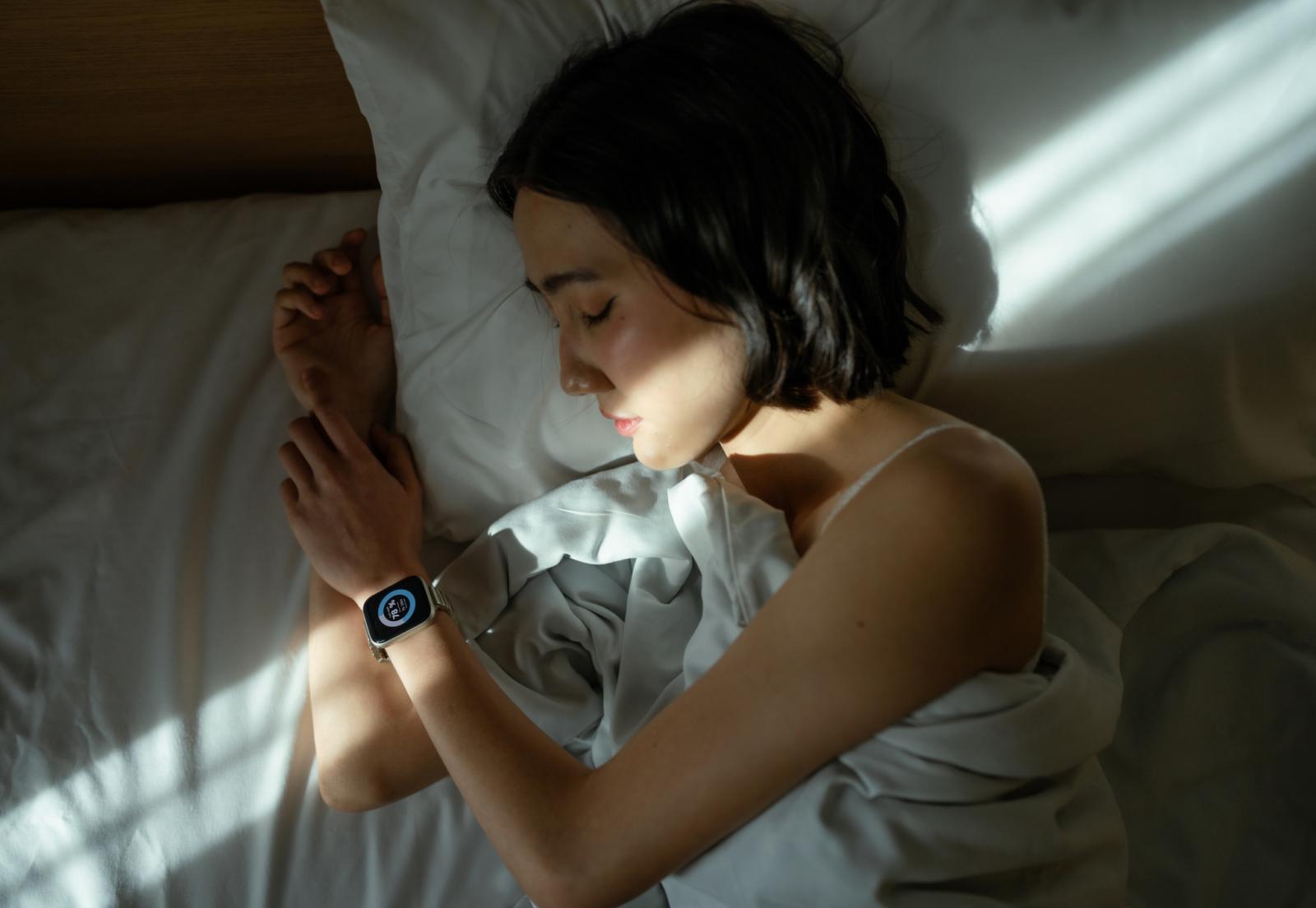

The UK Health Security Agency has teamed up with sleep technology firm Sleep Cycle for a landmark 12-week research project that could change how the UK detects respiratory outbreaks.
The study will investigate whether privacy-protected data from sleep apps – specifically nighttime coughing patterns – can act as an "early warning system" for viruses like Influenza, RSV, and Covid-19. By analysing trends from Sleep Cycle’s "Cough Radar" alongside traditional hospital data, researchers hope to identify rising infection rates days or even weeks earlier than current methods allow.
While the UK already has world-leading surveillance systems based on labs and hospitals, sleep-based signals remain a largely untapped resource. This collaboration marks the first time the UKHSA will systematically evaluate whether digital sleep data can support national epidemiological monitoring.
Professor Steven Riley, the UKHSA’s Chief Data Officer, commented:
“As an agency we are constantly exploring how we can use new technology, such as AI, to complement our existing surveillance systems, and this innovative partnership represents a potential important step toward integrating novel data streams into our national health intelligence.
“If successful, these insights could help us strengthen early warning systems for respiratory infections in the UK.”
Key aspects of the 12-week study include:
- Historical Analysis: Reviewing anonymised data from January 2023 to January 2026.
- Signal Mapping: Comparing Sleep Cycle’s proprietary audio-based cough detection with official NHS hospital admission records.
- Regional Trends: Using aggregated data to see how coughing intensity varies across different regions of England.
Both organisations have emphasised that data privacy is the project's foundation. The study is being conducted under strict protocols:
- One-Way Data Flow: No UKHSA data will be shared with Sleep Cycle.
- Secure Analysis: All research will take place on the UKHSA’s secure systems.
- Anonymised Insights: Sleep Cycle is providing only aggregated, user-consented, and privacy-preserved trends, ensuring no individual can be identified.
Sleep Cycle’s "Cough Radar" has already demonstrated that nighttime cough behaviour often correlates with real-world viral activity. If this trial proves successful, it could pave the way for a more proactive approach to public health, where digital health tools work in tandem with the NHS to protect the population.
Image credit: iStock