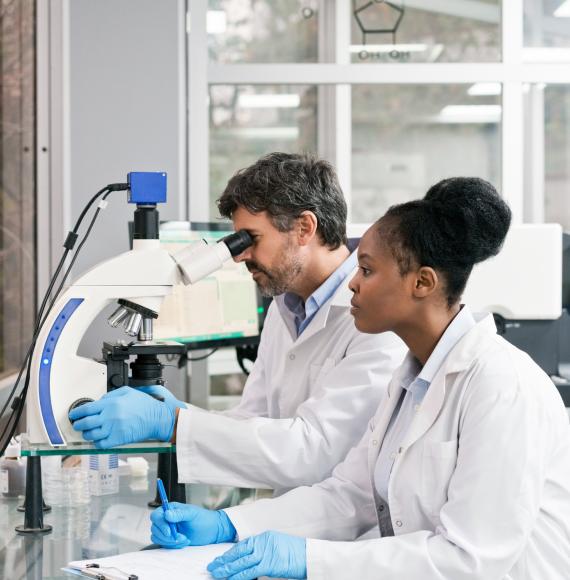

A research team from the Royal Orthopaedic Hospital NHS Foundation Trust has secured a place on the SPARK THE MIDLANDS programme to accelerate the development of a minimally invasive anti‑cancer and bone‑regenerative injectable paste that harnesses the cancer‑killing properties of gallium.
The innovative treatment – a gallium‑doped bioglass paste – has the potential to both destroy cancer cells and support bone regeneration. If successful in clinical trials, it could offer a new treatment pathway for patients with primary and metastatic bone cancer, reducing the need for more invasive surgery.
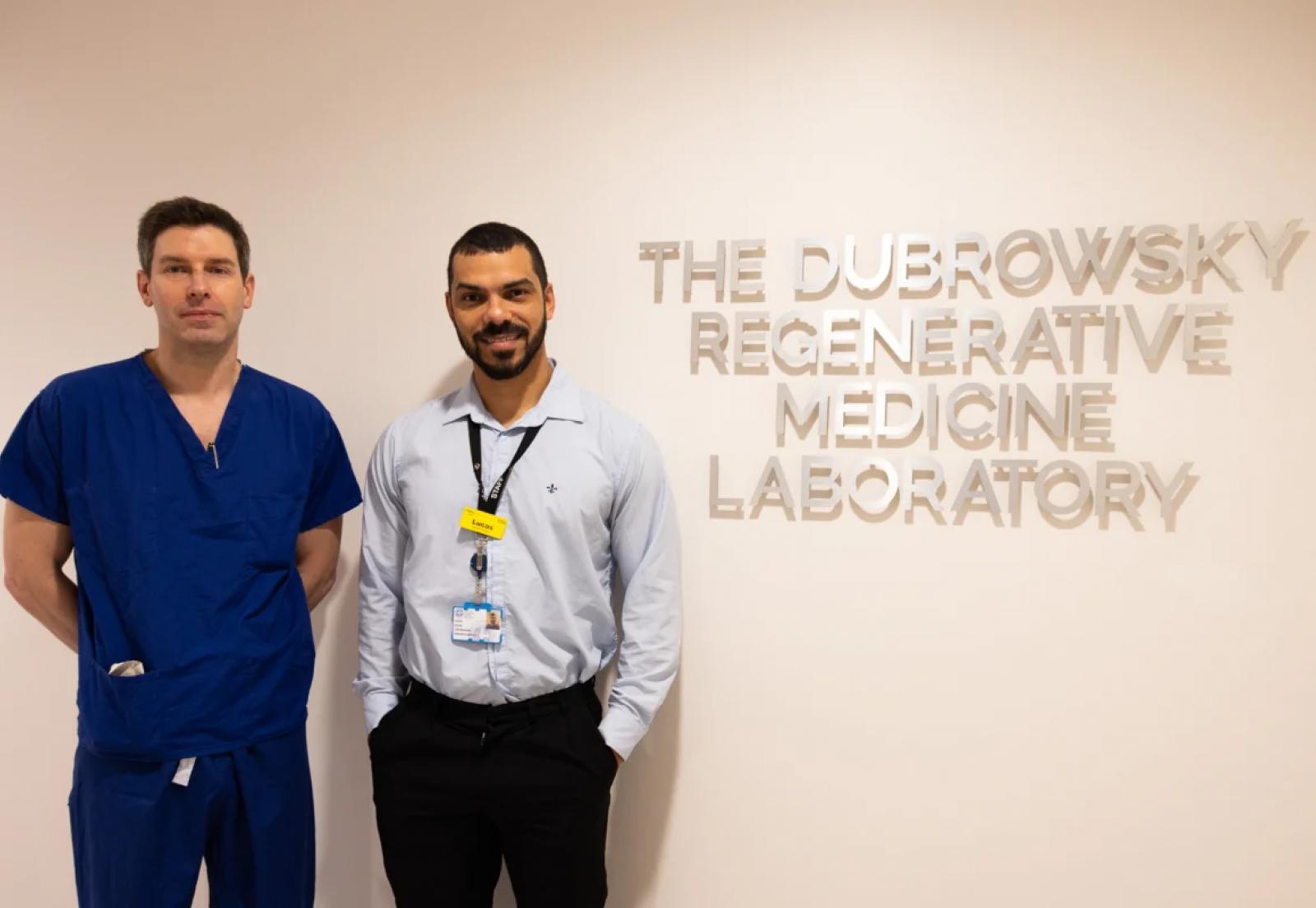
The project team includes Dr Lucas Souza, Professor Adrian Gardner, and Mr Jonathan Stevenson from the Royal Orthopaedic Hospital, as well as Professor Richard Martin and Dr Eirini Theodosiou from Aston University.
Together, they will use the SPARK programme to build a clear translational route from laboratory research to clinical application, ensuring the treatment can reach hospital settings if proven safe and effective.
SPARK THE MIDLANDS is a collaboration between Aston University, West Midlands Health Tech Innovation Accelerator, and Forging Ahead.
The programme is inspired by the original Stanford University SPARK model, internationally recognised for helping early‑stage medical technologies progress successfully into clinical trials and eventual clinical practice.
Through SPARK THE MIDLANDS, teams gain access to:
- Specialist expertise in diagnostics, therapeutics and medical device development
- Guidance on funding pathways and translational research
- Mentorship from experts in research, regulation and innovation
- Support in building networks with industry specialists and potential investors
ROH emphasised that world‑class cancer care depends on strong, sustained support for NHS‑led research. Programmes like SPARK help early‑stage medical technologies overcome traditional barriers that often prevent promising discoveries from reaching patients.
Research Laboratory Manager at the Royal Orthopaedic Hospital, Dr Lucas Souza, commented:
“Where the global success rate for new ideas making it to clinical trials is less than 5%, SPARK has recorded a project success rate of 62%. Thanks to this programme, the ROH will have the support to develop a regional pipeline for the translation of ideas for orthopaedic and bone cancer applications to NHS-approved medical use.”
The Trust highlights that the project aligns with the ambitions set out in the National Cancer Plan for England, which underscores the importance of research‑driven innovation in improving cancer outcomes.
The team will now work through SPARK THE MIDLANDS to:
- Strengthen the scientific and clinical evidence behind the paste
- Refine plans for safety and feasibility testing
- Develop a translational roadmap for first‑in‑human trials
- Establish partnerships to support regulatory approval and commercial development
If successful, the injectable paste could become a minimally invasive alternative to conventional surgical treatments, offering new hope to patients with bone tumours and metastatic lesions.
Image credit: Royal Orthopaedic Hospital NHS Foundation Trust