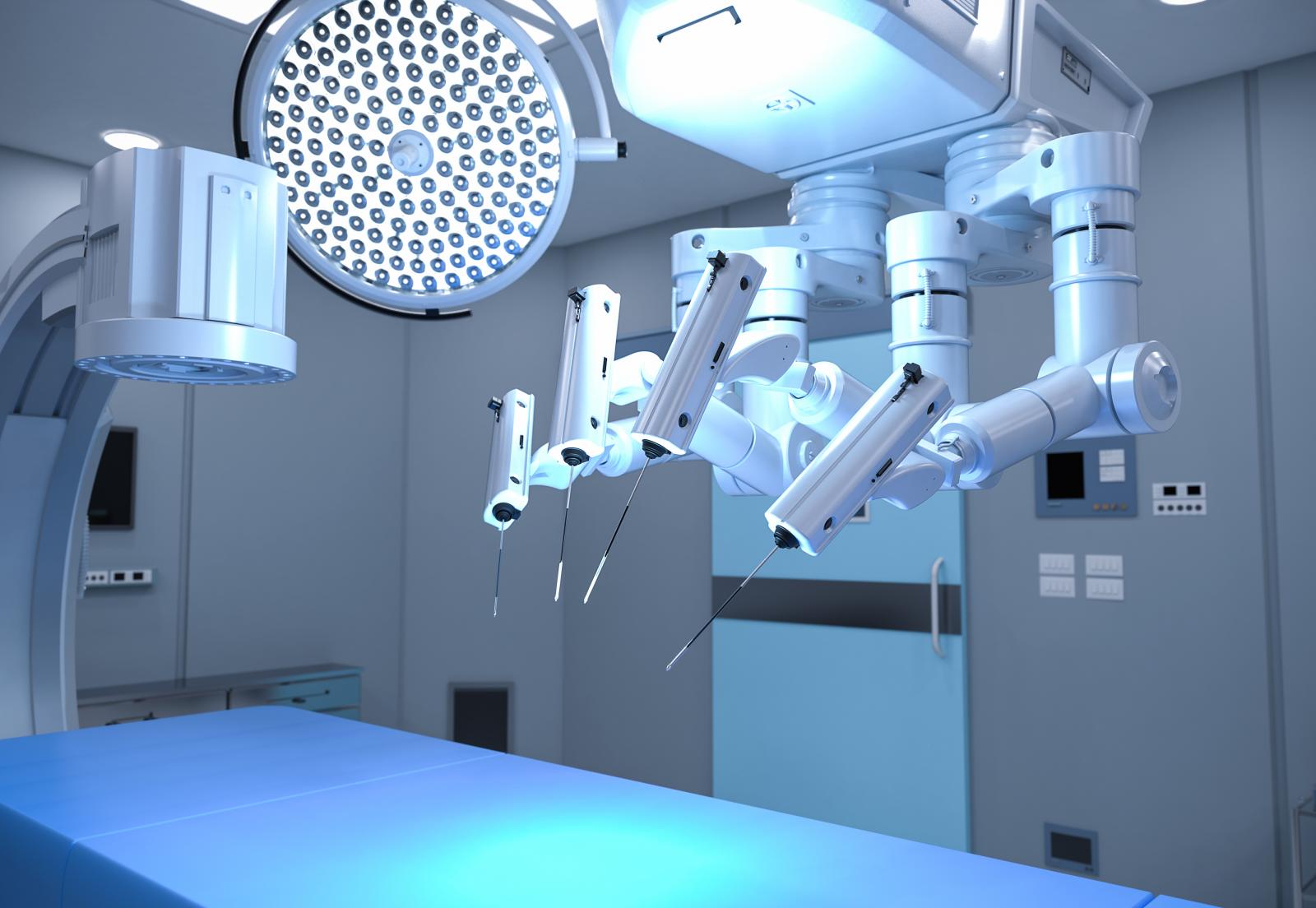

A pioneering cancer treatment delivered at Leeds Teaching Hospitals NHS Trust has provided new hope for patients previously deemed untreatable, after a 92‑year‑old woman from North Yorkshire became the first in the UK to undergo electrochemotherapy for a liver tumour using robotic needle guidance.
Brenda Iveson had been told that surgery, radiotherapy and conventional chemotherapy were not viable due to the size and location of her tumour, as well as her frailty. However, clinicians at Leeds were able to offer a minimally invasive alternative that has already reduced the tumour by approximately 80%.
Brenda described the impact of the treatment in her own words:
“I had been told there was nothing that could be done. So, to be offered this treatment gave me real hope. I’m so glad I went ahead – it wasn’t painful or debilitating, and I feel very well.”
A breakthrough in precision cancer treatment
Electrochemotherapy combines a low dose of chemotherapy with targeted electrical pulses to increase the permeability of cancer cell membranes, allowing drugs to penetrate more effectively. The addition of robotic needle guidance in this case marks a significant step forward in precision.
Using advanced imaging and robotic assistance, clinicians were able to place needles with exceptional accuracy around the tumour – a critical factor in complex liver cases where tumours are often located near vital structures.
The procedure was carried out under general anaesthetic and, crucially, is non-thermal. This means it does not rely on heat, enabling clinicians to treat tumours close to sensitive areas such as blood vessels and bile ducts – regions that are typically too high-risk for traditional ablation techniques.
Expanding options for complex cases
Brenda’s tumour was located in a particularly challenging area of the liver, making standard interventions unsafe. The success of the procedure highlights the potential of electrochemotherapy to fill an important gap in treatment pathways for patients with limited options.
The intervention was led by Professor Tze Min Wah, Research and Innovation Lead for the Interventional Oncology Programme at Leeds Teaching Hospitals NHS Trust and Professor of Interventional Radiology at the University of Leeds.
Professor Wah emphasised the significance of the development:
“This treatment allowed us to offer an option where there would otherwise have been none. The addition of robotic guidance improves precision and opens up new possibilities, particularly for patients with tumours in difficult locations or who are not suitable for other treatments.”
Collaborative innovation across the NHS
The success of the UK-first procedure reflects extensive collaboration across multidisciplinary teams within the Trust, including oncology specialists, radiologists, pharmacists and research staff. Industry partner IGEA also played a role by providing the electrochemotherapy technology.
A dedicated clinical and research coordination team supported Brenda’s journey from referral through to post-treatment follow-up, ensuring patient safety and continuity of care throughout the process.
Part of a wider European research effort
Leeds Teaching Hospitals NHS Trust is currently the only UK site delivering this innovative treatment as part of the RESPECT trial, a major European study sponsored by the Cardiovascular and Interventional Radiology Society of Europe (CIRSE).
The trial aims to gather robust data on the effectiveness and safety of electrochemotherapy for liver cancer, including its impact on survival rates, quality of life and pain management.
By taking part, patients like Brenda are not only gaining access to cutting-edge therapies but are also contributing to the future of cancer care across Europe and beyond.
A new service with national potential
This milestone marks the launch of a new specialist service at Leeds, with the potential to transform care for patients with complex liver tumours – particularly those who have previously exhausted all conventional treatment options.
For NHS leaders and clinicians, the development signals a broader shift towards precision-guided, minimally invasive oncology interventions, underpinned by research collaboration and advanced medical technology.
Image credit: iStock