

Findings from the Care Quality Commission’s latest national maternity survey, which gathered feedback from more than 16,750 women, reveal encouraging improvements in communication and mental health support, but persistent challenges remain in access to advice and continuity of care.
The survey, which reflects the experiences of women who gave birth in February 2025, shows that most respondents remain positive about their interactions with staff during pregnancy. Almost nine in ten women (89%) said they were ‘always’ spoken to in a way they could understand during antenatal care, an increase from 88% in 2024.
Similarly, 81% felt they had enough time to ask questions during antenatal check-ups, up from 80% last year and 73% in 2021. During labour and birth, 77% reported being ‘always’ involved in decisions about their care, compared to 75% in 2024. There was also a notable improvement in post-birth support, with 72% saying their partner or someone close could stay with them as much as they wanted after birth, up from 63% the previous year.
Mental health support also showed positive progress. Seventy-seven per cent of respondents said they were ‘definitely’ asked about their mental health during antenatal appointments, compared to 76% in 2024 and 69% in 2021. Furthermore, 83% reported being told who to contact for mental health advice after giving birth, an increase from 81% last year.
Despite these improvements, the survey highlights areas where care fell short. One in ten women said they were left alone at a time when it worried them during labour or birth – a figure that has remained unchanged since 2021. Fifteen per cent felt they did not receive appropriate advice when contacting a midwife or hospital at the start of labour, and 18% reported that their concerns during labour were not taken seriously. Postnatal support also remains inconsistent, with just over half (57%) saying they could ‘always’ get help from staff after birth, while 10% said they could not get help at all.
For the first time, respondents were asked about their experience with telephone triage services. Nearly three-quarters (72%) said they ‘definitely’ received the advice they needed, but more than one in five (21%) said they only received this advice ‘sometimes’.
Analysis of the results shows that continuity of care strongly correlates with better experiences. Women who had more frequent contact with the same midwife during antenatal care, labour, and postnatal care were more likely to feel listened to, involved in decisions, and able to get help when needed.
However, disparities persist. Women from the most deprived neighbourhoods were less likely to feel treated with dignity and respect during antenatal care, while those with long-term mental health conditions were less likely to feel treated with kindness and understanding after birth.
Dr Toli Onon, Chief Inspector of Hospitals at the CQC, said:
“It is encouraging to see that satisfaction amongst many of those surveyed remains high, and it is really positive that for some aspects of care women are reporting a better experience than in 2024. That’s a direct reflection of the efforts of frontline staff working hard to provide high quality care in the face of significant challenges at a national level.
“However, it’s clear that far too many women feel their care could have been better. Inability to access help when needed and not feeling listened to when trying to voice concerns are persistent themes. Disappointingly, these are issues where previous maternity surveys have shown similar results with satisfaction levels remaining stubbornly static over time.
“We have heard first hand from those working in maternity services that they have their own concerns about the effect of staff shortages and the impact that has on their ability to provide the standard of care they would like to deliver. Our analysis shows that women who see the same midwife throughout their pregnancy are more likely to report positive experiences – but we know staffing pressures can make continuity of care difficult. Continued efforts to address staffing shortages in maternity services must be a national priority.
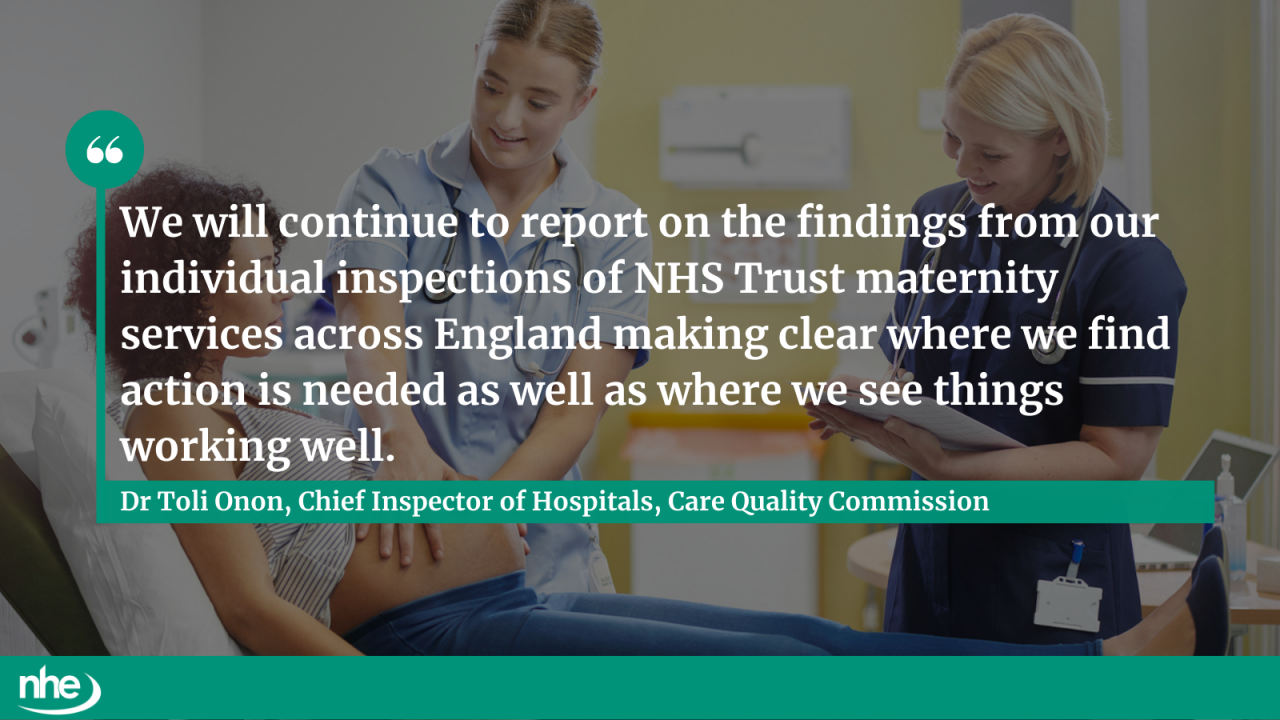
“We will continue to report on the findings from our individual inspections of NHS Trust maternity services across England making clear where we find action is needed as well as where we see things working well. Alongside this I hope that all Trusts will use their survey results to help identify changes they can make to drive up quality in their own services.”
The CQC says these findings underline the need for greater consistency, improved staffing, and better support across all stages of maternity care.
Image credit: iStock