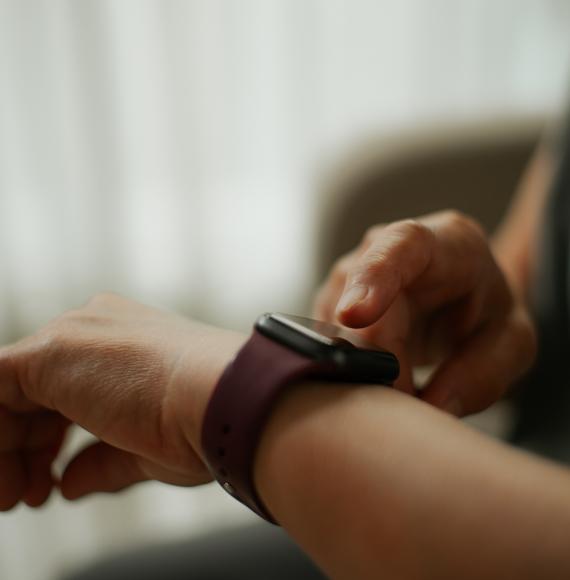

Greater Manchester is positioning itself at the forefront of digital healthcare innovation with the launch of a major new initiative aimed at advancing wearable technology and remote patient monitoring.
The Greater Manchester Wearables and Remote Monitoring Innovation Cluster has been established with a combined investment exceeding £11 million, bringing together NHS organisations, universities and global industry partners in a “triple helix” collaboration model. The goal: to transform how wearable health technologies are developed, tested and deployed at scale.
Led by Manchester University NHS Foundation Trust, the cluster also includes The University of Manchester, Manchester Metropolitan University and the NIHR Manchester Health Determinants Research Collaboration, hosted by Manchester City Council.
Breaking down barriers to innovation
The initiative is designed to tackle longstanding challenges faced by health tech companies and innovators. By creating a single, integrated ecosystem, GM-WIC aims to streamline the journey from concept through to commercial deployment.
This collaborative approach will combine academic research, NHS clinical expertise and commercial capability to accelerate the development of new digital health tools – particularly those supporting remote monitoring and community-based care.
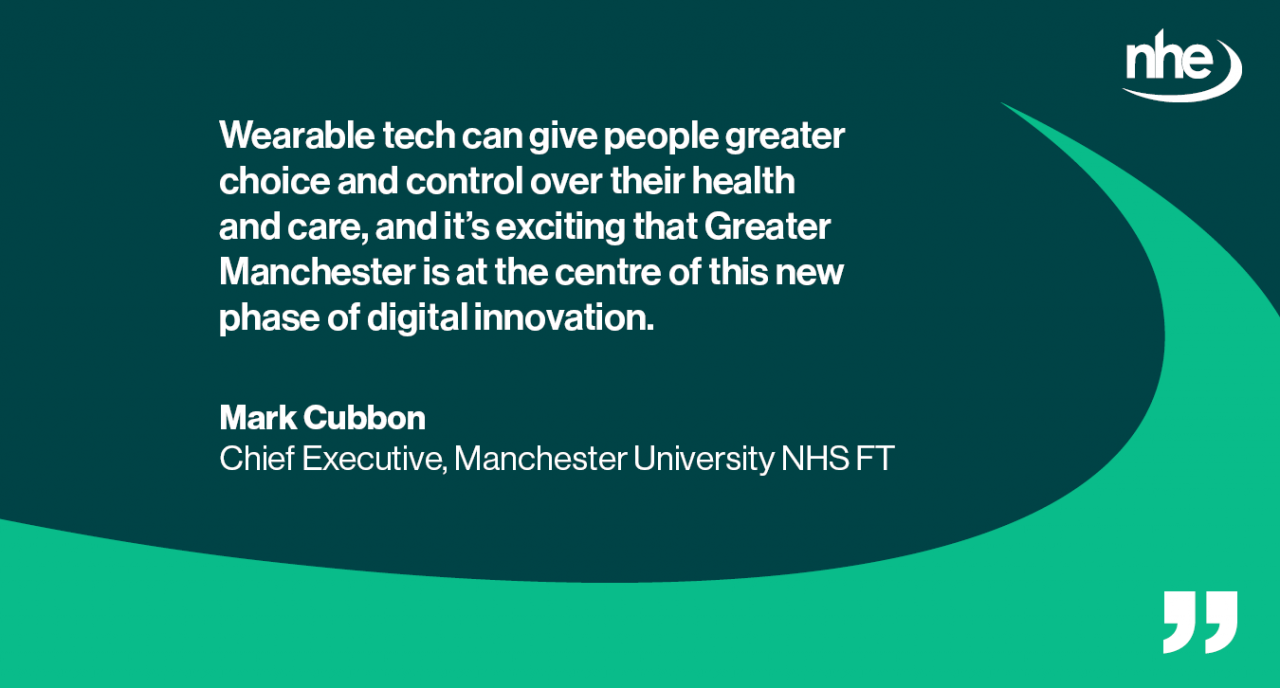
Mark Cubbon, Chief Executive of Manchester University NHS FT, said:
“Wearable and remote monitoring technologies are pivotal to the future of healthcare, and key to the ambitions in NHS 10 Year Plan.
“It is vital that we collaborate closely with leaders at the cutting-edge of this technology, including academia and the life sciences industry sector. This new initiative is designed to remove barriers and encourage investment, bringing the latest innovations and lasting impact.
“Wearable tech can give people greater choice and control over their health and care, and it’s exciting that Greater Manchester is at the centre of this new phase of digital innovation.”
Supporting the shift to community-based care
The cluster builds on Greater Manchester’s track record in digital health transformation, particularly in shifting care away from hospitals and into the community.
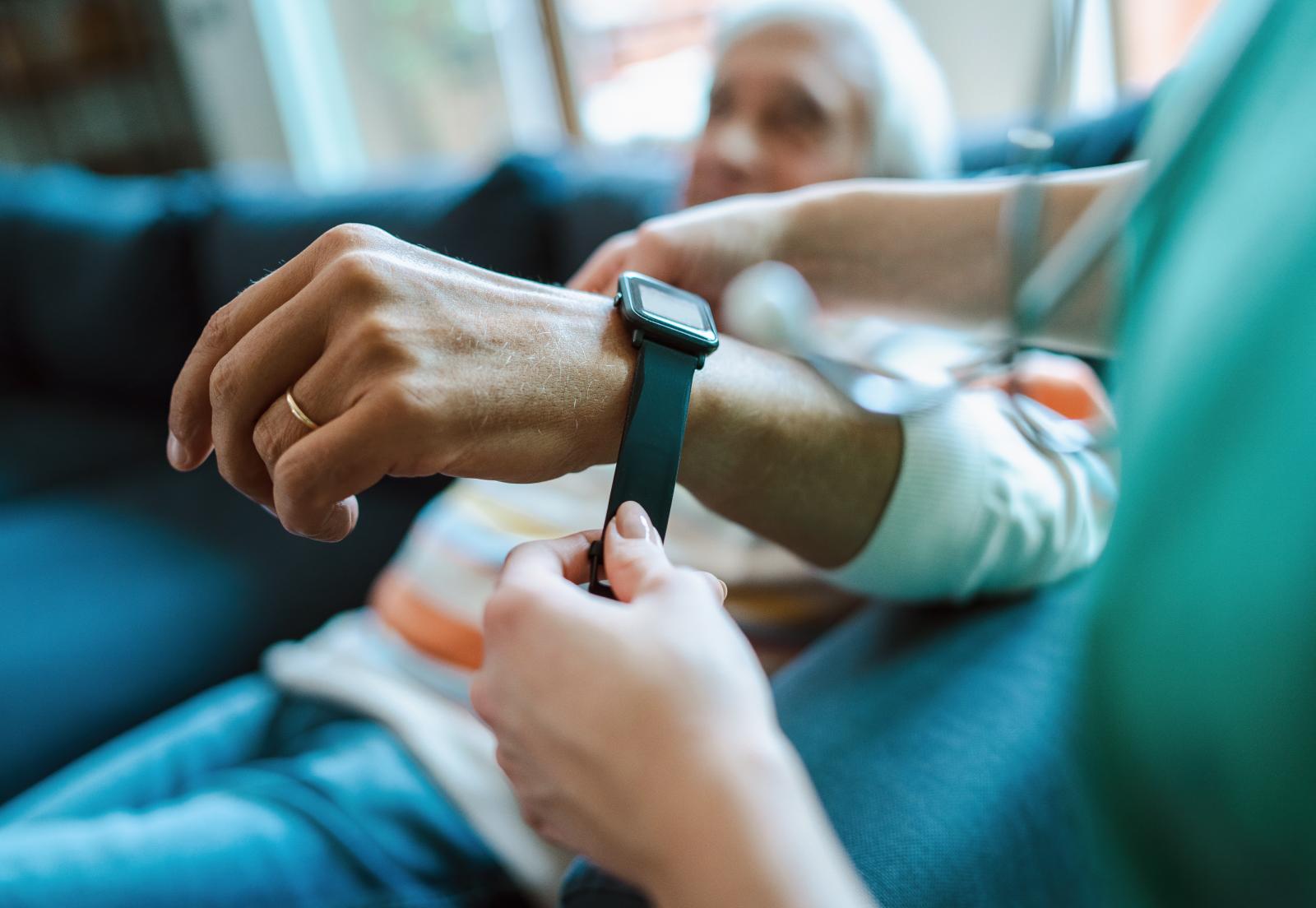
MFT’s Hospital at Home programme is a notable example, using wearable devices and remote monitoring to enable patients to receive acute-level care in their own homes. This approach not only improves patient experience but also helps reduce pressure on hospital services – aligning with wider NHS priorities.
With wearable technology becoming increasingly sophisticated, the GM-WIC initiative is expected to further embed remote care models across the region, enhancing patient outcomes while supporting more sustainable service delivery.
Significant investment and national backing
The cluster has secured £5.5 million from the Local Innovation Partnerships Fund (LIPF), with an additional £5.6 million contributed by commercial partners.
LIPF is a flagship UK government programme delivered through UK Research and Innovation, with up to £500 million earmarked to strengthen regional innovation ecosystems. The programme is designed to decentralise innovation and empower regions like Greater Manchester to drive economic growth through locally led initiatives.
By fostering collaboration between business, academia and local leadership, LIPF-backed projects aim to create long-term, sustainable innovation clusters capable of attracting continued private investment.
A market poised for rapid growth
The global wearable medical device market is growing rapidly, having been valued at $103 billion in 2025 and projected to reach $505 billion by 2034.
Greater Manchester’s new cluster is expected to play a significant role in capturing a share of this expanding market, positioning the region as a hub for digital health innovation while delivering tangible benefits for patients and the NHS.
For health leaders and professionals, the GM-WIC initiative signals a continued shift towards integrated, technology-enabled care, and highlights the increasing importance of regional collaboration in driving meaningful healthcare transformation.
Image credit: iStock