
Hundreds of patients across England – including infants and young children – are set to benefit from two innovative new treatments for rare blood cancers, following approval by NHS England. The move marks a significant milestone in expanding access to targeted, precision medicine within the NHS.
Around 200 patients each year are expected to receive these cutting-edge therapies, which offer renewed hope to families when conventional treatments have failed.
Targeted therapy brings new hope for rare cancers
One of the newly approved treatments, dabrafenib, is an oral tablet designed to treat histiocytic neoplasms – a group of rare and potentially life-threatening blood cancers. Outcomes for these conditions have historically been poor, particularly in high-risk cases.
Without effective intervention:
- Approximately 1 in 10 children with high-risk disease die within a year of diagnosis
- Around 7 in 10 adults die within five years
Dabrafenib works by blocking proteins that drive cancer cell growth, helping to slow or stop disease progression. Crucially, its oral administration allows many patients to take the treatment at home, significantly reducing the need for hospital visits and improving quality of life.
New drug combination for relapsed Hodgkin lymphoma
The NHS has also approved a combination therapy for children aged 8 and above with Hodgkin lymphoma that has returned or failed to respond to first-line treatment.
Hodgkin lymphoma affects approximately 1,800 people in England annually. However, between 10% and 30% of cases – equating to 180 to 540 patients – either relapse or prove resistant to standard therapies.
The newly approved combination of brentuximab vedotin and bendamustine offers a more precise approach, targeting cancer cells directly. The therapy works by binding to a protein on the cancer cell surface and delivering a cytotoxic drug directly inside the cell.
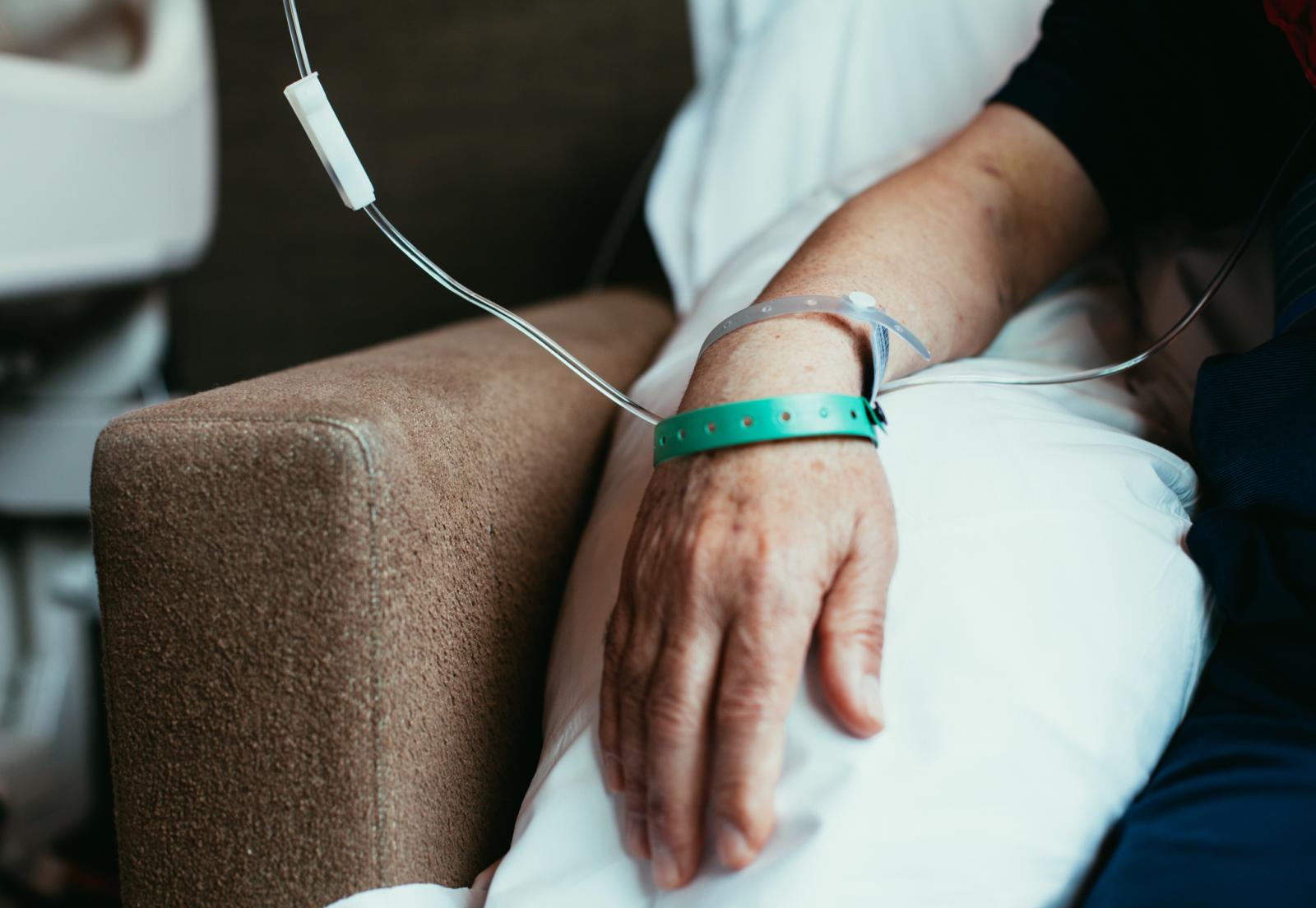
Administered via intravenous infusion, the treatment has demonstrated:
- High remission rates
- Good tolerability
- Improved eligibility for potentially life-saving stem cell transplants
Professor Peter Johnson, NHS National Clinical Director for Cancer, said:
“This is a landmark moment for people with histiocytic neoplasms and Hodgkin lymphoma, giving them access to new treatment options they might not otherwise have had.
“For people living with the uncertainty of these rare cancers, these innovative therapies could offer something that can be hard to find – renewed hope – while allowing many patients to take their treatment at home instead of in hospital, so they can spend more time living their lives.
“Improving the treatment for rare cancers is a key ambition of the new 10 Year Cancer Plan, and the NHS is committed to ensuring more patients have access to advance, safe and effective treatments, which can save or transform their life."
Backed by robust clinical assessment
The rollout of these therapies follows review and approval by NHS England’s Clinical Priorities Advisory Group, which evaluates specialist medicines, devices, and treatments based on clinical effectiveness, patient benefit, and cost-value considerations.
Experts within CPAG highlighted the rapid evolution of treatment options for rare cancers, driven by advances in understanding genetic mutations and cancer biology. The increasing use of targeted therapies – including BRAF and MEK inhibitors – is helping to reshape the treatment landscape.
Towards personalised, precision cancer care
These new therapies reflect a broader shift within the NHS towards personalised medicine, particularly for patients who:
- Do not respond to conventional treatments
- Cannot tolerate standard therapies
By focusing on mutation-specific approaches, these treatments aim to deliver better outcomes with fewer side effects, improving both survival rates and patient experience.
Image credit: iStock