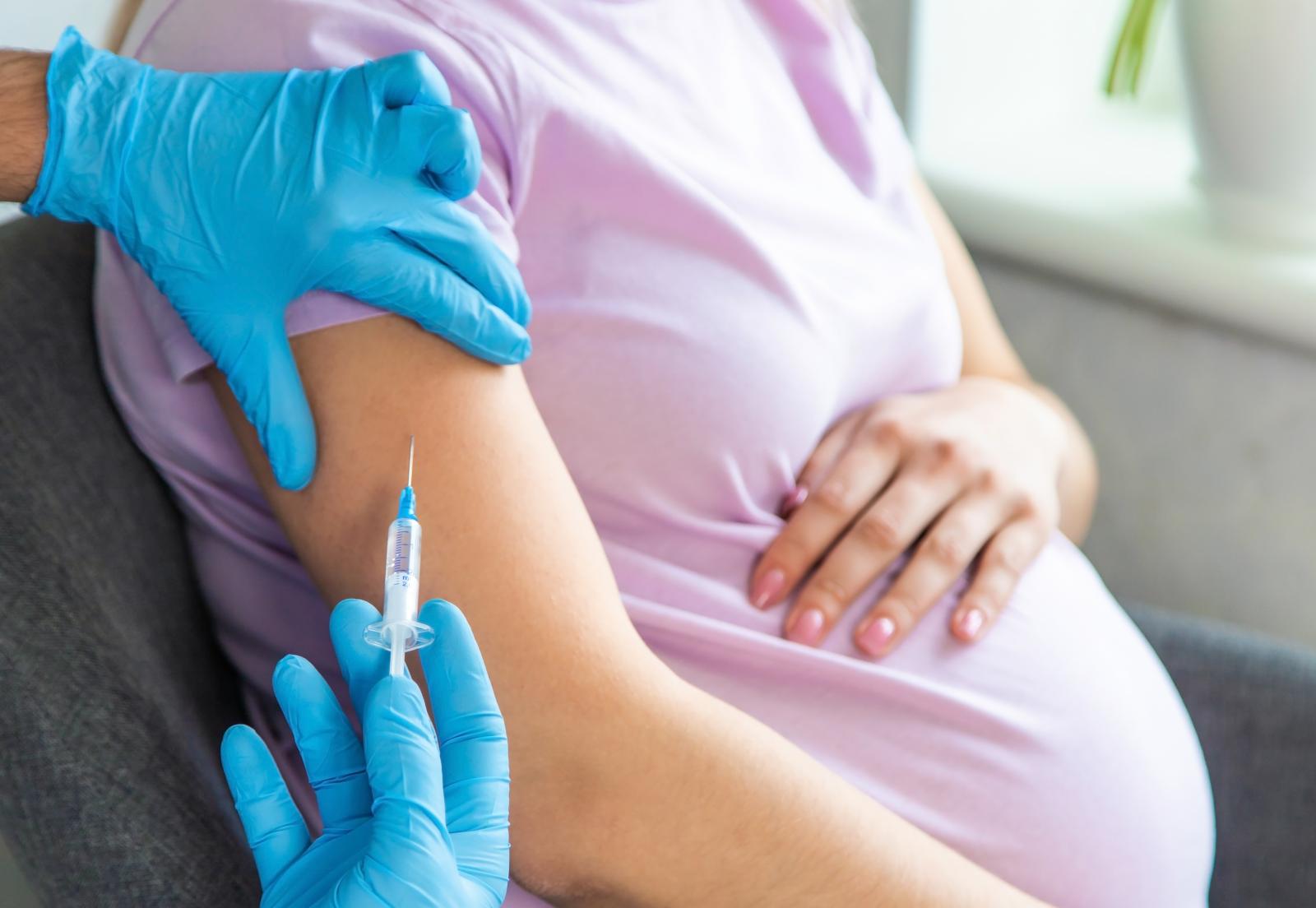

Pregnant women across the UK are being encouraged to take part in a landmark clinical trial that could help prevent infant deaths, stillbirths and life-threatening infections caused by Group B Streptococcus (GBS).
The BEATRIX study, sponsored by Pfizer and supported by the National Institute for Health and Care Research, is the world's first large-scale Phase 3 vaccine trial investigating maternal immunisation against GBS. Researchers from the NHS, UK universities and international partners are working together to determine whether the vaccine can protect newborn babies from one of the most serious bacterial infections they face.
GBS is currently the leading cause of severe infection in newborn babies, responsible for conditions including sepsis, pneumonia and meningitis. Without prompt treatment, infection can become fatal within hours.
Across the UK and Ireland, approximately one in every 1,000 babies develops a GBS infection within their first three months of life. The disease claims the lives of around 50 babies every year, equivalent to roughly one infant every week.
Many babies who survive GBS infection can experience lifelong complications, including:
- Hearing loss
- Vision impairment
- Cerebral palsy
- Developmental difficulties
Professor Paul Heath, Chief Investigator of the BEATRIX study and Chair of the NIHR Vaccine Research in Pregnancy Working Group, said:
“GBS can cause serious illness in newborn babies, yet there is currently no licensed vaccine available to help prevent these infections. The BEATRIX study is evaluating an investigational maternal vaccine and aims to expand our understanding of maternal immunisation against GBS. Research such as this is important in helping build the evidence needed to address a significant unmet public health need.”
Healthy pregnant women aged 49 and under may be eligible to participate between 24 and 36 weeks of pregnancy.
Participants will receive a single injection in the upper arm containing either the investigational GBS vaccine or a saline placebo. Allocation is randomised as part of the study design.
Mothers can remain involved in the trial for up to 14 months, continuing until six months after childbirth. Their babies will then be monitored for approximately 12 months following birth.
The study is currently recruiting at 10 hospitals across the UK, with support from NIHR Clinical Research Facilities, Biomedical Research Centres and Commercial Research Delivery Centres.
Researchers believe a successful maternal GBS vaccination programme could have a transformative impact on infant health worldwide.
Estimates suggest that achieving 70% vaccination coverage could prevent more than 50,000 GBS-related deaths and approximately 170,000 pre-term births every year globally.
The study is also seeking greater representation from communities most affected by GBS. Research shows rates of serious infection are 51% higher among Black babies and 28% higher among Asian babies compared with white babies. As a result, eligible Black and Asian women are being particularly encouraged to participate to ensure the vaccine is tested across diverse populations and delivers benefits equitably.
As recruitment continues, researchers hope the BEATRIX study will generate the evidence needed to support the development of the first licensed vaccine against GBS, potentially saving thousands of lives worldwide.
Image credit: iStock