
Patients across England are seeing faster access to cancer diagnoses after the NHS delivered an additional one million CT and MRI scans, supported by a major expansion in diagnostic equipment and the rollout of advanced AI technology.
New NHS England data published today highlights significant progress in diagnostic capacity. Between March 2024 and March 2026, the NHS increased its fleet of CT and MRI scanners by 125 machines, helping clinicians diagnose cancer and other serious conditions more quickly and begin treatment sooner.
The growth in diagnostic capacity comes amid sustained demand for NHS services. Every month of 2026 has so far set a new record for diagnostic activity, while the diagnostic waiting list has fallen in three of the five months since April. Cancer waiting time performance has also improved compared with last year, and the overall elective care backlog has reduced by more than 250,000 patients since July 2024.
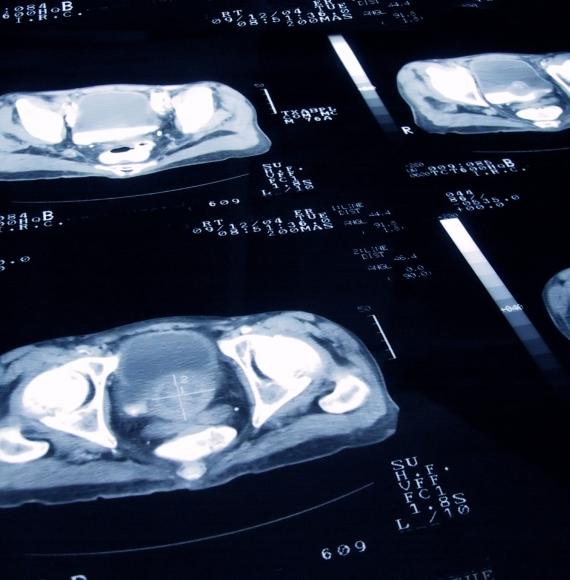
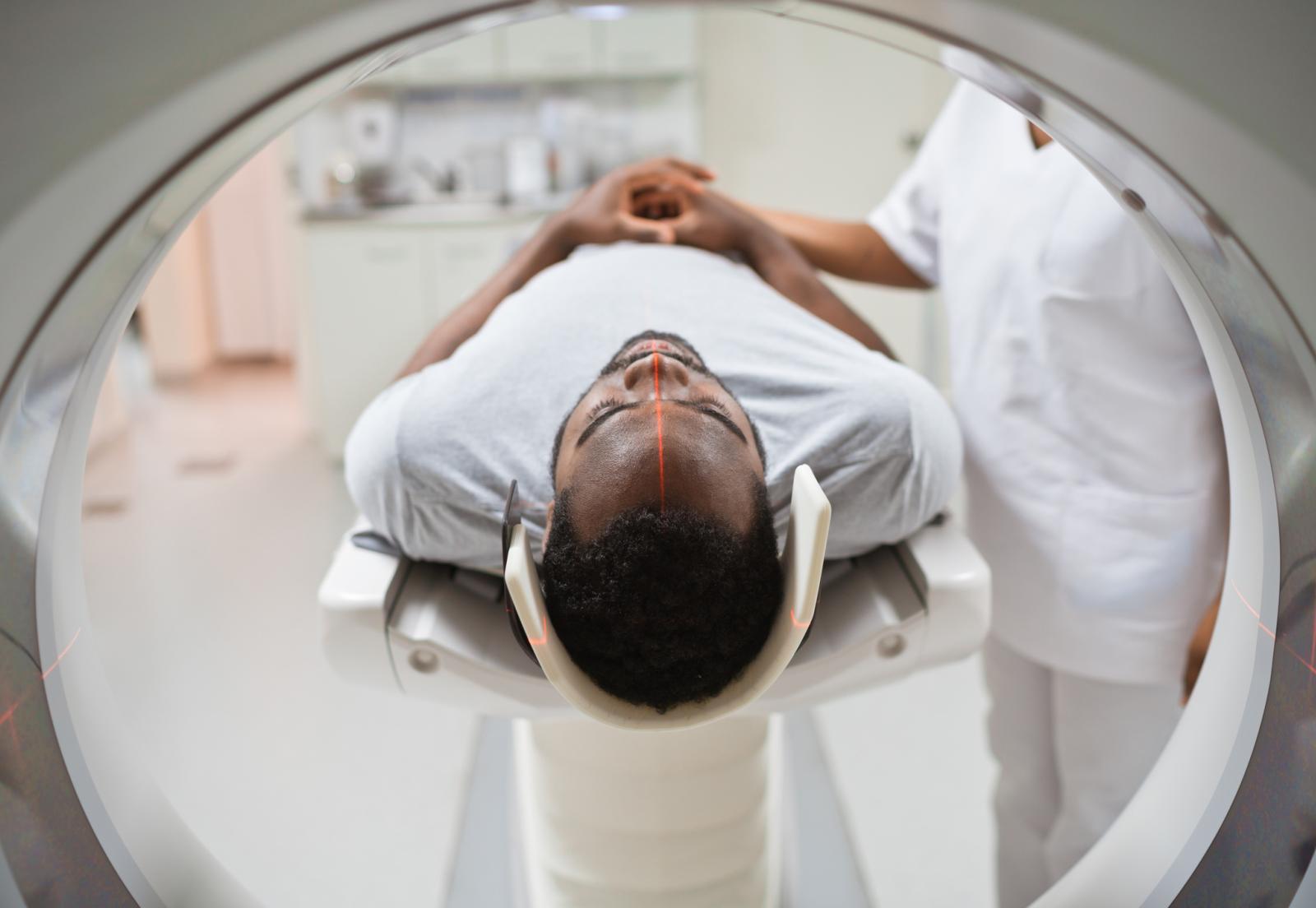
CT and MRI scanners play a critical role in diagnosing a range of cancers, including lung, brain, breast and prostate cancers. By expanding access to these technologies, the NHS is reducing delays and accelerating the pathway from referral to treatment.
Minister of State for Health Karin Smyth said:
“Getting the right diagnosis and treatment as quickly as possible can make all the difference, particularly for patients with cancer and other serious conditions.
“That’s why, in the face of record demand, we are expanding NHS capacity and using new technology to help more people get the tests and care they need.
“The 125 new scanners and rollout of AI technology are helping deliver around a million extra scans every year, while the new Manchester and Trafford CDC with its modern facilities and cutting-edge equipment will allow people to get checked quickly and conveniently in the community.”
A key part of the NHS strategy has been the deployment of AI-powered MRI technology, which is already improving productivity across radiology services. The software enables hospitals to perform, on average, 14% more MRI scans without compromising image quality. Faster scan acquisition times are creating thousands of additional appointments while reducing the time patients spend inside scanners.
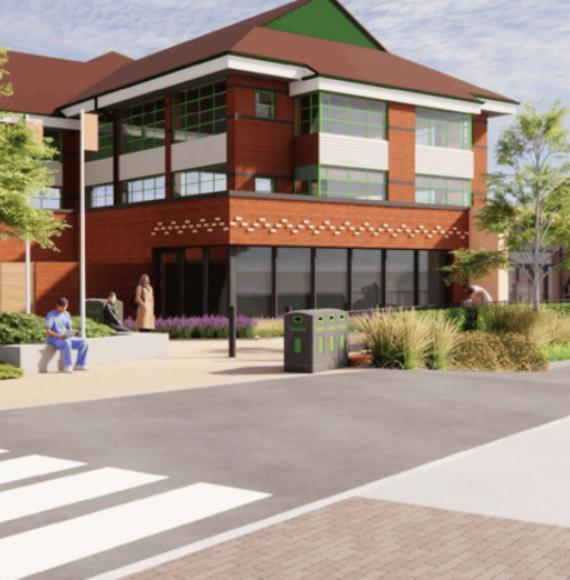
The opening of the new £19.2 million Manchester and Trafford Community Diagnostic Centre (CDC) represents another major investment in diagnostic services. Officially opened on 29 October, the facility provides patients with easier local access to tests and scans, helping to relieve pressure on acute hospitals while bringing care closer to communities.
Community Diagnostic Centres have been central to the expansion programme. Of the 125 additional scanners installed since March 2024, 107 have been placed within CDCs. These centres completed nearly 2.2 million CT and MRI scans during the 12 months to March 2026, representing an increase of around one million scans compared with the 12 months to March 2024.
AI acceleration software has already been deployed on 54% of compatible NHS MRI scanners nationwide. By requiring less data to produce high-quality images, the technology significantly reduces scan times, allowing hospitals to increase throughput and maximise the use of existing equipment.
Looking ahead, all NHS trusts will have the opportunity to upgrade compatible MRI scanners by 2029. A full national rollout could deliver up to 162,000 additional MRI examinations every year, further strengthening efforts to improve early diagnosis and patient outcomes.
Image credit: iStock