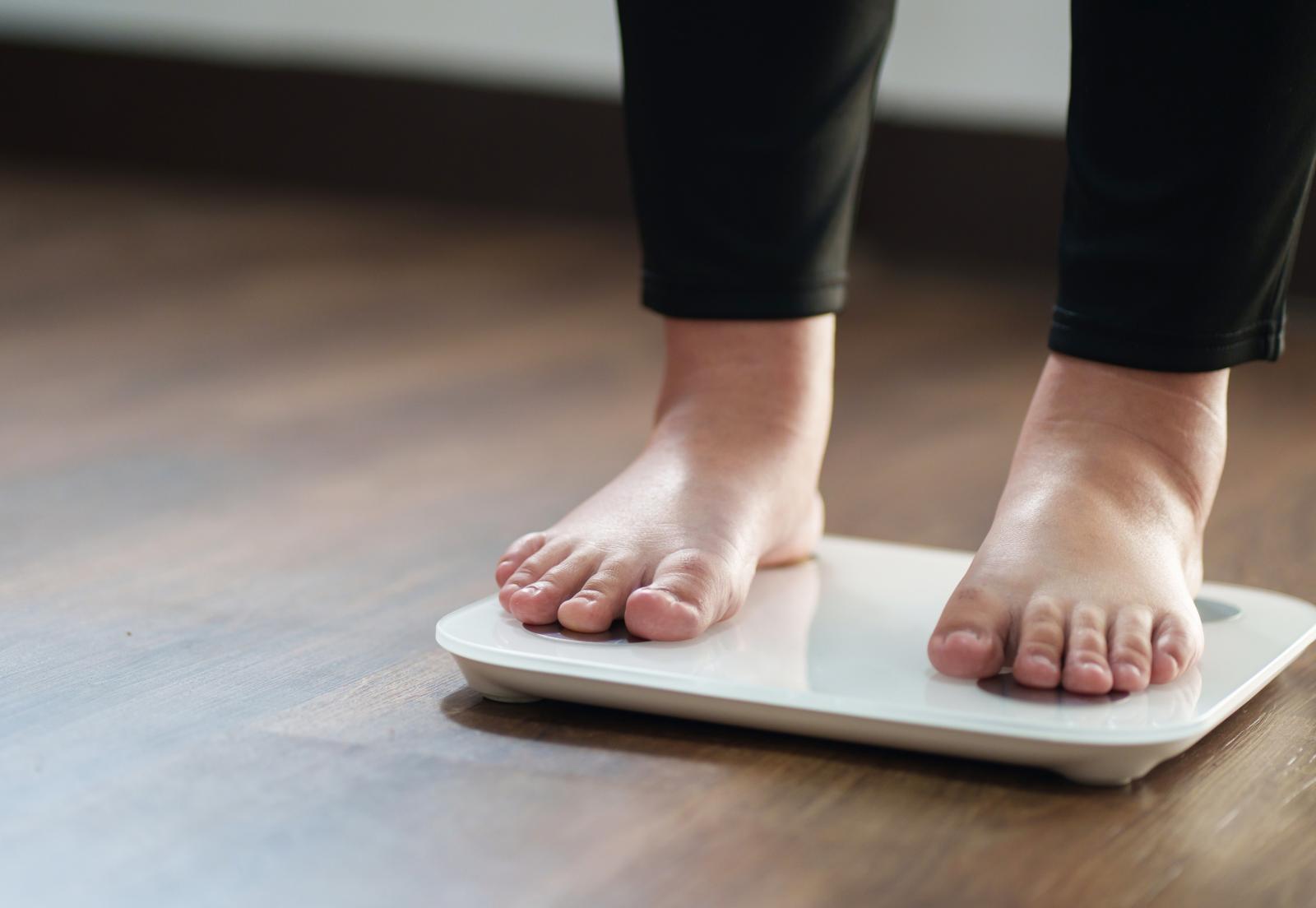

Patients across the UK are set to benefit from a major overhaul in how obesity care is delivered, with 12 new pilot projects aiming to improve access, reduce pressure on frontline services, and harness digital innovation to support healthier lifestyles.
Launched under the Obesity Pathway Innovation Programme, the scheme will see up to £50 million in government funding matched by as much as £35 million from pharmaceutical company Eli Lilly and Company. Together, these initiatives are designed to test scalable solutions that could reshape obesity care nationwide.
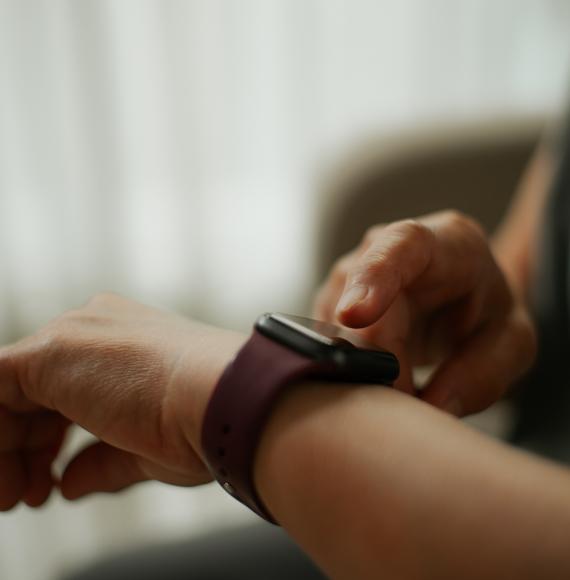
At the heart of the programme is a shift towards digitally enabled, patient-centred support, allowing people to access advice, interventions, and clinical pathways more easily, often without the need for a GP appointment.
Technology-driven care closer to home
Several of the projects highlight how technology will be integrated into everyday care pathways:
- AI-assisted triage in Norfolk, Suffolk and north east Essex will allow patients to complete a quick online health assessment from home. The system will then direct them to the most appropriate NHS support, from dietetics to specialist treatment.
- In Kent, up to 3,300 families will receive 24/7 AI-powered support via WhatsApp, covering nutrition, sleep, activity, and stress. This aims to support parents in real time, particularly during early childhood development stages.
- Leicester and Northamptonshire will pilot six neighbourhood-based weight management hubs, located in settings such as pharmacies and gyms. These hubs will offer both digital and in-person services, including access to lifestyle advice, apps tailored to adolescents, and weight-loss medication where clinically appropriate.
These interventions are specifically designed to reduce barriers to care, particularly for communities that have historically faced inequitable access, including deprived, rural, and ethnic minority populations.
Improving access across devolved nations
The programme also includes tailored approaches for different parts of the UK:
- In Northern Ireland, patients will be able to self-refer and work directly with NHS clinicians, bypassing the need to wait for a GP appointment.
- In Wales, a single, unified entry point for weight management services will be introduced, available in both English and Welsh.
Strategic focus on prevention
The programme aligns with the government’s wider push to prioritise prevention and long-term public health outcomes.
Secretary of State for Health and Social Care James Murray said:
“Obesity is an epidemic and we need bold action to end it now. These innovative projects will bring together the NHS, local partners, and industry to test new ways of delivering obesity care that uses the latest technology and is closer to people’s homes.
“What we learn from these projects has the potential to help people across the country live healthier lives, underlining this government’s commitment to deliver the 10-Year Health Plan and shift healthcare from treatment to prevention and reduce long-term pressure on vital NHS services.”
Addressing a growing public health challenge
Obesity remains one of the UK’s most pressing health issues:
- Nearly one-third of adults in England, Scotland and Northern Ireland are living with obesity
- In Wales, the figure stands at one in four
- The condition costs UK society up to £107 billion annually, including over £9 billion for the NHS
Limited access to interventions such as specialist advice, structured physical activity programmes and medications continues to present a major barrier for patients.
OPIP aims to address these gaps by targeting underserved groups, including those in coastal and rural communities, people with disabilities, minority ethnic populations, and families in early years settings.
A broader government strategy
The initiative forms part of a wider package of measures to tackle obesity at a national level, including:
- Restrictions on junk food advertising before 9pm and online
- Expanded powers for local authorities to limit fast food outlets near schools
- Consultation on banning high-caffeine energy drinks for under-16s
- Updates to School Food Standards
- Expansion of free school meals and breakfast clubs
- A 10% increase in Healthy Start payments
- Planned expansion of the Soft Drinks Industry Levy by 2028
- Mandatory reporting by major food businesses on healthier sales metrics
The pilot projects will run until March 2029, with findings expected to inform future NHS policy and the potential national roll-out of successful models.
By combining clinical expertise with digital innovation, OPIP represents a significant step towards modernising obesity care and easing long-term pressure on NHS services.
Image credit: iStock