

Simple, integrated digital systems used in GP practices could dramatically improve patient safety by reducing medication errors, speeding up diagnosis and preventing avoidable harm, according to one of the largest studies ever conducted on digital safety interventions in primary care.
The landmark review, funded by the Department of Health and Social Care through the National Institute for Health and Care Research, analysed data from 74 clinical trials conducted over a 23-year period involving thousands of patients worldwide.
Led by researchers at the University of Manchester and published in BMC Medicine, the study found that digital patient safety tools are most effective when multiple technologies are combined into a single, integrated approach rather than used in isolation.
Researchers found that digital interventions currently being used in primary care settings can deliver significant improvements compared with standard care. Medication safety improved by 46%, helping to reduce high-risk prescribing and dosing errors. Non-medication safety processes improved by 77%, supporting faster diagnostic checks and more timely laboratory monitoring. The interventions also reduced physical patient harm and adverse events by 17%, helping to prevent unnecessary hospital admissions, asthma attacks and serious adverse drug reactions.
The research was funded by the NIHR Greater Manchester Patient Safety Research Collaboration, with researchers also affiliated with the NIHR School for Primary Care Research.
Among the technologies highlighted was the UK-developed PINCER programme, which uses electronic health records to help GPs and pharmacists identify patients at risk of medication-related harm.
The study found that systems such as PINCER demonstrate how digital solutions can improve patient safety at scale while making better use of NHS resources.
Other examples included digital communication tools that enhanced treatment decisions and patient engagement. In one study, smart pillbox data enabled clinicians to provide more targeted support for people with uncontrolled hypertension.
Digital algorithms were also shown to reduce diagnostic delays by automatically identifying patients with abnormal test results or potential cancer warning signs who required further follow-up. This helped clinicians initiate investigations earlier and reduce the risk of missed diagnoses.
A key finding from the review was that single-function software programmes consistently underperformed when compared with integrated systems that combined several safety features.
The most successful interventions typically linked Clinical Decision Support Systems (CDSS), which provide real-time alerts on issues such as drug interactions and missed tests, with Audit and Feedback (A&F) systems that allow practices to monitor and review safety performance.
Researchers also found that patient-facing tools played an important role. Features such as automated text reminders, online patient portals and digital follow-up systems made patients almost three times more likely to receive timely investigations and ongoing care.
Despite the positive results, the review highlighted significant implementation challenges.
More than 40% of the studies reported barriers to successful adoption, including alert fatigue, where clinicians become overwhelmed by excessive system notifications, and digital tools that disrupted rather than supported busy GP consultations.
The most effective programmes were those that integrated naturally into existing clinical workflows and were backed by appropriate training, strong multidisciplinary relationships and organisational support.
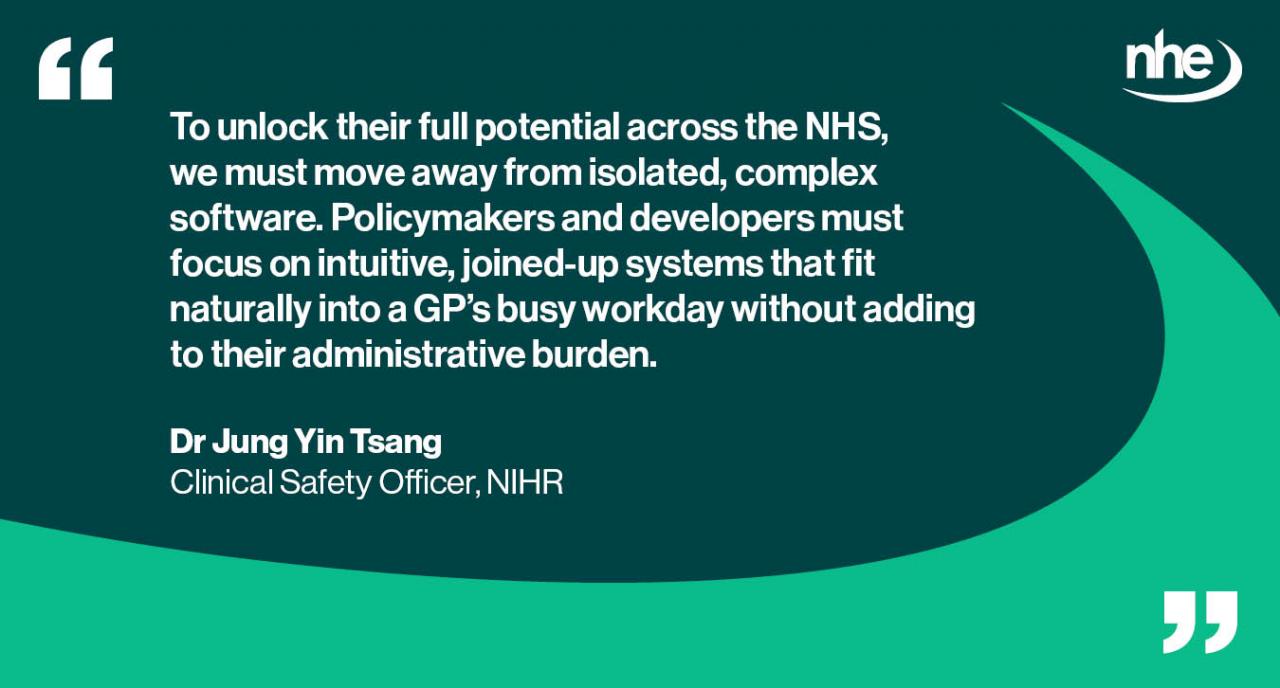
Commenting on the findings, Dr Jung Yin Tsang, who led the research, said:
“Our research suggests that the future of safer care will not be built on software alone, but on how well digital tools work alongside patients, clinicians, pharmacists and healthcare teams.
"To unlock their full potential across the NHS, we must move away from isolated, complex software. Policymakers and developers must focus on intuitive, joined-up systems that fit naturally into a GP’s busy workday without adding to their administrative burden."
The findings provide further evidence that integrated digital solutions could play a critical role in advancing NHS patient safety goals, particularly as primary care continues to embrace technology-enabled care pathways.
Image credit: iStock