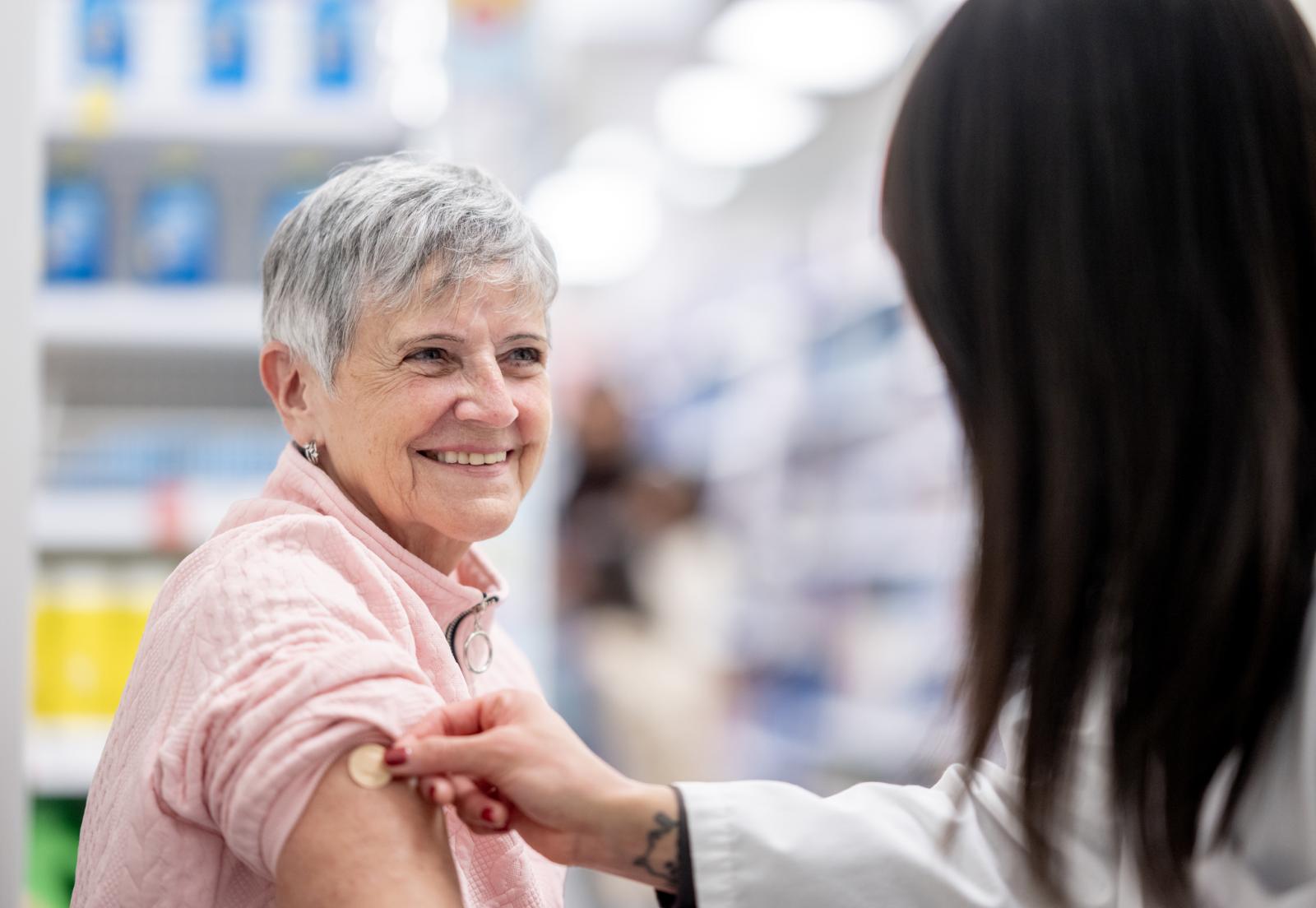

The NHS is calling on millions of eligible people across England to take up their free flu vaccination as part of a major drive to reduce winter illness and ease pressure on health services.
New figures show that more than 10 million flu jabs have already been administered since bookings opened in August, with vaccinations beginning in September. Of those, 2.7 million were delivered in the past week alone.
Despite the strong uptake, millions of eligible people are yet to book an appointment. The Government, NHS and UK Health Security Agency (UKHSA) are stepping up efforts to encourage higher vaccination rates ahead of what is expected to be another challenging winter for health and social care services.
To increase awareness and improve access, the Government has launched a new social media campaign across Facebook, Instagram, Snapchat and, for the first time, TikTok.
The campaign is also promoting a new NHS App feature that allows users to quickly check their eligibility and book a flu vaccination appointment at a local community pharmacy.
Alongside this, the digital ‘Manage a Vaccination in School’ (MAVIS) programme has been accelerated and will now support vaccination delivery across 14,000 schools this year, helping streamline school-age immunisation programmes.
In a further bid to boost uptake among children, ministers have confirmed that the first-ever community pharmacy catch-up programme for school-aged pupils who missed their vaccination earlier in the year will launch later this year.
Health officials continue to stress that flu is far more serious than a common cold, particularly for vulnerable groups including young children, pregnant women, older adults and those living with long-term health conditions.
Health Minister James Frith said:
“Vaccines save lives. It has never been easier to find out if you are eligible and get vaccinated, helping protect yourself and reduce pressure on the NHS during the winter season.
“Eligibility is focused on those most vulnerable - from young children to older adults and people with long-term health conditions - so if you are eligible, please come forward this winter.”
Officials say vaccination remains one of the most effective ways of preventing serious illness, reducing hospital admissions and protecting health services during periods of peak demand.
People eligible for a free flu jab can now access vaccinations through GP surgeries, community pharmacies, schools and temporary community clinics.
Dr Amanda Doyle, NHS National Director for Primary Care and Community Services, said:
“It’s easier than ever for anyone who is eligible to come forward and get their flu vaccine, whether it’s at a GP surgery, high street pharmacy, community pop up clinic or at school, and it’s one of the best things you can do to protect yourself and your family ahead of winter.
“The NHS app is a fantastic and quick way to book, or you can contact your GP or find a pharmacy near you.
“If you’re a parent, we’re making it easier to consent to your child being vaccinated in school with new digital forms.
“We are expecting this winter to be tough, but flu vaccines are a vital way for you to avoid becoming really ill and hospitalised, so please do book your flu jab as soon as possible.”
According to UKHSA estimates, flu vaccinations prevented around 100,000 hospital admissions and 7,000 deaths in England over the past year.
The latest cold weather mortality report has also revealed that 2,200 deaths were associated with cold weather, underlining the heightened health risks facing vulnerable groups during winter months.
The Department of Health and Social Care is also working with major health charities to support the vaccination campaign. Organisations backing a joint open letter encouraging eligible people to get vaccinated include the British Heart Foundation, Parkinson’s UK, Asthma + Lung UK, Diabetes UK, Macmillan Cancer Support, Stroke Association, Cystic Fibrosis Trust, National Kidney Federation and MS Society.
For NHS leaders, increasing flu vaccine uptake remains a critical part of winter preparedness planning, helping protect vulnerable populations while reducing avoidable pressures on hospitals, primary care and urgent care services.
Image credit: iStock