
The NHS has announced landmark progress in tackling waiting times, delivering more elective activity in 2025 than in any previous year in its history. A record 18.4 million treatments and operations were carried out last year, up from 18 million in 2024. As a result, the national waiting list has fallen to 7.29 million, its lowest level since February 2023.
Newly published data also shows the NHS delivered 1.43 million treatments in December alone, an increase of 91,775 on the same month the previous year. This achievement comes despite five days of industrial action by resident doctors, with NHS staff maintaining almost 95% of usual activity throughout the strikes.
Progress is being driven by the ongoing Elective Reform Plan, which is expanding access to community diagnostic centres and surgical hubs, extending evening and weekend clinics, and increasingly enabling patients to go ‘straight to test’ rather than attend multiple appointments.
As a result, the proportion of patients waiting over 18 weeks has slightly decreased to 61.5% and the proportion waiting over 52 weeks has dropped to 1.9%, the lowest since June 2020.
Innovative clinical approaches have further boosted capacity. High‑intensity theatre lists across surgical hubs have maximised the number of procedures carried out in a single day, while robotic‑assisted surgeries have helped reduce procedure times and speed up patient recovery.
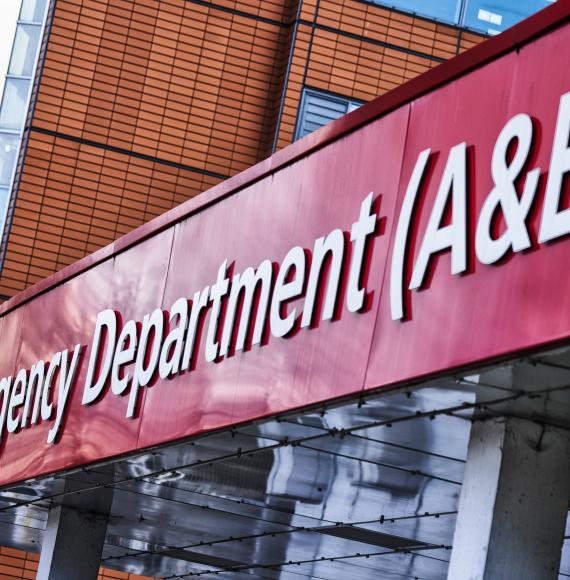
While elective recovery continues, the latest figures show that emergency services remain under intense pressure, with this winter on track to be the busiest ever for the NHS.
Key data highlights:
- 2,320,266 A&E attendances were recorded in January – a record high and a 4.6% increase compared to January 2025
- Ambulance staff faced record incidents across December and January
- Despite this, 206,800 more people have been admitted, transferred or discharged within 4 hours in Type 1 A&E departments this winter compared with last year
- 4‑hour A&E performance this winter stands at 73.5%, up from 72.1% last year
- Ambulance response times have improved on last winter, with Category 1 and Category 2 response times both lower than January 2025
- C1: 8:08 mins (vs 8:16)
- C2: 35:04 mins (vs 35:39)
Hospitals are also managing high levels of seasonal illness, with an average of 1,119 flu patients and 929 norovirus patients in hospital each day last week.
Chief Nursing Officer for England, Duncan Barton, commented:
“Completing a historic high of elective activity is a triumph for NHS staff who continue to innovate and go above and beyond to treat more patients, faster.
“Thanks to early preparations and careful planning, ambulance waits are shorter and A&E treatment times are faster this winter – even as staff face record demand – while we know there is further to go in improving patient flow and cutting the longest emergency department waits.”
“We saw a great response from the public with many people getting protected against winter viruses this year, which is paying off for patients and keeping more people well and at home.
“With a particularly wet start to the year and cold weather alerts issued for England over the weekend, as ever, it’s really important the public continue to come forward for care in the usual way – by dialling 999 in an emergency and otherwise using 111 online, your local pharmacist or GP”.
Separate figures published today show continued progress in cancer diagnostics and treatment. Staff delivered 2.37 million tests and checks in December, while 77.4% of patients received an all‑clear or diagnosis within four weeks of an urgent suspected cancer referral – the highest proportion in nine months.
This follows the government’s launch of the National Cancer Plan, which commits the NHS to meeting all cancer waiting time standards by 2029, ensuring hundreds of thousands more patients are treated within 62 days.
Despite relentless winter pressures, industrial action, and rising demand across emergency services, NHS staff have achieved historic highs in elective care, helping reduce waiting lists and improve outcomes for patients.
With ambitious reform programmes underway and new national commitments on cancer care, the NHS enters 2026 positioned to continue improving access, speed and quality of care for millions.
Image credit: iStock