
The UK Government has unveiled a major overhaul of the nation’s pandemic preparedness, announcing a new Pandemic Preparedness Strategy backed by around £1 billion in health protection measures designed to safeguard the country against future threats.
Published today by the Department for Health and Social Care, the strategy sets out the most comprehensive reforms to the UK’s resilience since Covid‑19 and replaces the previous 2011 pandemic influenza plan. It outlines a suite of actions already underway across government to ensure lessons from the pandemic are fully embedded.
The new strategy includes commitments to:
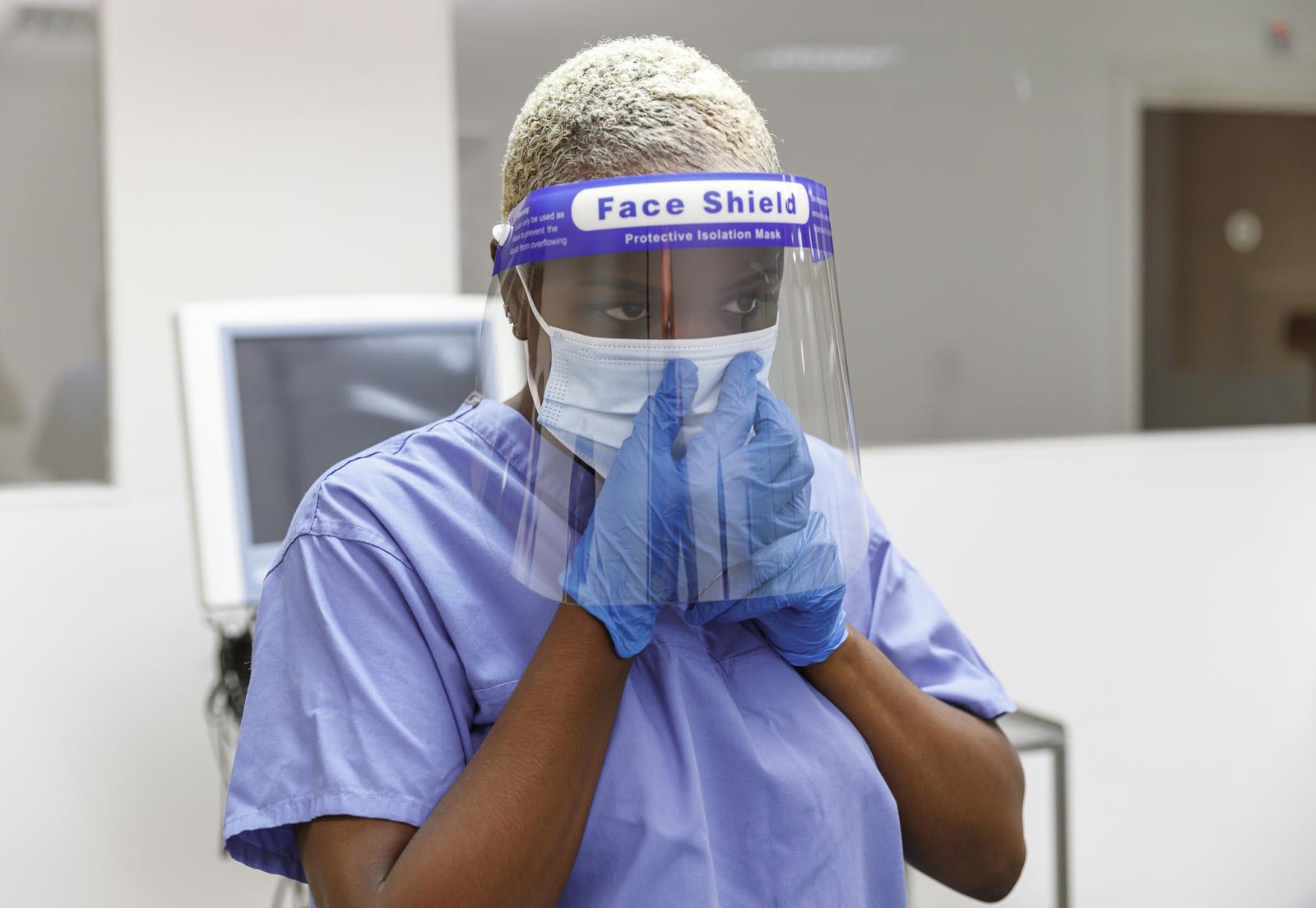
- Replenish and diversify PPE stockpiles, ensuring a reliable supply of different product types and sizes.
- Review departmental pandemic response plans to maintain essential government services and critical national infrastructure during future outbreaks.
- Draft an ‘All Pandemic Hazards Bill’ to ensure government has a ready set of legislative options for different pathogens, alongside pre‑prepared community protection measures.
- Support UK Health Security Agency to build enhanced services for mass testing, contact tracing and scalable public health interventions.
- Expand stockpiles of chemical reagents and lab equipment essential for early‑stage testing capacity.
- Review and standardise data requirements so pandemic‑critical information is available quickly, transparently and consistently across government and to the public.
The strategy draws heavily on early findings from Exercise Pegasus, the UK’s largest pandemic simulation, conducted in Autumn 2025. The national exercise brought together every government department, devolved governments, local resilience forums, arm’s‑length bodies and key stakeholders to test response capabilities against a simulated multi‑week pathogen outbreak.
Officials say lessons from the exercise are already shaping preparedness measures across the UK’s health and emergency planning systems.
The strategy also sits alongside wider work to strengthen the UK’s vaccine supply chain. The government has signed a 10‑year partnership with Moderna, which has resulted in a new state‑of‑the‑art innovation and technology hub in Oxfordshire. The facility is producing British‑made mRNA vaccines, improving domestic capability and reducing reliance on international supply chains during global crises.
Publication of the strategy coincides with the government’s official response to the UK Covid‑19 Inquiry Module 2 report, outlining how departments have improved decision‑making, governance and protections for vulnerable groups since 2020.
Reforms include:
- Stronger standards and selection processes for SAGE, the government’s scientific advisory group.
- A complete review of the UK’s crisis response framework, focused on faster, clearer and more coordinated emergency action.
- Measures ensuring vulnerable groups are at the centre of emergency planning.
- Improved cooperation with devolved governments, including access to relevant emergency briefings.
UKHSA Chief Executive Susan Hopkins said:
“The Covid-19 pandemic has taught us the vital importance of being prepared for future health threats and this strategy underlines a shared commitment across Government to continue building our resilience capabilities.
“Our experience of responding to large-scale incidents and pandemics enables us to ensure that future responses are more effective, efficient and equitable, and we continue to play our part in developing our capabilities for diagnostics, surveillance, vaccine development and testing, to keep our country’s health secure.”
By strengthening vaccine security, updating legislation, improving data flows and enhancing public health infrastructure, the plan aims to ensure the UK can act decisively and protect lives more effectively when the next major health threat emerges.
Image credit: iStock