
The UK government has announced up to £20 million in new funding to support efforts to contain the ongoing Ebola outbreak in eastern Democratic Republic of the Congo (DRC), as international concern grows over the spread of the deadly disease.
The funding will support the World Health Organisation (WHO), the United Nations, international agencies and NGO partners to respond rapidly to the outbreak. It will focus on strengthening disease surveillance, supporting frontline health workers, improving infection prevention and control, and ensuring affected communities can access lifesaving care.
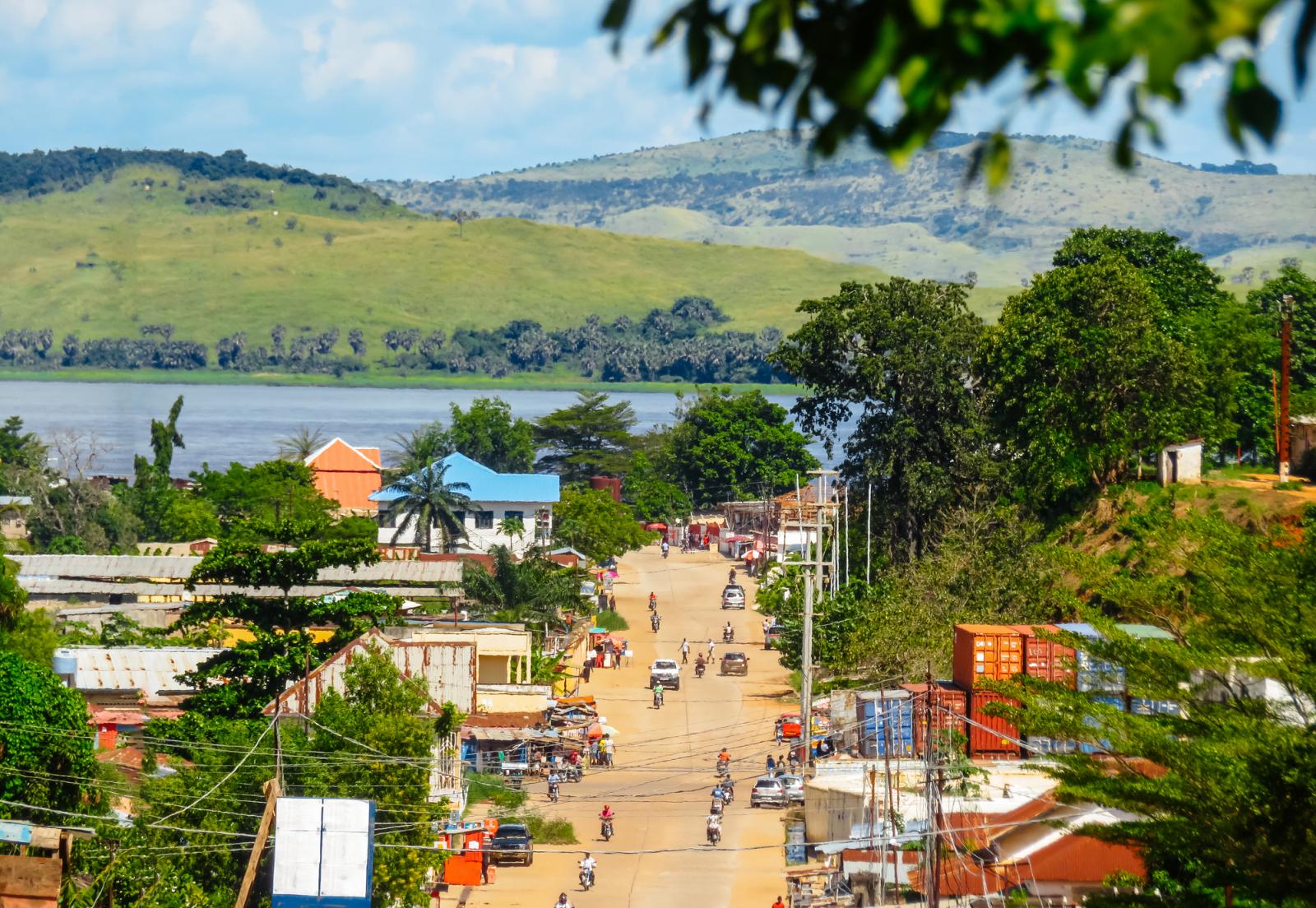
Most confirmed Ebola cases have been reported in the Ituri region of eastern DRC – an area already facing acute humanitarian pressures and ongoing security challenges. These conditions increase the risk of transmission and complicate efforts to deliver care and contain the virus.
UK humanitarian response already underway
Alongside the new funding commitment, UK‑backed humanitarian partners are already responding on the ground. The UK has been working with leading international humanitarian organisations to contain the outbreak and reduce wider public health risks.
Through the Strategic Assistance for Emergency Response (SAFER) consortium, existing funding is being redirected to strengthen water, sanitation and hygiene (WASH) systems, ensure frontline responders and local communities have access to vital personal protective equipment (PPE), and reinforce Ebola containment measures.
The UK is also refocusing support to protect maternity facilities and strengthen the role of civil society organisations in prevention and control. This includes mitigating the heightened risk of birth complications and sexual violence, which often increases during health emergencies and humanitarian crises.
Cross‑government coordination and global health security
The Foreign Secretary and the Secretary of State for Health and Social Care chaired a cross‑government meeting to coordinate the UK’s response to the outbreak. Discussions covered how best to support international partners, strengthen containment efforts and protect British nationals overseas.
Foreign Secretary Yvette Cooper said:
“It is vital we act now to save lives – outbreaks like Ebola do not stop at borders, and neither can we.
“This outbreak is a stark reminder that global health threats require a global response. The UK is working hand-in-hand with partners – boosting much needed funding but also sharing our technical expertise, to contain the outbreak, protect our security, and support those most at risk.
“The UK Health Security Agency (UKHSA) is assessing routes by which travellers enter the UK from the affected countries and will be working with the Foreign, Commonwealth & Development Office, Department for Transport, and Border Force to ensure information is available to them on Ebola symptoms and how to access healthcare if unwell. The UK has updated its travel advice and advises against all but essential travel to some parts of the DRC.”
As part of the response, the UK Health Security Agency (UKHSA) has activated its Returning Workers Scheme. The scheme is designed to protect and monitor the health of individuals travelling from the UK to Ebola‑affected areas as part of their work.
Organisations deploying staff to affected regions where they may be exposed to Ebola are being urged to register those workers with the scheme, helping to ensure appropriate monitoring and rapid response if symptoms develop.
Protecting patients, workers and global health
The UK’s intervention reflects its wider commitment to global health security, recognising that infectious disease outbreaks pose risks far beyond national borders. Supporting early containment efforts not only protects vulnerable communities in the DRC, but also reduces the likelihood of international spread.
For the UK health system, the measures also reinforce the importance of preparedness, surveillance and coordinated action, both overseas and at home, in responding to emerging infectious disease threats.
Image credit: iStock