

The government has unveiled sweeping reforms to modernise the NHS in England, with new legislation expected to significantly reduce pressure on urgent care services while improving patient safety and experience.
The NHS Modernisation Bill, due for debate in Parliament today, introduces a landmark Single Patient Record (SPR) – a digitally integrated system that will allow clinicians across the country to access a unified view of a patient’s medical history for the first time.
A step-change in joined-up care
At the heart of the reforms is a legal requirement for all NHS providers – including hospitals and GPs – to share patient data securely, eliminating longstanding fragmentation across the health system.
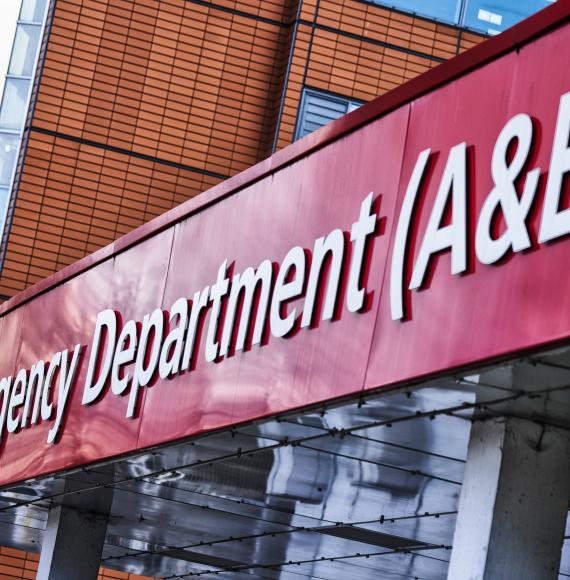
By bringing records together, the government expects up to 20,000 fewer A&E attendances, and around 6,000 fewer hospital admissions each year. For patients, the change is designed to end the frustration of repeating their medical history at every point of care, while improving safety and clinical decision-making.
The Single Patient Record will also support a shift towards care closer to home, particularly benefiting frailty and community-based services, and reducing misdiagnoses through better access to complete patient data.
Productivity, safety, and cost savings
Beyond improving outcomes, the reforms aim to drive significant efficiencies:
- Over £20 million annual savings through better medicines management
- Around 500,000 clinician hours freed up each year, reducing administrative burden
Clinicians will gain instant access to prescribing histories, allergies, and treatment records - helping to deliver safer, faster care.
Patients will also retain control over how their data is used, supported by robust safeguards including audit trails and consent mechanisms.
James Murray, Secretary of State for Health and Social Care, underscored the importance of the reform, drawing on personal experience:
“When I was in my 20s I was diagnosed with a rare neurological condition. I am now symptom-free and I get fantastic support from the NHS. But I know how much effort it can be to keep different parts of the health service joined up, and how distressing it is for some patients to repeat their medical history over and over.
“That’s why our Single Patient Record is so important. It sits at the heart of our NHS Modernisation Bill will end this once and for all - making care safer while saving clinicians’ time.
“My priority as Health Secretary is to modernise the NHS and make it work better for patients. This is our 10 Year Health Plan in action – making the NHS fit for the future by building it around patients’ lives, not the other way round.”
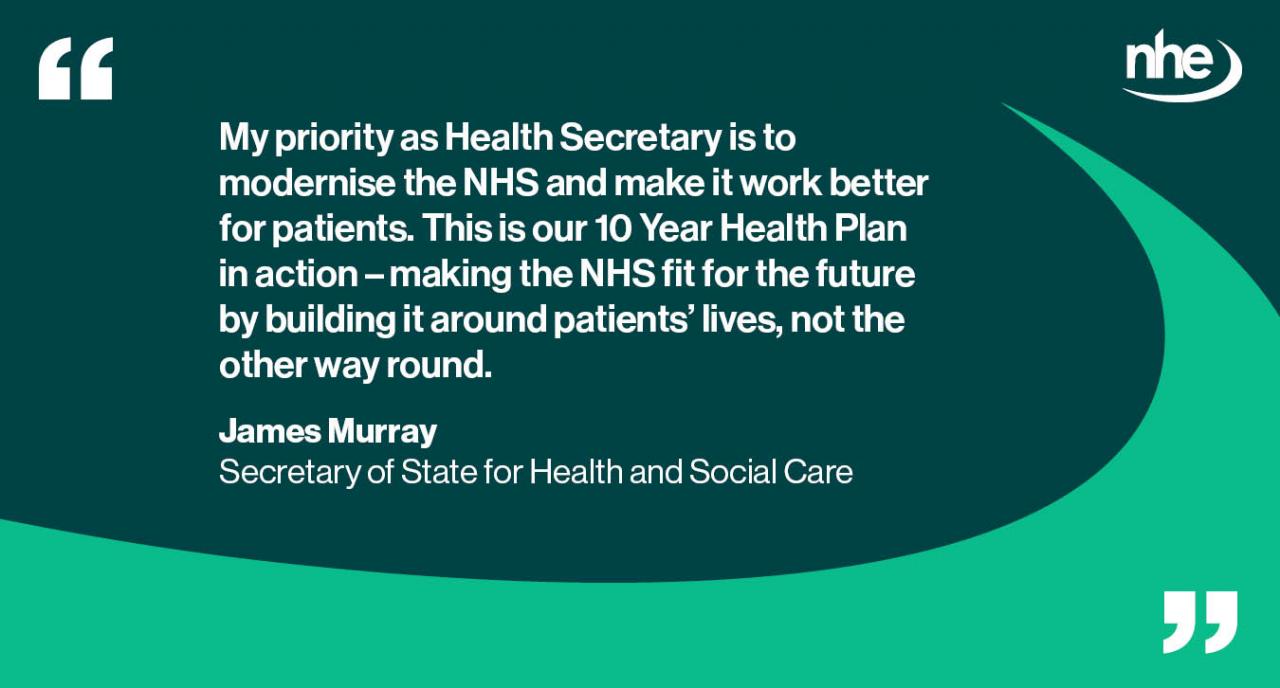
Initial rollout is expected from 2027, starting with high-priority specialties such as maternity and frailty care.
The impact could be particularly profound in maternity care, where patients currently need to recount their medical history from memory during initial appointments – creating risks of incomplete information.
Structural reform: Ending NHS England
Alongside digitisation, the Bill will introduce major structural changes by absorbing NHS England into the Department of Health and Social Care (DHSC) – a move intended to reduce duplication and streamline decision-making.
The government argues that removing overlapping responsibilities between organisations will:
- Cut bureaucracy
- Improve accountability
- Free up resources for frontline care
This aligns with wider ambitions to simplify governance and reduce administrative overhead across the system.
NHS Online: A virtual care revolution
In parallel, the government confirmed the launch of a new Online NHS Trust, chaired by John Browett, which will deliver virtual specialist care via the NHS App and video consultations.
Expected to go live in 2027, NHS Online will:
- Provide up to 8.5 million appointments and assessments in its first three years
- Help tackle backlogs more quickly
- Enable clinicians to work flexibly across regions
The initiative represents a major expansion of digital-first care, supporting the broader transformation agenda.
Signs of progress across the NHS
The reforms build on recent performance improvements:
- Waiting lists have fallen to their lowest level in over three years
- A 110,000 reduction in a single month marks the biggest improvement in 17 years
- Over 100 community diagnostic centres are now operating extended hours
- GP satisfaction has risen significantly, from 60% to 75%
- Ambulance response times for critical conditions have improved
While challenges remain, particularly in sustaining long-term performance gains, the direction of travel is positive across key metrics.
Image credit: iStock