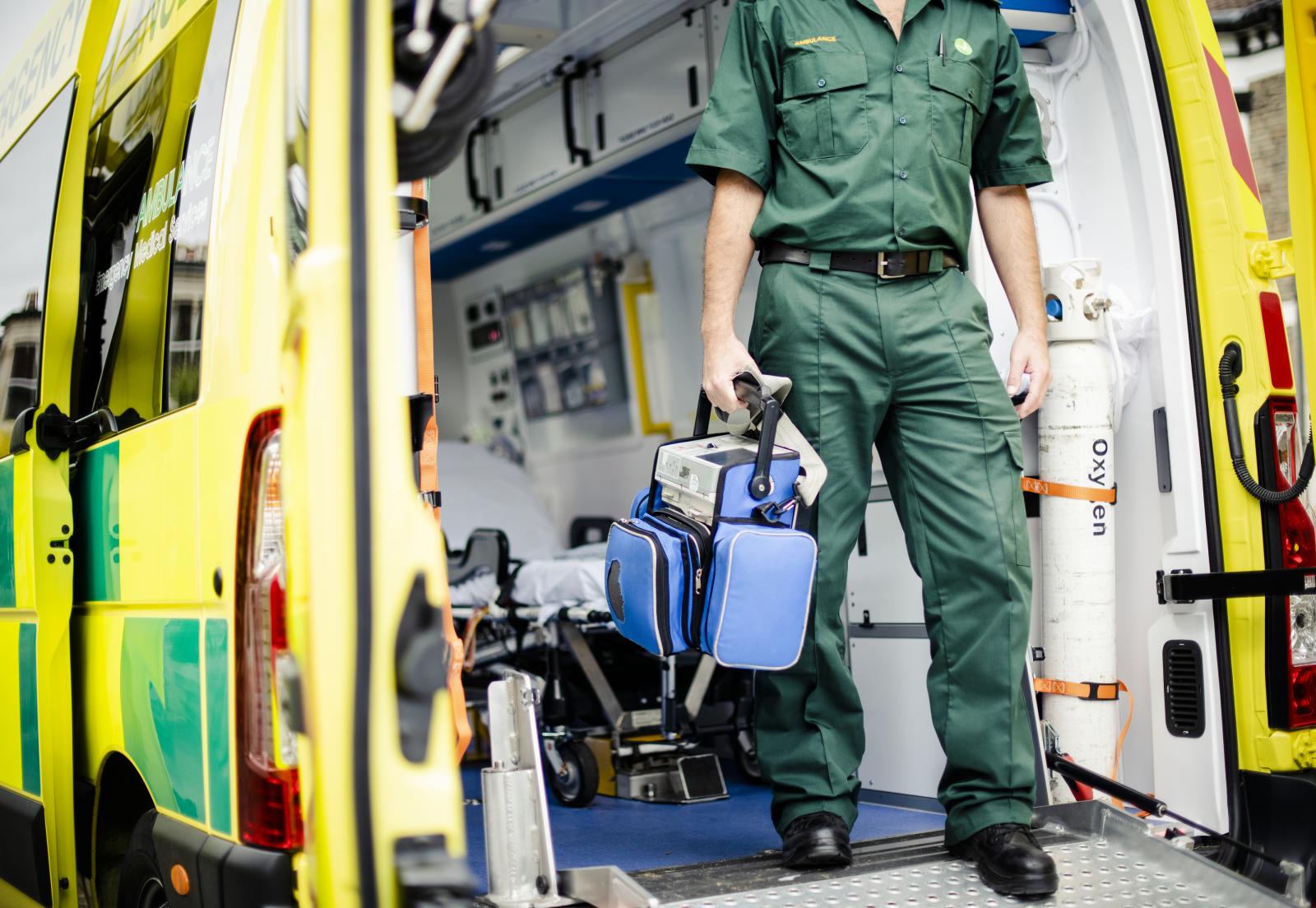

The East of England Ambulance Service NHS Trust has become the first ambulance service in the UK to deploy live video technology during out-of-hospital cardiac arrest (OHCA) incidents, marking a significant step forward in emergency care and cardiac arrest survival.
Launched in September 2025, the innovative OHCA desk pilot was made possible through a grant awarded to the EEAST Charity by NHS Charities Together. The initiative was designed to improve the quality of cardiopulmonary resuscitation (CPR), support better clinical decision-making, provide guidance to rescuers and ensure patients receive the most appropriate emergency response.
Based within EEAST's Emergency Operations Centre (EOC), the dedicated OHCA desk is staffed by advanced paramedics who use GoodSAM Instant-on-Scene technology to gain a live visual connection with the scene of a cardiac arrest. This real-time insight enables clinicians to assess events as they unfold, guide bystanders through critical interventions and provide expert support before ambulance crews arrive.
High-quality CPR and rapid defibrillation remain two of the most important factors affecting survival from a cardiac arrest. Traditionally, ambulance services have relied solely on telephone conversations to support callers, limiting visibility of how CPR is being delivered.
By introducing live video, EEAST has transformed this process. Advanced paramedics can now assess CPR performance in real time, offering tailored guidance on hand positioning, compression depth, rate, chest recoil, compression fraction and defibrillator use.
The impact has been substantial. Since launching the pilot, the OHCA desk has:
- Reviewed 3,445 cardiac arrest calls
- Delivered 1,000 direct clinical interventions
- Activated live video support on 237 occasions
- Achieved 457 measurable improvements in CPR or defibrillation delivery
In the vast majority of cases, clinicians were able to help rescuers improve the quality of life-saving interventions being delivered to patients.
The benefits of the programme extend beyond clinical outcomes. Cardiac arrest incidents can be highly distressing for family members, friends and members of the public who suddenly find themselves attempting to save a life.
The introduction of live video support has helped reassure callers and improve confidence during these critical moments, ensuring rescuers feel supported throughout the emergency response.
Recognising the emotional impact of resuscitation attempts, EEAST has also developed a dedicated aftercare service. Specialist aftercare paramedics now contact rescuers following incidents to offer reassurance, emotional support and guidance towards additional resources where appropriate.
Feedback from those who have received follow-up support has been overwhelmingly positive, with many expressing surprise and appreciation that such a service exists.
The OHCA desk has also enhanced the operational management of cardiac arrest calls across the trust.
Advanced paramedics review suspected cardiac arrest incidents in real time, helping determine the most clinically appropriate response while identifying circumstances where resuscitation may not be suitable. This ensures a more personalised and compassionate approach for patients and their families.
While the pilot's original objective was to improve CPR quality for viable cardiac arrests, it has also enabled clinicians to provide dignity, compassion and reassurance in situations where a patient has died. The programme has contributed to a reduction in inappropriate resuscitation attempts while supporting more effective deployment of ambulance resources.
Following the success of the pilot, EEAST has committed to expanding the OHCA desk into a seven-day-a-week service through its advanced paramedic programme.
The initiative has attracted significant attention from ambulance services across the UK, with growing interest in adopting similar live video-enabled approaches to emergency cardiac arrest care.
As ambulance services continue to embrace digital innovation, EEAST's pioneering model demonstrates how technology can strengthen clinical decision-making, improve patient outcomes and provide crucial support to both rescuers and families during some of life's most challenging moments.
Image credit: iStock