
Artificial intelligence could become the first-line tool for analysing heart MRI scans after a landmark international study found that AI-generated measurements of heart function were more strongly associated with patient survival than assessments made by experienced clinicians.
The research, led by researchers at City St George's, University of London and University College London (UCL) and published today, examined one of cardiology's most important indicators: ejection fraction.
Ejection fraction measures how effectively the heart pumps blood around the body and plays a central role in determining treatment pathways for patients with cardiovascular disease. The metric is routinely used to guide decisions about heart failure therapies, implanted cardiac devices, revascularisation procedures, surgical risk assessments and the monitoring of patients undergoing chemotherapy.
Largest Study of Its Kind
Researchers analysed cardiac MRI scans from 27,382 patients in the UK and United States who were being investigated for known or suspected heart disease.
Patients were followed for an average of more than five years, during which 3,458 deaths were recorded.
The study compared ejection fraction measurements produced by an AI-powered analysis tool with those generated by expert clinicians reviewing cardiac MRI scans.
Findings showed that AI-derived measurements were slightly but significantly better at identifying patients at increased risk of death than clinician-generated measurements. Importantly, the association remained significant even after adjusting for factors including age and sex.
Faster Results With Greater Consistency
In addition to improved prognostic performance, the AI system delivered a substantial efficiency advantage.
The tool analysed each patient scan in approximately two to three seconds, compared with around 13 minutes typically required for expert clinician assessment, based on previous research undertaken by the team.
Speaking about the findings, Dr George Joy, NIHR Clinical Lecturer from the Cardiovascular Clinical Academic Group at City St George's, University of London and lead author of the study, said:
"Ejection fraction is one of the most important measurements we make in cardiology because it helps determine how patients are treated and how closely they should be monitored."
“Our findings suggest AI can measure this important marker with remarkable consistency and precision, resulting in a small but meaningful improvement in identifying patients at higher risk."
Human Oversight Remains Essential
While the findings highlight AI's potential clinical value, researchers emphasised that technology should support, rather than replace, healthcare professionals.
The study found that AI-related errors were uncommon, with an error rate of around 1% at patient level, affecting just 0.08% of images analysed.
Clinicians will continue to play a vital role in validating results, identifying anomalies and interpreting imaging findings within the wider clinical context.
Dr Rhodri Davies, Associate Professor at UCL, senior author of the research and inventor of the AI tool, said:
"Even modest improvements in accuracy can have a significant impact when applied across thousands of patients. AI is not replacing clinicians, but it can provide faster, more consistent measurements at low-cost and support more streamlined clinical decision-making that ultimately benefits patients.”
Supporting NHS Efficiency and Earlier Intervention
The findings add to growing evidence that AI can enhance diagnostic workflows while helping healthcare services manage rising demand.
Researchers believe the technology could reduce reporting workloads, improve consistency across services and help patients access potentially life-saving treatments more quickly.
The team is now exploring how AI-derived measurements from cardiac MRI scans can be combined with other diagnostic tools, particularly electrocardiograms (ECGs), to detect heart muscle disease at an earlier stage and enable intervention before irreversible damage occurs.
The research was funded through an NIHR Clinical Lectureship, the NIHR UCLH Biomedical Research Centre, and a British Heart Foundation Accelerator Award.
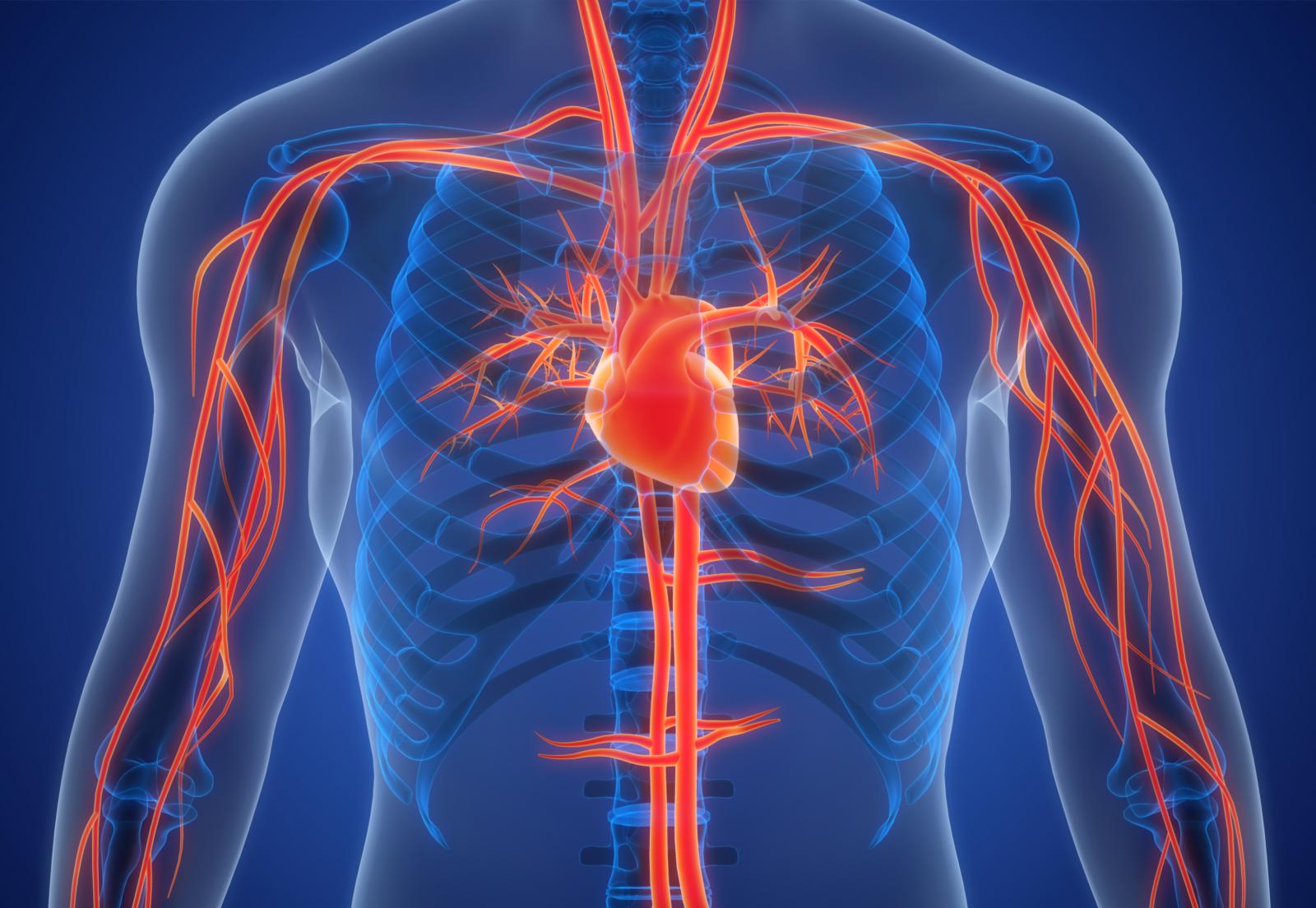
Image credit: iStock