
A new investigation by the Health Services Safety Investigations Body has highlighted serious patient safety concerns for people with a learning disability who use insulin, finding that gaps in support, service provision and technology design are contributing to avoidable harm.
The report, Insulin: supporting safe self-administration for patients in the community with a learning disability, found that people with a learning disability are not always receiving the support they need to safely manage their diabetes, despite evidence that many can successfully self-administer insulin when the right safeguards are in place.
The investigation examined the experience of "Ms H", a woman with a learning disability and type 2 diabetes who lives in a residential care setting. With the help of specialist support and supervision, she learned to self-administer her insulin, enabling her to enjoy greater independence and flexibility in her daily life.
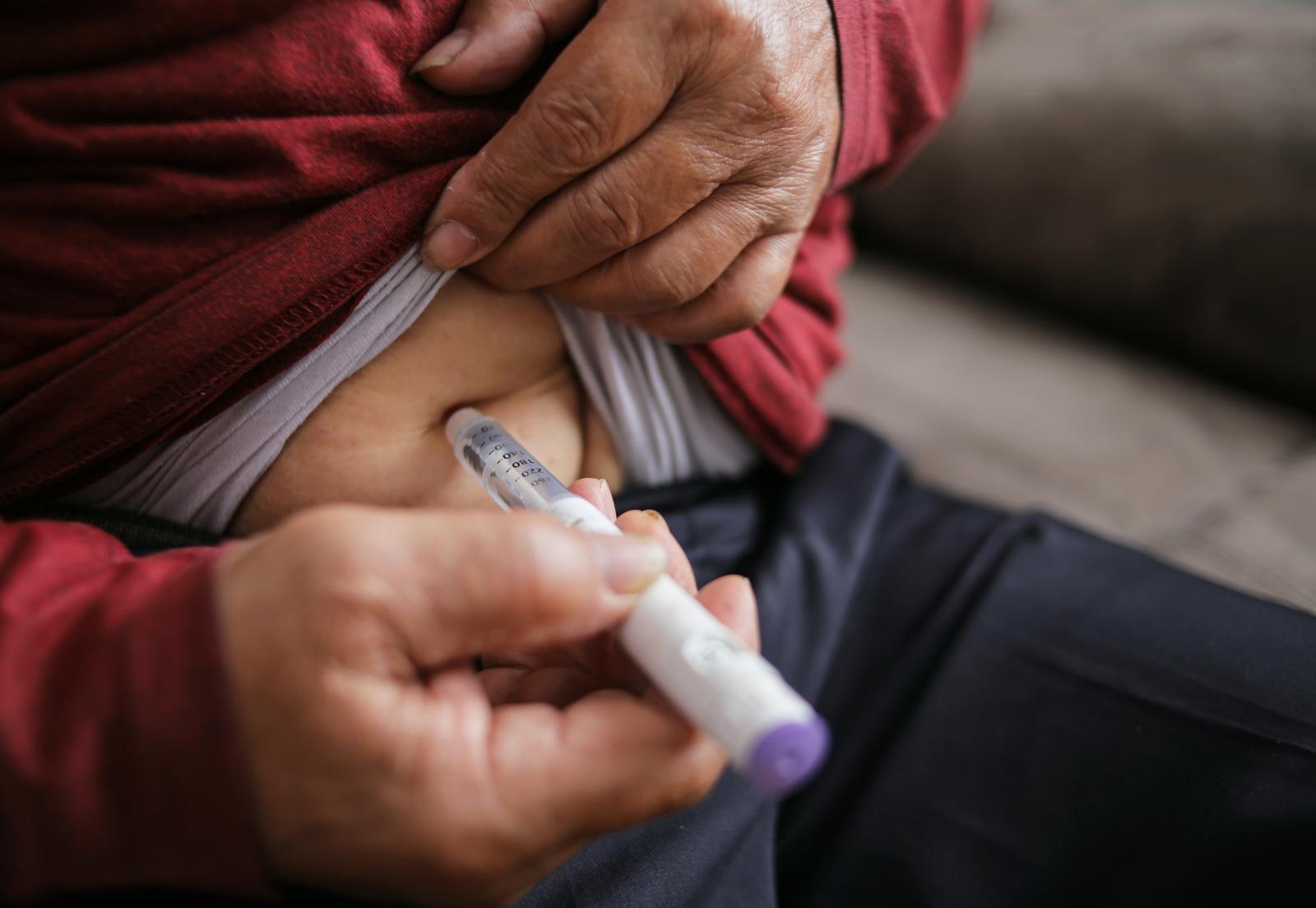
However, investigators found that the design of insulin pens created significant challenges. A change in device contributed to a period during which Ms H was unknowingly not receiving her insulin correctly, exposing her to potential harm.
The case demonstrates both the benefits of empowering people with learning disabilities to manage their own care and the risks that emerge when healthcare systems, technology and support arrangements fail to meet individual needs.
HSSIB identified several recurring issues affecting the safety of insulin self-management among people with learning disabilities:
- People with a learning disability who require insulin have experienced harm when they have not been adequately supported to self-administer medication safely.
- Individuals are not always empowered or enabled to manage their diabetes independently, even when they may have the capability to do so.
- Limited access to specialist learning disability services can restrict the ability of frontline staff to obtain expert advice and guidance.
- Diabetes technology and insulin delivery devices are not consistently designed with the needs of people with learning disabilities in mind.
- Significant evidence gaps remain regarding how people with learning disabilities manage insulin-dependent diabetes and what support mechanisms are most effective.
The investigation also highlighted concerns that insulin-related incidents occurring in community settings may be underreported, potentially masking the true scale of the patient safety challenge.
As a result of its findings, HSSIB has issued a safety recommendation to the National Institute for Health and Care Research (NIHR), calling for greater research into the support, training and technology required to enable safe insulin self-management for people with learning disabilities.
The recommendation aims to address longstanding gaps in knowledge and ensure future diabetes services and innovations are designed to meet the needs of this often underrepresented patient group.
Nick Woodier, Senior Safety Investigator at HSSIB, said:
"Many people with a learning disability can and do successfully manage their diabetes with insulin when they receive the right support. However, our investigation found that too often the systems around them are not designed with their needs in mind.
"What is particularly striking is that many of the factors contributing to harm in this investigation are the same as those identified in our earlier reports involving other vulnerable patient groups. Issues around access to support, staff knowledge, communication, technology and the application of reasonable adjustments are recurring themes that cut across the healthcare system.
"We also found important gaps in the evidence. Without better research, we cannot fully understand how to support people with a learning disability to self-manage insulin safely or ensure diabetes technology is designed and implemented in a way that works for everyone.
"If we are serious about reducing health inequalities and improving patient safety, people with a learning disability must be better represented in research and innovation. Addressing these evidence gaps will help ensure future NHS services, technologies and support are designed around people's needs rather than expecting people to adapt to the system."
The findings reinforce growing concerns about health inequalities experienced by people with learning disabilities and raise important questions about whether current diabetes services, technologies and support pathways are accessible for all patients.
For NHS leaders, integrated care systems and diabetes services, the report serves as a reminder that improving patient safety requires not only effective clinical care, but also inclusive service design, accessible technology and equitable access to specialist support.
Image credit: iStock