
The UK is taking a significant step towards reducing the use of animals in scientific research, with £22 million in new funding dedicated to developing cutting-edge alternatives that could accelerate the arrival of new treatments for patients.
A new national research centre, alongside nine innovative projects, will focus on creating more accurate ways to test medicines using human biology rather than animals. The initiative is expected to support faster development of treatments for conditions such as cancer and inflammatory bowel disease, while strengthening the UK's position as a global leader in life sciences innovation.
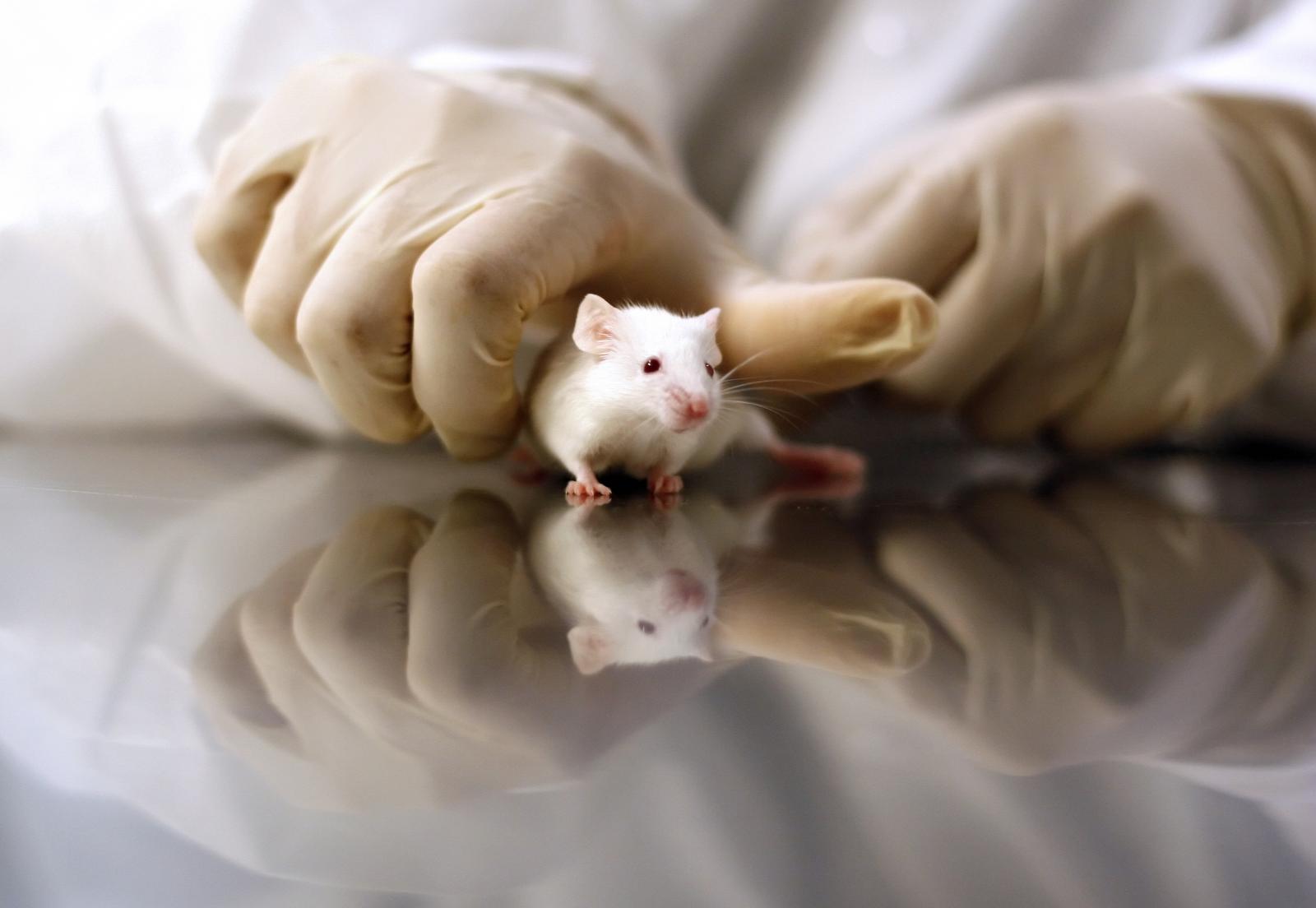
The announcement comes as the latest figures show there were 2.54 million animal testing procedures carried out in Great Britain during 2025, representing a 3.8% decrease compared with 2024.
A key focus of the new centre will be the development of organoids – miniature, laboratory-grown versions of human organs and tissues, including the gut, brain and tumours. These sophisticated models retain many of the biological characteristics of the patients who donated the cells, giving researchers a more accurate insight into how individuals may respond to new medicines.
By enabling scientists to test treatments on human-derived tissues earlier in the development process, researchers hope to identify promising therapies more quickly and improve decision-making before clinical trials begin.
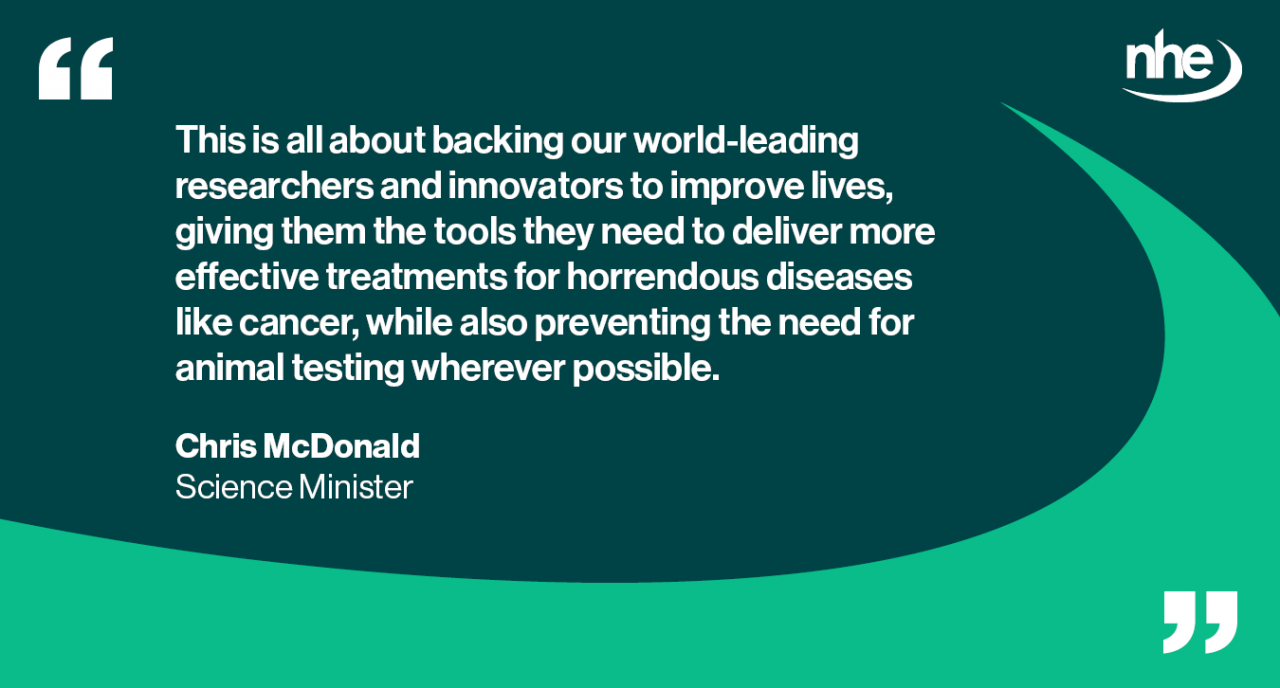
Speaking about the initiative, Science Minister Chris McDonald said:
“Today marks another significant step forward in the UK’s move away from animal testing in science and research.
“This is all about backing our world-leading researchers and innovators to improve lives, giving them the tools they need to deliver more effective treatments for horrendous diseases like cancer, while also preventing the need for animal testing wherever possible.
“It’s also a boost for our life sciences sector – with British firms using samples donated by real people and harnessing AI to predict how a medicine behaves – fuelling opportunities for new investment and new jobs, and ensuring Britain is better off.”
The new hub will allow universities, research organisations and pharmaceutical companies to access advanced laboratory models that may help shorten development timelines for potentially life-changing medicines.
Alongside the hub investment, Innovate UK is providing up to £2 million to support nine pioneering projects focused on reducing reliance on animals in scientific testing. The projects range from laboratory-grown heart tissue and human ear models to artificial intelligence systems capable of predicting how medicines move through the body.
Many of the initiatives target safety studies that have historically depended on testing in dogs and non-human primates.
Among the organisations receiving support is CN Bio, which is developing tiny working replicas of human organs capable of fitting onto microscope slides. These models enable scientists to study how drugs travel through and interact with the body, offering an increasingly sophisticated alternative to traditional animal-based pre-clinical research.
Meanwhile, Vivosphere UK is expanding its work on tumour and liver models by developing laboratory-grown human heart tissue. Researchers hope this will help identify potentially harmful side effects earlier in the development process, improving patient safety while reducing dependence on animal studies.
The investment also highlights the growing importance of the UK's life sciences industry, which generates approximately £147 billion in annual turnover and supports around 360,000 jobs nationwide.
Government officials believe advances in organoids, human tissue engineering and AI-powered modelling will not only improve drug discovery but also attract investment, create highly skilled employment and strengthen the UK's international competitiveness in biomedical research.
For healthcare leaders and NHS organisations, the developments could ultimately support the delivery of safer, more personalised treatments while helping the sector move towards more ethical and scientifically advanced research methods.
Image credit: iStock