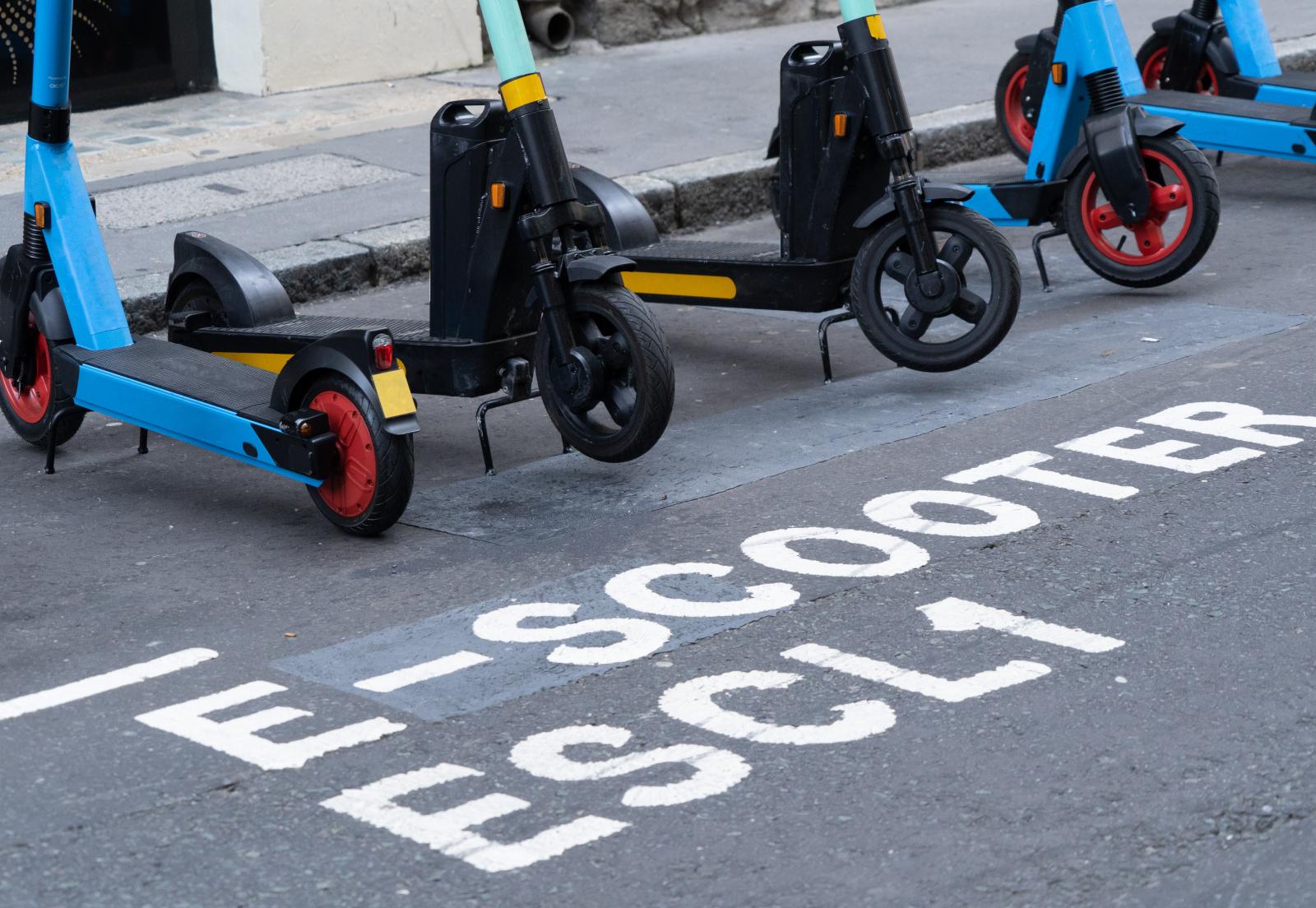

Children’s doctors from three of England’s leading major trauma centres are warning parents and carers about the dangers of e-scooters after new research revealed a sharp increase in serious injuries among young people.
A study published in the Emergency Medicine Journal examined e-scooter-related injuries treated between January 2019 and December 2024 at Alder Hey Children’s NHS Foundation Trust in Liverpool, Royal Manchester Children’s Hospital and Sheffield Children’s NHS Foundation Trust.
Researchers identified 477 children who attended hospital following an e-scooter incident during the six-year period. The number of cases rose dramatically from fewer than 10 in 2019 to almost 150 in 2024, highlighting what clinicians describe as a growing public health concern.
The average age of injured children was 12, with half of those treated aged between 10 and 13 years old. Boys accounted for almost two-thirds (64.5%) of all injuries.
One of the study’s most concerning findings was the lack of protective equipment being used. Fewer than 2% of injured riders were reported to have been wearing a helmet at the time of their accident.
Although rental e-scooters are restricted to people aged 16 and over within government-backed trial schemes, privately owned e-scooters continue to be widely used by children despite being illegal to ride on public roads, pavements and other public spaces.
The research found that the vast majority of injuries involved the rider themselves, while privately owned e-scooters were involved in four out of five incidents.
Key findings from the study include:
- 95% of injuries involved the rider.
- 80% involved privately owned e-scooters.
- 75% resulted from falls from the e-scooter.
- Nearly 12% involved collisions with another vehicle.
- 5% involved pedestrians being struck by an e-scooter.
- More than half of all incidents occurred on public land, including roads, pavements and parks.
While injuries to the arms and legs were most common, the study also highlighted the significant risk of serious head and facial trauma.
Almost one in four children (24%) suffered a head injury, while 18.5% sustained facial injuries. Around one in ten head injuries was severe enough to require medical imaging, hospital admission and, in some cases, surgery.
The increase in injuries is also having a notable impact on hospital resources.
The study found:
- Nearly 65% of children required medical imaging.
- More than 13% were admitted to hospital.
- 7% required surgery.
Researchers say these figures demonstrate the substantial burden e-scooter injuries are placing on paediatric emergency departments and trauma services across England.
The analysis also revealed a strong link between e-scooter injuries and deprivation.
Almost three-quarters (74%) of injured children lived in areas experiencing the highest levels of social and economic deprivation.
Although the study did not investigate the reasons behind this trend, researchers said the findings underline the need for targeted public health campaigns and education initiatives to improve safety awareness and reduce preventable injuries among children and young people.
Researchers are urging policymakers, local authorities, schools and youth organisations to play a greater role in educating young people about the risks associated with e-scooter use.
Caroline Rushmer, Children’s Major Trauma Coordinator at Royal Manchester Children’s Hospital, said:
“This research is really important as it helps raise awareness of the dangers of e-scooters. We’ve seen families in our hospital deal with the grief and trauma that these accidents can bring. These are not toys, they’re dangerous and their high-speed makes them unsuitable for children and young people.
“So, we hope with this research shining a light on the impact we’re seeing in our children’s emergency departments it will raise awareness of their dangers and help parents and young people take a moment to think before they get one.”
The study concludes that urgent action is needed to improve public awareness, strengthen safety messaging and review existing legislation to help prevent further serious injuries and potential fatalities involving children and e-scooters.
Image credit: iStock