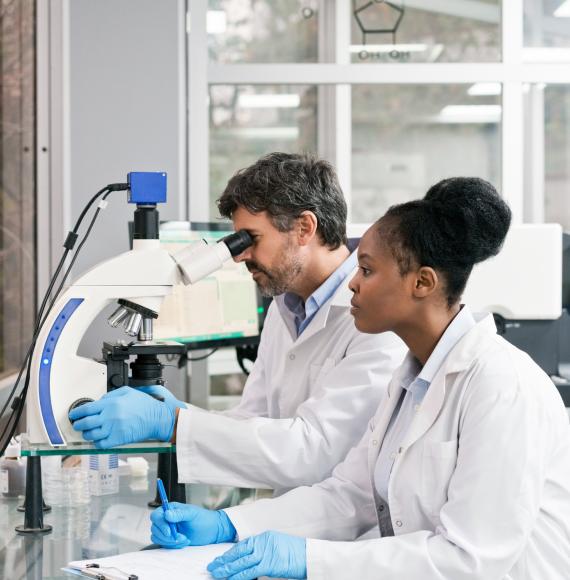


Researchers from Bill Newman's team at Manchester University NHS Foundation Trust and The University of Manchester have uncovered a new genetic cause of the rare inherited condition Perrault syndrome, marking a significant advance in the diagnosis and understanding of the disorder.
The discovery, published in the American Journal of Human Genetics, provides long-awaited answers for families who previously remained without a confirmed genetic diagnosis despite years of investigations.
Perrault syndrome is a rare genetic condition typically characterised by hearing loss in both males and females, alongside infertility caused by ovarian dysfunction in women. While earlier research had identified several genes linked to the condition, a number of patients remained without a clear genetic explanation.
Now, a new study co-funded by the National Institute for Health and Care Research (NIHR) Biomedical Research Centre (BRC): Manchester, RNID, with support from The Freemasons’ Charity and the Medical Research Council, has identified variants in a previously unknown gene associated with the syndrome.
Importantly, researchers found that the gene, known as GPN2, causes the condition through an entirely different biological pathway from those previously identified, opening up new avenues for research and future treatments.
Leading the study was Bill Newman, Consultant in Genomic Medicine at MFT and Professor at UoM, who said:
“This research gives long-awaited answers to families who previously had no explanation for their condition and could prevent unnecessary investigations for individuals.
“Knowing the exact genetic cause of the condition can help clinicians monitor hearing, development, and hormone health more closely; and provide earlier and more tailored support. It also enables accurate genetic counselling for other family members who may be at risk.”
The international research team brought together experts from Manchester, Newcastle, Dublin, Pakistan, Australia and the United States, highlighting the global effort required to advance understanding of rare diseases.
The study examined three unrelated families from Pakistan, Ireland and Australia who had been diagnosed with Perrault syndrome but did not carry variants in any of the genes previously associated with the condition.
Using advanced genetic testing techniques, researchers discovered that all 13 affected individuals shared damaging variants in the GPN2 gene. The findings confirmed that the condition is inherited in an autosomal recessive pattern, meaning children develop the disorder when they inherit a faulty copy of the gene from both parents.
All affected individuals experienced severe hearing loss and ovarian dysfunction in women. Some participants also showed neurological features, including balance difficulties (ataxia) and mild intellectual disability.
The discovery is expected to improve diagnosis rates for patients worldwide, allowing clinicians to deliver more personalised care, earlier interventions and more accurate genetic counselling for affected families.
Researchers are now seeking to identify additional individuals and families with GPN2-related Perrault syndrome. The team believes a deeper understanding of the gene's role could ultimately pave the way for more effective and targeted treatments for people living with the condition.
As genomic medicine continues to transform rare disease diagnosis, the findings represent another major milestone for Manchester's internationally recognised genetics research community and offer fresh hope to patients who have spent years searching for answers.
Image credit: iStock