

Researchers developing the next generation of antimicrobial treatments and diagnostic tests now have access to five new collections of drug-resistant bacteria, thanks to a collaboration between the UK Health Security Agency (UKHSA) and Pathways to Antimicrobial Clinical Efficacy (PACE).
The initiative aims to help scientists evaluate potential new therapies against the antimicrobial resistance (AMR) patterns currently being seen in healthcare settings across the UK and around the world.
Antimicrobial resistance remains one of the most pressing global health challenges. As bacteria continue to evolve and develop resistance to existing medicines, infections become increasingly difficult to treat. This means that treatments designed against older bacterial strains may fail to tackle infections currently affecting patients in hospitals, care settings and the wider community.
To support the development of effective new medicines and diagnostics, researchers routinely test products against panels of bacteria. However, many existing collections do not accurately reflect today's resistance patterns, and access to suitable samples has often delayed research programmes.
To address this challenge, UKHSA has identified, analysed and curated a new collection of 145 clinically relevant bacterial isolates through its Antimicrobial Resistance and Healthcare Associated Infections (AMRHAI) Reference Unit. Drawing on the agency's extensive surveillance expertise, the collection includes bacteria gathered predominantly within the last five years.
The five new panels are being made available through UKHSA's National Collection of Type Cultures (NCTC), the UK's longest-established repository of medically important bacteria.
Importantly, the panels include pathogens identified as priority threats by the World Health Organization (WHO) and feature strains associated with urinary tract infections, bloodstream infections and lower respiratory tract infections. While the samples were collected within the UK, they are designed to represent resistance patterns commonly seen internationally, making them valuable for both national and global research efforts.
In addition to the bacterial samples themselves, researchers will be able to access detailed scientific and genomic data to support the development and validation of innovative treatments and diagnostic technologies.
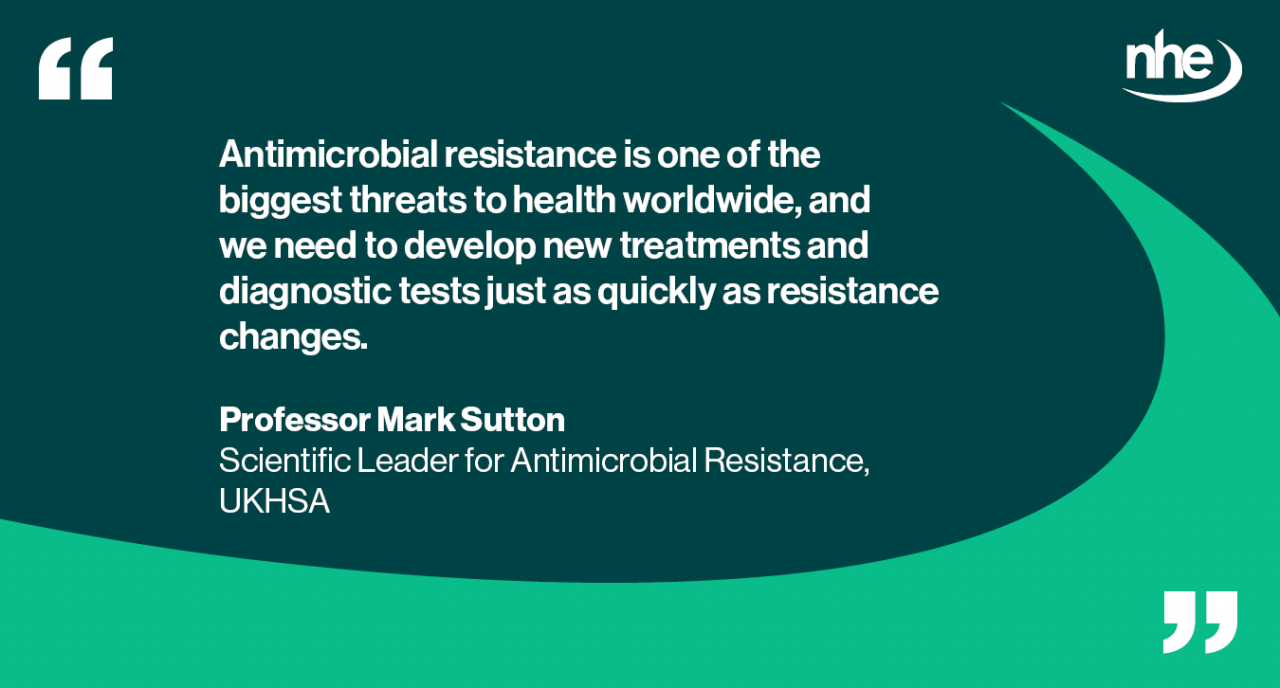
Professor Mark Sutton, Scientific Leader for Antimicrobial Resistance at UKHSA, said:
“Antimicrobial resistance is one of the biggest threats to health worldwide, and we need to develop new treatments and diagnostic tests just as quickly as resistance changes.
“Working with PACE, we’ve created a panel of 145 up-to-date bacteria, now available through our National Collection of Type Cultures. These give researchers a resource that reflects the infections we’re seeing in hospitals and clinics today, helping them develop better treatments and tests, more quickly.”
The new collections represent a significant step forward in strengthening the UK's antimicrobial resistance research infrastructure and could help accelerate the discovery of urgently needed therapies to combat one of healthcare's fastest-growing threats.
Image credit: iStock