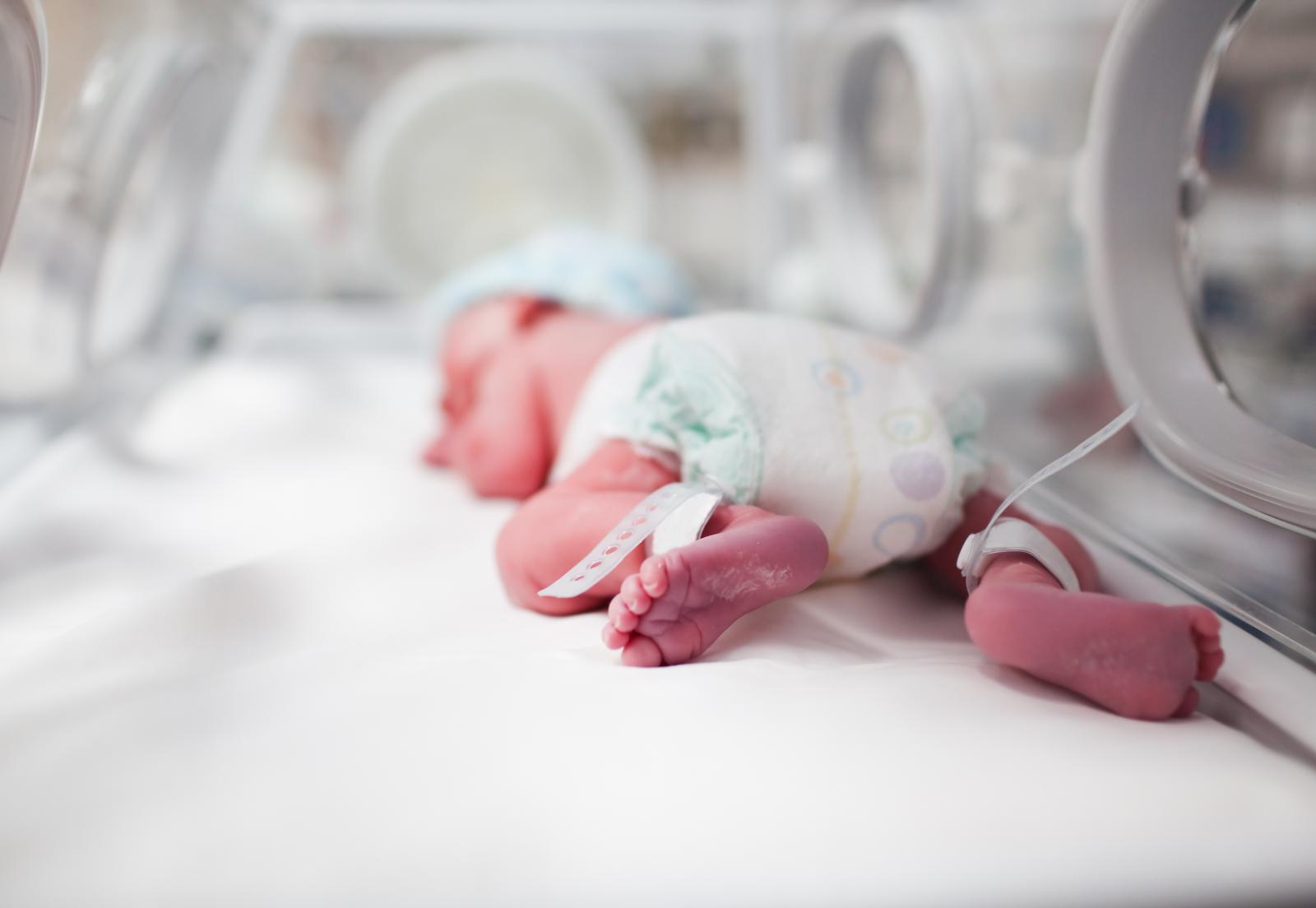

New figures published today by the UK Health Security Agency (UKHSA) show a dramatic reduction in the number of babies requiring intensive care treatment for respiratory syncytial virus (RSV), highlighting the success of the NHS maternal vaccination programme.
The latest annual RSV report reveals that admissions of babies under six months old to intensive care units (ICU) and high dependency units (HDU) fell by around 50% during the 2025-26 RSV season compared with the previous year.
Data gathered through the UKHSA's SARI Watch sentinel surveillance system, involving 20 NHS trusts across England, recorded 63 infants under six months admitted to ICU or HDU with confirmed RSV-related chest infections during winter 2025-26. This compares with 131 admissions in the same trusts during the 2024-25 season.
The findings provide the first clear evidence of the impact of the NHS RSV maternal vaccination programme, which was introduced in September 2024. Health officials had anticipated that the programme's full benefits would become visible during the 2025-26 season, as increasing numbers of pregnant women became eligible for vaccination throughout the previous year.
The maternal RSV vaccination programme is offered to women from 28 weeks of pregnancy onwards, helping transfer protective antibodies to babies before birth and safeguarding them during their most vulnerable early months.
According to the report, 61.7% of women who gave birth between March 2025 and February 2026 received the RSV vaccine.
Earlier research presented by UKHSA at the European Society of Clinical Microbiology and Infectious Diseases (ESCMID) conference showed that a single maternal RSV vaccine dose provides more than 80% protection against RSV-related hospital admissions in newborns.
As well as fewer intensive care admissions, the report found fewer infant bronchiolitis attendances at Accident and Emergency departments, with the seasonal peak proving both lower and shorter than in previous years.
Bronchiolitis, most commonly caused by RSV, is a viral infection that inflames the small airways in a baby's lungs. While most cases can be managed at home, severe infections often require hospital treatment and, in some cases, intensive care support.
The report also highlights that the 2025-26 RSV season started later than is typically seen. Cases began rising in early November and peaked during December 2025, between weeks 49 and 52.
Historically, more than 1,000 babies each week have attended NHS A&E departments with bronchiolitis throughout much of November and December. The latest findings suggest that vaccination efforts may be contributing to a reduction in both the number and severity of cases.
Although RSV infects around 90% of children before their second birthday, experts stress that vaccination can significantly reduce the risk of severe disease and hospitalisation.
Babies born during late summer and autumn continue to face the greatest risk of RSV-related hospital admission because they encounter the virus during their earliest months of life when immunity is lowest.
The report highlights positive outcomes from the older adult RSV vaccination programme.
By the end of May 2026, 65% of eligible older adults had received an RSV vaccine. Analysis from England suggests vaccination has delivered a sustained reduction of more than 40% in RSV-related hospitalisation rates among adults aged 75 to 80.
Other key findings include:
- RSV activity began in early November and peaked in late December before returning to low levels by March 2026.
- RSV circulation occurred later than in previous years.
- Overall RSV case numbers were lower as vaccination programmes became more established.
- 65% of eligible older adults had received the vaccine by the end of May 2026.
- RSV-related hospital admissions among vaccinated adults aged 75 to 80 fell by more than 40%.
Dr Conall Watson, Immunisation Consultant at the UK Health Security Agency, said:
“RSV causes a horrible chest infection – bronchiolitis – in babies, which can make it hard for them to breathe and feed. Some need life support in intensive care units while tens of thousands more need seen in A&E each year. No parent wants their new-born to go through this, when it is now preventable.
“Intensive care admissions have halved since the introduction of the maternal vaccine programme. A&E bronchiolitis attendances are also down. The RSV vaccine is highly effective and has an excellent safety profile in UK monitoring and internationally.
“You should be offered the vaccine by the NHS, but if you are past 28 weeks pregnancy and haven’t yet had it there is still time – it can help protect when given as little as ten days before birth, though longer is definitely better. Late summer and autumn babies are at highest risk from RSV so please contact your maternity service or GP practice to arrange your vaccination.
“The vaccine is recommended in every pregnancy to boosts the mother’s immune system to produce more antibodies against the virus. These then pass through the placenta to help protect the baby from the day they are born.”
Image credit: iStock