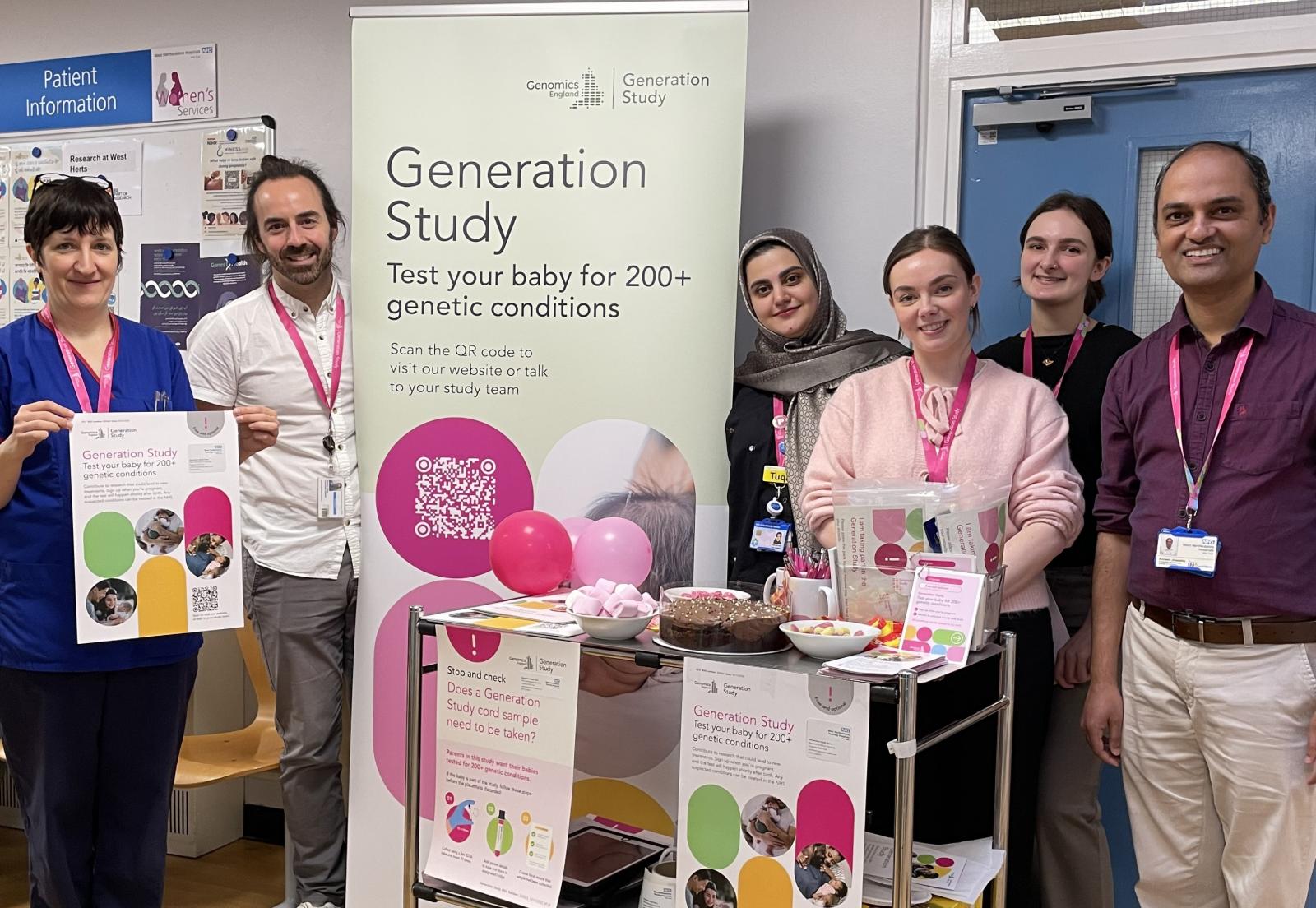

Newborn babies at West Hertfordshire Teaching Hospitals NHS Trust will now be screened for more than 200 rare genetic conditions, as the trust becomes part of a pioneering national study designed to improve early diagnosis and outcomes for infants.
The Generation Study — led by Genomics England in partnership with NHS England — is one of the most ambitious genomic screening projects in the world. Using a small blood sample, usually collected from the umbilical cord shortly after birth, the study offers whole genome sequencing to newborns with the aim of identifying serious yet treatable genetic conditions earlier than ever before.
To date, thousands of babies across England have already taken part, with the project working towards a target of sequencing 100,000 newborn genomes. Early detection means that families and clinicians can act quickly, initiating treatment or monitoring at the earliest, most effective point.
For expectant parents, participation offers the potential to gain crucial insights into their baby’s health. Joining the study may also contribute to long-term improvements in care for future generations of children living with rare genetic conditions.
Expectant parents are introduced to the study during pregnancy. Those interested receive a detailed conversation with a healthcare professional to help them make an informed decision. After birth, parents are asked to confirm consent before a sample is taken and sent to an external laboratory for sequencing. Once the results have been reviewed, parents are contacted directly.
If sequencing suggests that a baby may have a genetic condition, families are offered further NHS testing to confirm a diagnosis, alongside access to specialist support and treatment pathways.
Dr Avinash Jinadatha, Principal Investigator leading the Generation Study, said:
“This is one of the largest studies West Hertfordshire Teaching Hospitals NHS Trust has taken part in, so it’s incredibly exciting to be involved in such a landmark project.”
“It will play a vital role in improving outcomes for generations of children across our community. Early detection of treatable genetic conditions can make a real difference, helping children stay healthier and access the right care sooner.”
Rebekka Frick, Study Lead Research Midwife, said:
“We know that expecting a baby can be both an exciting time and one full of questions. The Generation Study gives parents the opportunity to benefit from earlier answers about their baby’s health than ever before. Our team is here to guide families through the process, answer questions, and support them every step of the way as they decide whether to take part.”
Image credit: West Hertfordshire Teaching Hospitals NHS Trust