
Thousands of people in England at higher risk of developing cancer due to inherited faulty genes will receive earlier checks and personalised care, following the launch of a world‑first national genetics programme by the NHS.
The new initiative – the NHS National Inherited Cancer Predisposition Register – will collect and track patient information linked to around 120 cancer susceptibility genes, helping to fast‑track people into screening, surveillance, preventative care and clinical trials.
Ahead of the government’s forthcoming National Cancer Plan, England’s National Clinical Director for Cancer described the register as part of “a new era of early cancer detection”, enabling thousands more people to access tailored information, testing and risk‑reducing interventions.
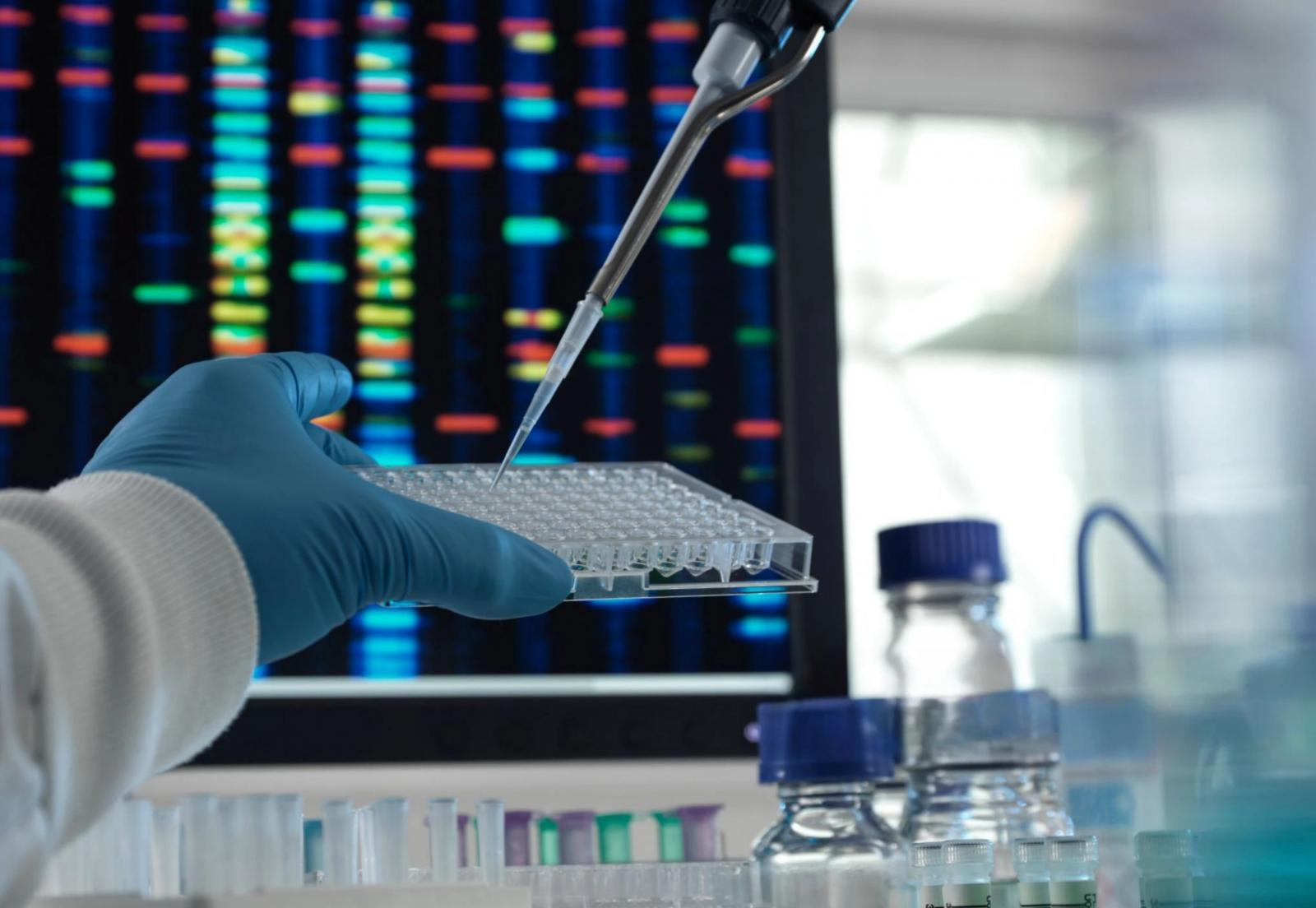
Genomic testing is already offered by the NHS to people with cancer and those with a family history of the disease, with tens of thousands accessing these services each year. The new register brings this information together for the first time in a single, national system.
People identified by the NHS as having an inherited risk of cancer will be added to the central register. Those with changes in certain genes will be automatically invited for screening and offered routine tests for specific cancers, including breast cancer.
The programme could soon help identify thousands of men aged 45 to 61 with known BRCA gene mutations who are at high risk of prostate cancer. These men could benefit from targeted screening, subject to a final recommendation from the UK National Screening Committee and approval by the Secretary of State.
The register will include:
- Patients diagnosed with cancer who are found to have inherited faulty genes
- Individuals identified with cancer‑predisposing gene variants who do not currently have cancer
Professor Dame Sue Hill, Senior Responsible Officer for Genomics in the NHS and Chief Scientific Officer for England, commented:
“Genomics is becoming an integral part of how we diagnose and treat cancer across the NHS.
“Through the NHS Genomic Medicine Service, genetic testing is already offered where it provides clear clinical benefit, and the 10 Year Health Plan sets out a clear ambition to embed genomics more routinely across care pathways. The National Cancer Plan will build on that work, strengthening how genomic testing is used across cancer treatment and individual patient journeys.
“By bringing inherited cancer risk information together in a single national programme, we can support more systematic follow-up, improve the targeting of screening and surveillance, and ensure genomic insights are used more effectively to support earlier diagnosis and better outcomes.”
Patients tested through the NHS Genomic Medicine Service and clinical genetics services will be informed of their results and provided with clear guidance on cancer risks, along with personalised advice on how to reduce their risk or detect cancer earlier, before being added to the register.
The new multi‑gene register builds on the success of the existing Lynch syndrome register, which has already helped thousands of people receive life‑saving preventative care.
Lynch syndrome increases the risk of cancers including bowel, endometrial and ovarian cancer. Evidence shows that screening prevents bowel cancer in 40–60 out of every 100 people with the condition. More than 12,000 people have already received additional bowel screening through the Lynch syndrome programme.
Regular colonoscopy screening can identify and remove precancerous polyps or detect cancer early, when treatment is most effective and often curative.
Expanding genomic testing and identifying people at inherited risk of cancer will be a central pillar of the upcoming National Cancer Plan, which aims to modernise cancer care and improve survival for future generations.
The register is managed by NHS England’s National Disease Registration Service, with further support coming from the NHS Genomics Population Health Service, set out in the NHS 10 Year Health Plan. Over the next decade, this will help expand genomic testing for high‑risk groups, ensuring more cancers are prevented or detected at the earliest possible stage.
The NHS says the programme represents a major step forward in personalised, preventative cancer care, helping to reduce avoidable illness, improve outcomes and save lives.
Image credit: iStock